
Geopolitical Flashpoint: Iran Threatens Blockade, Heightening Global Oil Price Volatility at Strait of Hormuz
The strategic Strait of Hormuz remains at the epicenter of geopolitical tension, as Iran’s armed forces have issued stark warnings regarding movement through the crucial international waterway. These escalating claims of control and the subsequent confrontations between regional powers are drawing international scrutiny regarding global trade security.The Islamic Revolution Guard Corps (IRGC) Navy warned that any "erroneous" move by the "enemy" in the Strait would result in "deadly consequences." The warnings, shared via social media platform X, emphasized that all movements in the strait fall under the complete control of the Iranian armed forces.
The IRGC further stated that any unauthorized maneuver could "trap the enemy in deadly whirlpools in the strait," setting a tone of extreme risk in the region's primary energy transit route.
Heightened Iranian Control Over the Strait of Hormuz
Iran’s high command reiterated its restrictive stance on external military presence. The IRGC issued a statement clarifying that any military vessel attempting to approach the Strait of Hormuz, regardless of the pretext or title, would be deemed a ceasefire violation and met with severe countermeasures.This assertive posture underscores the nation’s continued efforts to restrict access to the waterway, which is vital for global shipping.
Conflicting Narratives Over US Military Transit
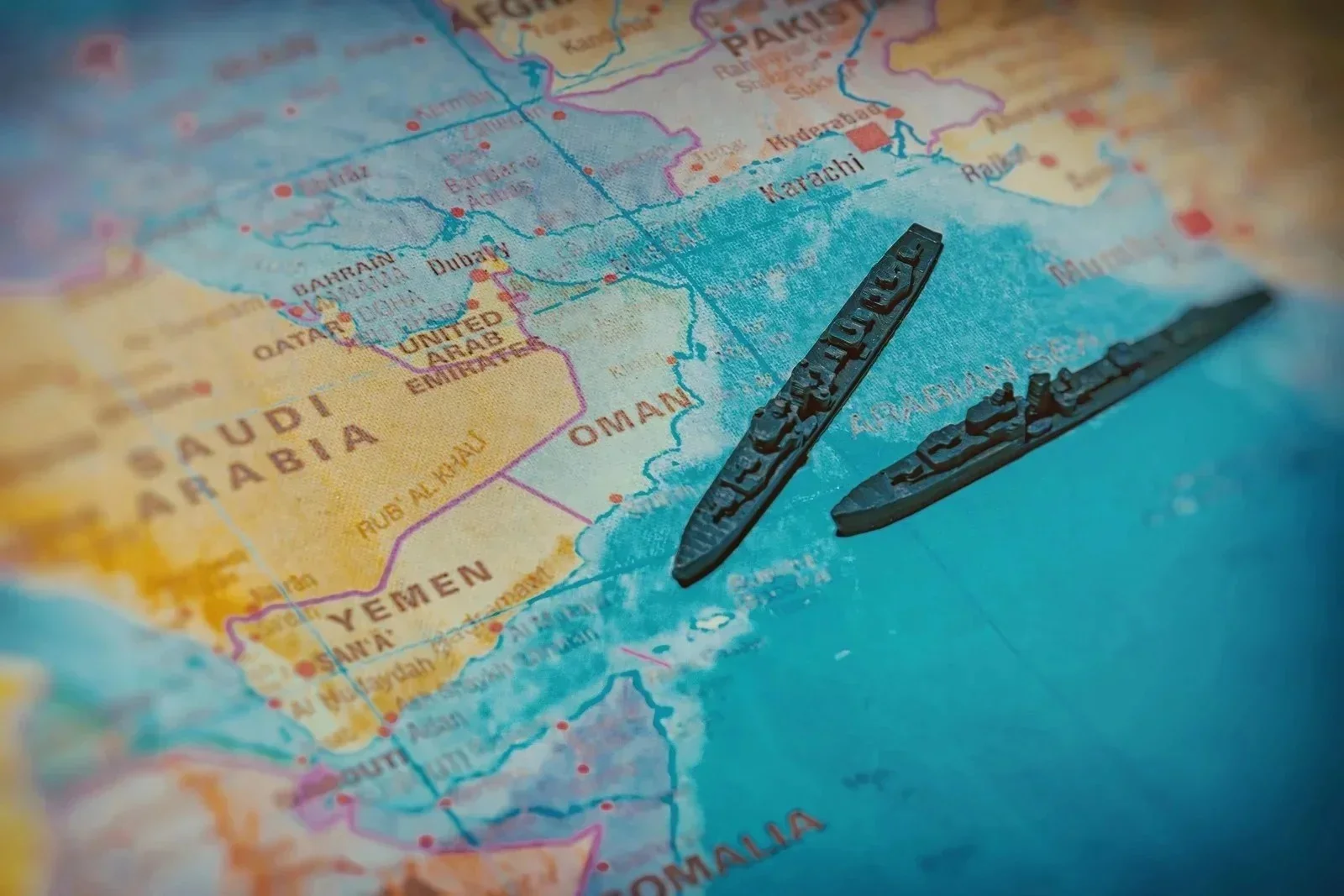
The latest round of tensions centers on conflicting reports regarding US naval activity. US Central Command (CENTCOM) stated that two US warships successfully transited the Strait of Hormuz and commenced mine-clearing operations in the Gulf.However, Iran’s main military command, Khatam al-Anbiya Central Headquarters, strongly rejected CENTCOM's account. Iran denied that any American vessels had actually entered the strait.
Iran's state-run Press TV amplified this counter-narrative, claiming that the US military's attempt to sail two destroyers through the Strait on Saturday was merely a "failed propaganda stunt." The report further asserted that the US destroyers, identified as USS Michael Murphy and USS Frank E. Peterson, were forced to retreat by Iranian naval forces.
Deepening Strategic Tensions and Economic Risks
The current warnings are set against a backdrop of sustained high-level conflict and diplomatic failure. Analysts point to the volatility generated by the repeated clashes over access to this vital global chokepoint.The tension resurfaced after past military incidents, including the joint attacks on Tehran and several Iranian cities launched by Israel and the United States on February 28. In response, Iran conducted missile and drone strikes and immediately tightened control over the Strait of Hormuz, restricting passage for vessels affiliated with the US and Israel.
These escalated tensions followed a period that included a two-week ceasefire between Iran and the United States, which eventually concluded with lengthy, unsuccessful talks between the two delegations in Islamabad.
Disclaimer: Due care and diligence have been taken in compiling and presenting news and market-related content. However, errors or omissions may arise despite such efforts.
The information provided is for general informational purposes only and does not constitute investment advice, a recommendation, or an offer to buy or sell any securities. Readers are advised to rely on their own assessment and judgment and consult appropriate financial advisers, if required, before taking any investment-related decisions.
Any views, opinions, or statements expressed, where applicable, are those of the respective analysts or experts and do not reflect the views of this website. The website has no association with such viewpoints and does not assume any responsibility for them.