
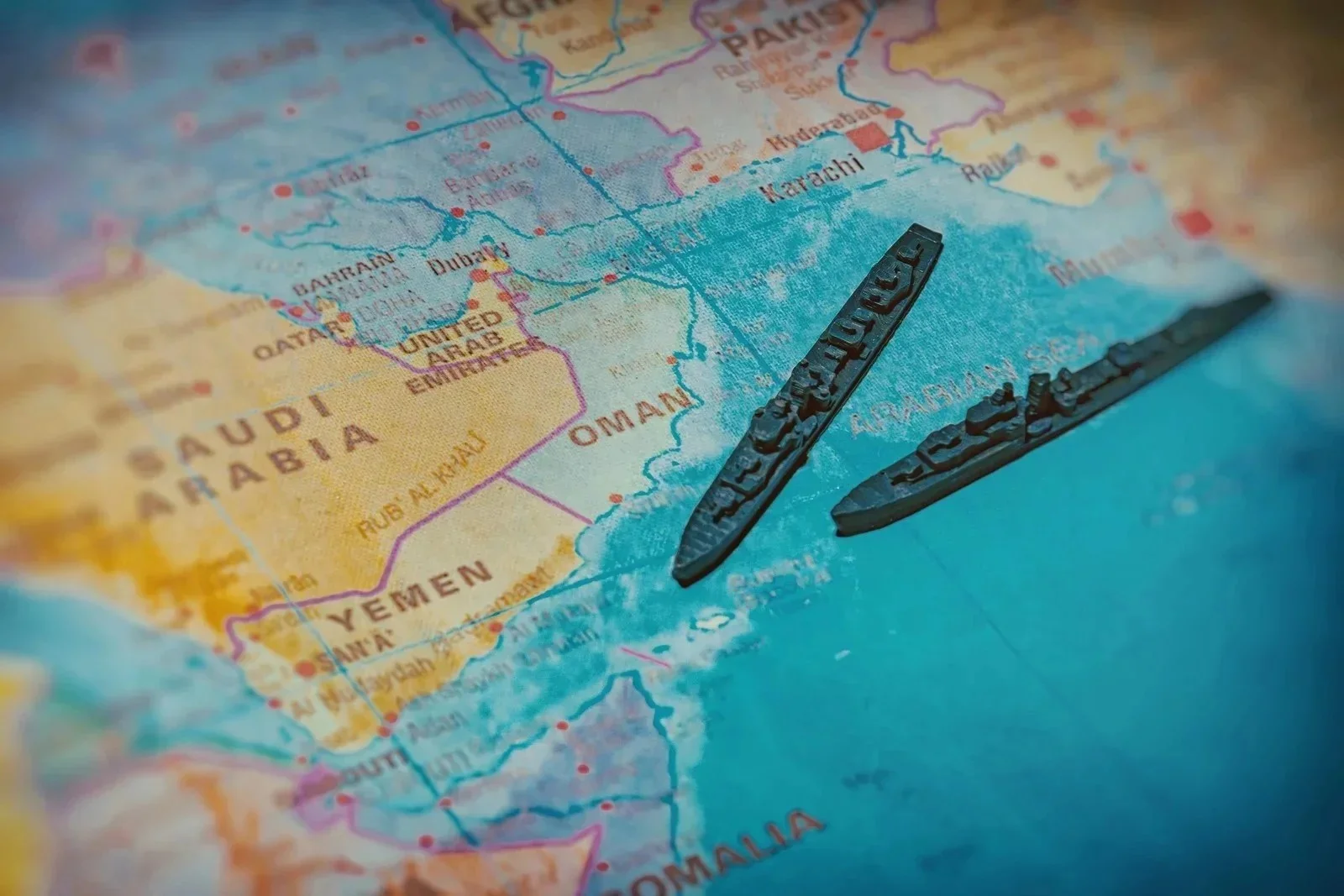
US Slams Maritime Blockade on Iran After Nuclear Talks Fail: Global Shipping Faces Unprecedented Crisis
US Mandates Sweeping Blockade on All Iranian Maritime Traffic
The United States is set to enforce a sweeping maritime blockade targeting all vessels entering or exiting Iranian ports. This escalating move follows the failure of high-stakes negotiations between Washington and Tehran. The blockade, announced by US Central Command (CENTCOM), will affect all maritime traffic, including routes through the Arabian Gulf and the Gulf of Oman.The directive signals a significant hardening of US policy toward Iran. CENTCOM confirmed that the action will be enforced impartially against vessels from all nations. Notably, US forces have assured that passage through the Strait of Hormuz will not be impeded for ships traveling to and from non-Iranian ports. The blockade is scheduled to commence at 7:30 pm IST on Monday, according to the CENTCOM release.
Political Fallout from Stalled Nuclear Negotiations
The announcement emerged hours after US President Donald Trump declared that talks with Iran had reached an impasse. The primary sticking point, he stated, remained Iran's nuclear ambitions. Trump observed that while most points were agreed upon, the issue of the nuclear program proved insurmountable.This failure prompted the declaration that the US Navy would begin "the process of BLOCKADING any and all Ships trying to enter, or leave" the Strait of Hormuz. President Trump further accused Iran of attempting "WORLD EXTORTION." He specifically cited the leveraging of threats involving naval mines within the strait, which constitutes a critical global energy corridor.
Iran's Strong Rebuttal Challenges US Actions
Iran has responded robustly, arguing that the blockade undermines negotiations that were nearly complete. Iranian Foreign Minister Seyed Abbas Araghchi asserted that Tehran had engaged "in good faith to end war." He maintained that the dialogue was just "inches away" from an agreement before encountering "maximalism, shifting goalposts, and blockade."Araghchi’s statement encapsulated a diplomatic warning: "Good will begets good will. Enmity begets enmity." This contrasting narrative frames the US action as a deliberate derailment of peace efforts.
International Analysts Point to Mining Dispute as Core Conflict
Analysts suggest the core of the escalating dispute revolves around Iran’s use of uncertainty regarding naval mines. This tactic, analysts argue, is being used to exert pressure on global shipping movements through the Strait of Hormuz.The Institute for the Study of War highlighted that Iran had declared a "hazardous area" covering key shipping lanes. This forced vessels into Iranian territorial waters, where they were allegedly subjected to "protection fees." The group strongly condemned this practice, stating it is "illegal under maritime law," as no state bordering a strait can legally restrict passage or levy fees under international conventions.
Impact of Tension on Global Shipping and Energy Markets
Even without direct hostilities, the looming threat of mines has significantly influenced global commodity pricing. Analysts noted that the mere threat of mines has already driven up oil prices and increased shipping insurance costs.In response to this strategy, US naval forces have already initiated countermeasures. Destroyers, including USS Frank E. Peterson and USS Michael Murphy, have been seen transiting the strait. These operations are aimed at demonstrating safe passage and commencing mine-clearing efforts. CENTCOM commander Admiral Brad Cooper indicated that safe routes would be shared with civilian shipping "as soon as possible."
Disclaimer: Due care and diligence have been taken in compiling and presenting news and market-related content. However, errors or omissions may arise despite such efforts.
The information provided is for general informational purposes only and does not constitute investment advice, a recommendation, or an offer to buy or sell any securities. Readers are advised to rely on their own assessment and judgment and consult appropriate financial advisers, if required, before taking any investment-related decisions.
Any views, opinions, or statements expressed, where applicable, are those of the respective analysts or experts and do not reflect the views of this website. The website has no association with such viewpoints and does not assume any responsibility for them.