
US-Iran Peace Talks Collapse: Strait of Hormuz Stability in Jeopardy Amid Negotiations Stalemate
The high-stakes, 21-hour peace talks between the US and Iran in Islamabad have concluded without a deal, casting immediate doubt over the viability of the existing two-week ceasefire. Both nations are attributing the failure to the other side, leaving profound uncertainty over the future of global energy routes.Key Flashpoints Derailing US-Iran Peace Negotiations
Discussions collapsed after an inability to bridge critical gaps concerning Iran’s nuclear program, control over the vital Strait of Hormuz, and the release of frozen Iranian assets.US Vice President JD Vance stated that the US presented its "final and best offer" but this was not accepted by the Iranian side. This deadlock suggests fundamental disagreements persist despite intensive diplomatic efforts.
Iran’s official statement highlighted that the US side introduced what it deemed "excessive" and "illegal demands," setting a tone of mutual accusation.
US Stance: Nuclear Concerns and Final Offer Emphasis
Vice President Vance emphasized that a core requirement remains an "affirmative commitment" from Iran not to seek a nuclear weapon or its enabling tools. He clarified that the US President Donald Trump’s "core goal" is precisely to halt Iran from acquiring nuclear capabilities.Vance maintained that the American delegation attempted to reach a mutual understanding. Despite the talks' failure, he noted the substantive discussions held over the 21-hour period represented a positive development.
Meanwhile, US President Donald Trump, speaking via social media, squarely placed the blame on Iran, asserting that the negotiations failed because "Iran is unwilling to give up its nuclear ambitions."
Iran's Counter-Narrative: Sovereignty and International Trust
Iran’s negotiating team head, Mohammad Bagher Ghalibaf, questioned the US capacity to "earn our trust or not." He suggested that the process must acknowledge Iranian sovereignty and efforts to consolidate national defense achievements.The Iranian foreign ministry indicated that the success of any "diplomatic process depends on the seriousness and goodwill of the other side." Furthermore, spokesman Esmaeil Baqaei pointed to issues like the transit through the Strait of Hormuz as creating significant hurdles.
Global Energy Market Implications and Military Posturing
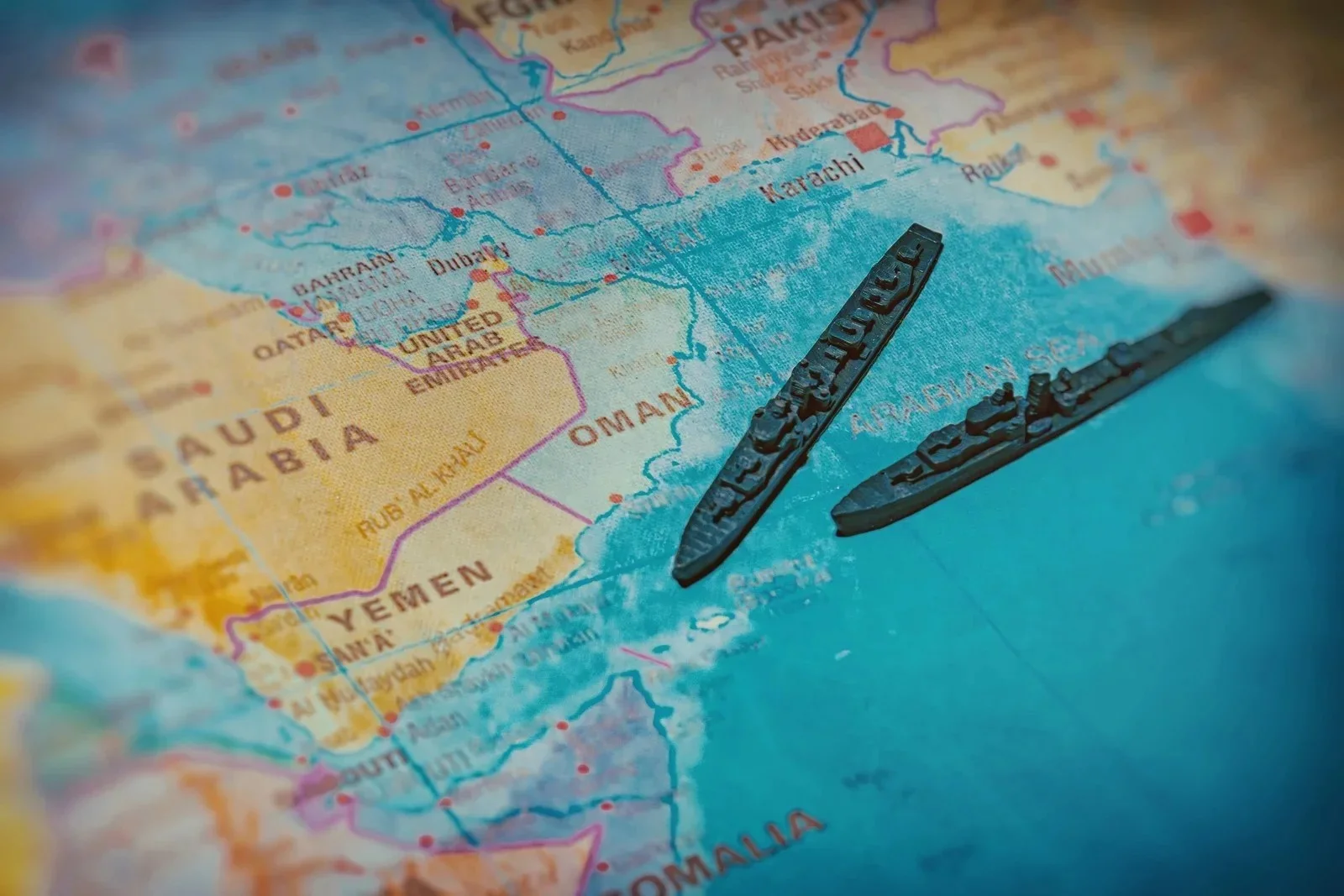
The failure to secure a diplomatic understanding dims prospects for reopening the Strait of Hormuz, a route crucial for stabilizing global energy markets. The Strait handles approximately 20 per cent of global oil and LNG.In a pointed move, Trump announced that the US Navy will actively interdict any vessel in international waters found to have paid tolls to Iran for transiting this critical shipping route.
The collapse also leaves unclear whether the US intends to resume military operations against Iran, increasing geopolitical tension across the region.
Broader Context and Pakistan’s Mediation Role
The Pakistan-brokered negotiations marked the first direct, high-level engagement between the two nations since the 1979 Islamic Revolution. The diplomatic push began following an appeal from Pakistan Prime Minister Shehbaz Sharif.Pakistan Deputy Prime Minister Ishaq Dar affirmed that Islamabad will continue to facilitate dialogue between the Islamic Republic of Iran and the US. He extended gratitude to both sides for accepting the initial ceasefire proposal.
Iran had previously submitted a detailed 10-point plan, including demands for US withdrawal from West Asia and lifting of sanctions. The conflict flared after US and Israel launched attacks on Iran on February 28.
Disclaimer: Due care and diligence have been taken in compiling and presenting news and market-related content. However, errors or omissions may arise despite such efforts.
The information provided is for general informational purposes only and does not constitute investment advice, a recommendation, or an offer to buy or sell any securities. Readers are advised to rely on their own assessment and judgment and consult appropriate financial advisers, if required, before taking any investment-related decisions.
Any views, opinions, or statements expressed, where applicable, are those of the respective analysts or experts and do not reflect the views of this website. The website has no association with such viewpoints and does not assume any responsibility for them.