
Consultancy Outlook Points to Strong Services and Manufacturing Performance
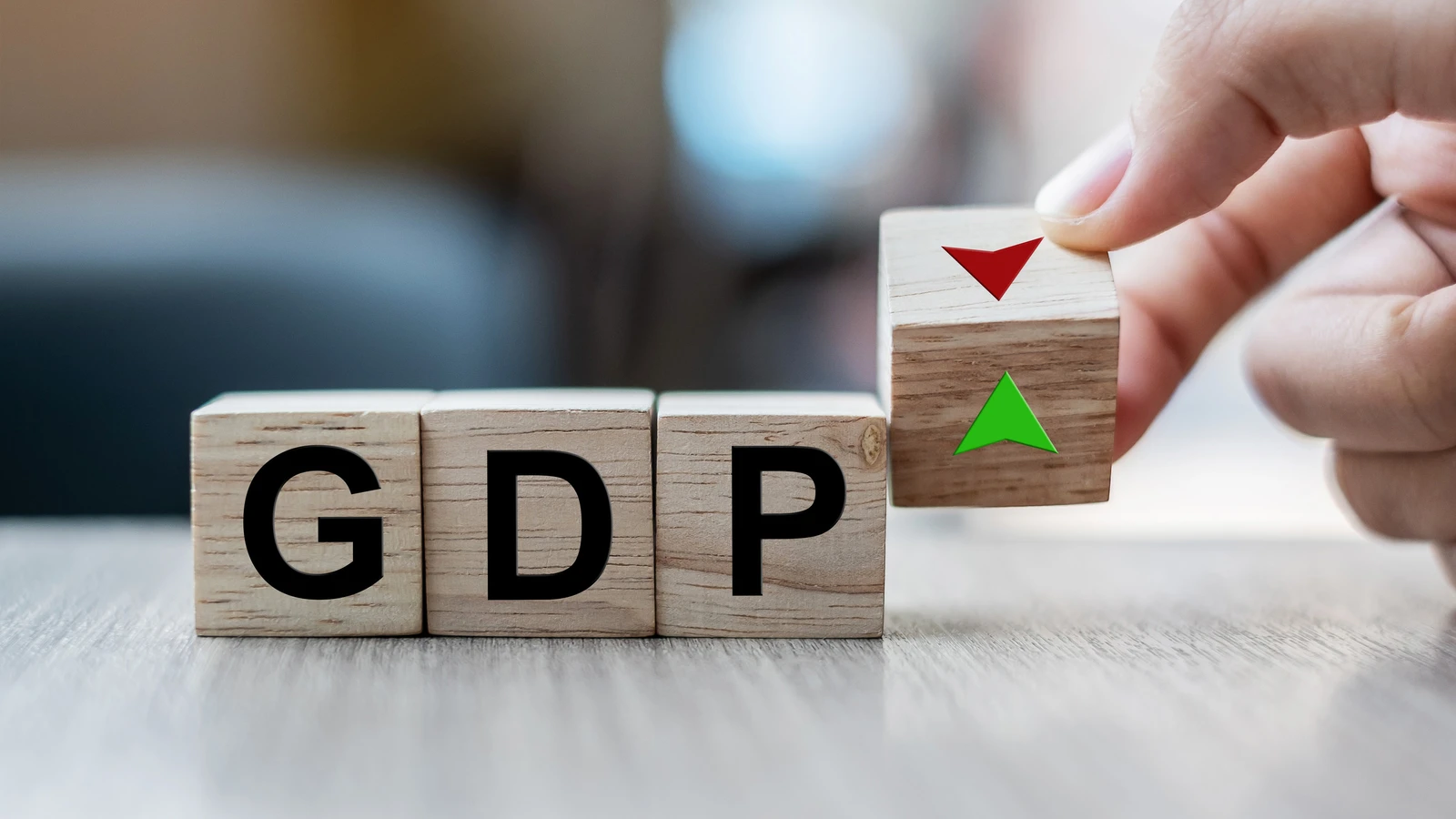
The Indian economy is expected to record a growth rate of 7.3 to 7.5 per cent in the financial year ending March 2026, with growth likely to ease to around 7 per cent in 2026-27, according to an outlook shared by Grant Thornton Bharat.The projection aligns closely with the First Advance Estimates released by the National Statistics Office, which peg India’s growth at 7.4 per cent in 2025-26. This marks a notable improvement over the 6.5 per cent expansion recorded in the previous financial year, supported by sustained momentum in the services and manufacturing sectors.
Exports Remain Resilient Amid Global Headwinds
Despite external pressures, including tariff-related challenges in key markets, exports are holding up and continuing to support overall economic activity. The outlook, however, highlights external developments as a key area of risk, particularly ongoing geopolitical issues that could disrupt global supply chains.Concerns linked to developments in South America and the Middle East have been identified as potential stress points for international trade and logistics, which may influence near-term economic conditions.
Industrialisation and Policy Direction in Focus
The assessment underscores the importance of positioning India within the evolving global industrial landscape, as advanced economies increasingly move toward re-industrialisation. Policy measures taken today are expected to reveal their full impact only over the medium to long term, reinforcing the need for a clear strategic direction.Union Budget Expected to Emphasise Ease of Doing Business
The forthcoming Union Budget is seen as a directional document that reflects the government’s long-term priorities. Improving the ease of doing business is expected to remain a central theme, aimed at strengthening India’s investment climate and sustaining growth momentum.Rupee Stability and Interest Rate Outlook
On the currency front, the rupee is expected to stabilise around the current level of 90 against the US dollar. A relatively weaker currency is viewed as manageable for the economy, particularly given India’s import dependence on critical goods.In terms of monetary policy, there is scope for a further reduction in interest rates, supported by inflation remaining around or below the lower end of the tolerance band. The Reserve Bank has already reduced the repo rate by 125 basis points since February last year, bringing it down to 5.25 per cent.
The rate-setting panel of the Reserve Bank of India, the Monetary Policy Committee, is scheduled to meet from February 4 to 6, with policy decisions keenly watched by markets and businesses alike.
Disclaimer: Due care and diligence have been taken in compiling and presenting news and market-related content. However, errors or omissions may arise despite such efforts.
The information provided is for general informational purposes only and does not constitute investment advice, a recommendation, or an offer to buy or sell any securities. Readers are advised to rely on their own assessment and judgment and consult appropriate financial advisers, if required, before taking any investment-related decisions.
Any views, opinions, or statements expressed, where applicable, are those of the respective analysts or experts and do not reflect the views of this website. The website has no association with such viewpoints and does not assume any responsibility for them.