
US-Iran Talks: Goodwill Boosts Diplomatic Edge as Washington Eyes Strategic Breakthrough
Diplomatic Talks Build Goodwill, Setting Stage for Key US-Iran Negotiations
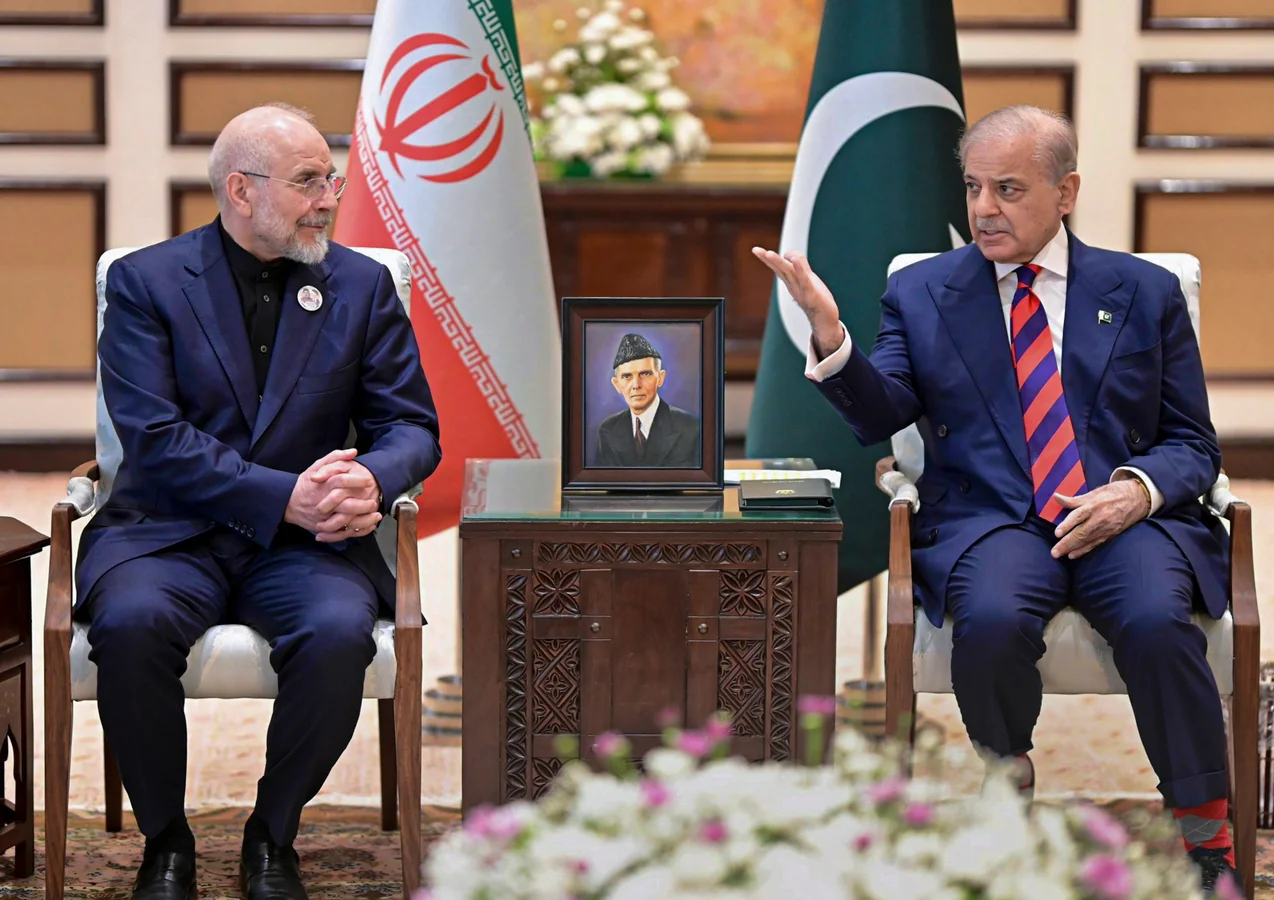
Recent diplomatic discussions between US Vice President JD Vance and Iranian leadership in Islamabad appear to have achieved a significant milestone. While the ultimate goal of a lasting peace remains complex, media reports suggest that the 21-hour-long talks successfully established substantial goodwill between Washington and Tehran's new leadership.The Washington Post, citing unnamed US officials, reported that the rapport built during these discussions has strengthened Washington's belief that Iran may reconsider its terms regarding ending the conflict.
The talks highlighted a professional breakthrough, with one knowledgeable US official noting that Vance was keenly aware of the inherent mistrust and risk of misunderstanding between the two nations. He added that Vance and the US negotiators demonstrated an increasing warmth and developed positive rapport throughout the process.
The Central Hurdle: Iran's Nuclear Ambition vs. US Demands
The core tension in the negotiations revolves around Iran's nuclear capability. The Trump administration has consistently maintained that any comprehensive deal must center on prohibiting Iran from ever obtaining a nuclear weapon.The US team became clear early in the discussions that the far-reaching nature of this requirement was not fully appreciated by the Iranian side. For decades, Iran has insisted it harbors no intention of building a nuclear weapon.
However, the administration, supported by figures like Israeli Prime Minister Benjamin Netanyahu, maintains that this pledge cannot be taken at face value. Washington insists that Iran must entirely surrender its nuclear enrichment capability, a resource which can also be utilized for peaceful civilian purposes.
US Strategy Shifts to Leverage Understanding of Iranian Weaknesses
Despite the clear US stance, the talks revealed that Iran has historically refused to relinquish this capability, seemingly hoping the US would settle for less stringent demands. Vance actively worked throughout the discussions to correct this misunderstanding regarding the necessity of full surrender.The US official also provided insight into Iran's perceived leverage, stating that Iran believes it holds more influence than US officials believe is justified by current ground realities.
Trump himself shared an assessment of the talks, noting that while the negotiation was intense, it concluded on a very friendly note. He confirmed that the US secured almost every desired point, save for Iran's refusal to give up its nuclear ambition.
Armed with a better understanding of Iran's vulnerabilities and perceived leverage, the Trump administration reportedly intends to strategically test these weaknesses in the immediate aftermath of the talks.
Disclaimer: Due care and diligence have been taken in compiling and presenting news and market-related content. However, errors or omissions may arise despite such efforts.
The information provided is for general informational purposes only and does not constitute investment advice, a recommendation, or an offer to buy or sell any securities. Readers are advised to rely on their own assessment and judgment and consult appropriate financial advisers, if required, before taking any investment-related decisions.
Any views, opinions, or statements expressed, where applicable, are those of the respective analysts or experts and do not reflect the views of this website. The website has no association with such viewpoints and does not assume any responsibility for them.