
US Shifts Strategy: Why Nikki Haley Vows Blockade After Iran Talks Fail
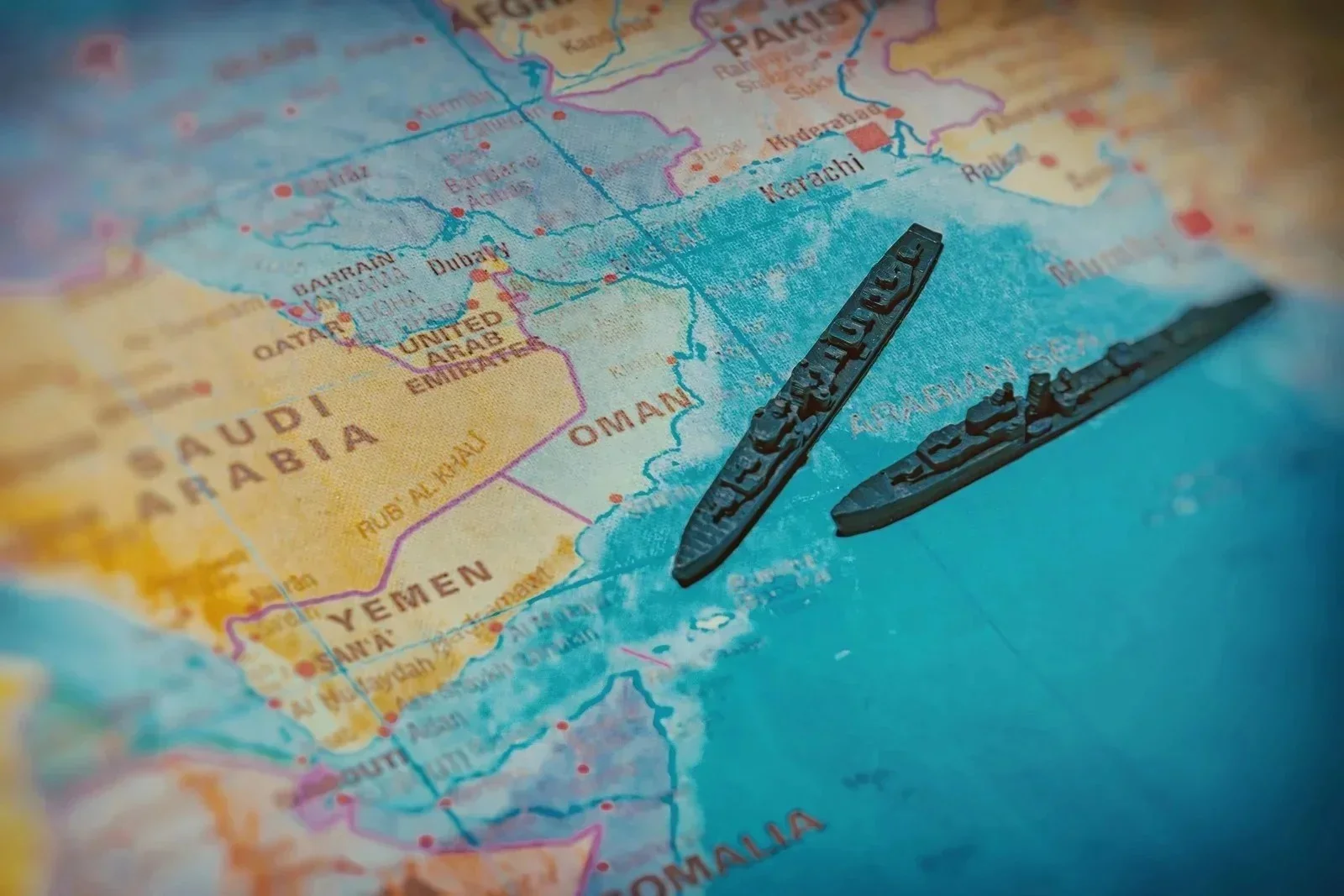
The geopolitical landscape involving the Middle East took center stage following recent statements by Nikki Haley. She asserted that the United States was correct to walk away from direct negotiations with Iran, advocating for a stringent economic and blockade strategy. Haley warned that Tehran was attempting to leverage its position in the strategic Strait of Hormuz to "hold the global economy hostage."Negotiations between Washington and Tehran had stalled, with Haley noting that both sides entered discussions far apart. She stated, "The US had a 15 point plan. Iran had a 10 point plan. They really were miles apart." Furthermore, she emphasized that the Iranian side was reportedly unwilling to relinquish control over the strategic waterway or abandon its nuclear production goals.
Failure of Iran Talks Fuels Calls for Hardline Stance
Support for a decisive pivot away from diplomacy was strongly voiced, echoing Vice President J D Vance's decision to end the talks. Haley affirmed that the conversation was no longer worth the effort, stating, "We're not gonna continue talks. This isn't worth our time." She argued that the Trump administration was now advancing with greater decisiveness, intending to pressure Iran where it is most vulnerable.Haley framed the impending blockade not just as a punitive measure, but as a calculated economic strategy designed to weaken the country comprehensively. She stressed that maintaining an open Strait of Hormuz remains absolutely critical for sustaining global trade and commerce.
Disrupting Global Trade Via the Strait of Hormuz
The global economic stakes associated with the waterway are immense, according to Haley. She highlighted that the Strait is crucial for passing "20 per cent of oil" and "20 per cent of liquified natural gas," in addition to carrying "a third of the fertilizer."She pointed to visible signs of disruption already occurring within the passage. Typically, 135 ships transit the strait daily, but she reported that the current passage rate is much lower, noting a "backlog of 400 ships."
Targeting Iran's Nuclear Program and Military Capabilities
Haley emphasized that the goal of any action is not to create a protracted conflict, but rather to achieve results quickly. She stated, "We don't want an endless war. This needs to be completed fast."Regarding Iran's nuclear ambitions, Haley maintained that any comprehensive campaign would be incomplete unless enriched uranium was completely removed. She cited President Trump's stated desire to prevent Iran from acquiring a nuclear weapon, a goal she added was supported by Gulf allies. Given these concerns, she suggested that a targeted military operation might be necessary, estimating such an action could take between one week and 10 days.
Geopolitical Blowback and Domestic Concerns
The rhetoric extended beyond bilateral relations, with Haley accusing China and Russia of assisting Iran's military development. She noted that China had supplied "hundreds of ballistic missiles," and warned that Beijing could potentially provide additional air defense systems soon.These concerns led her to question the advisability of a planned summit between President Trump and Chinese President Xi Jinping. She argued that the US needed a tougher stance unless China immediately halts its support for Iran. Despite previous criticisms of the administration, Haley praised Trump for dealing with adversaries in a strong manner.
Finally, the discussion touched upon domestic US matters, with Haley flagging the national debt and the state of the economy. She identified rising debt, which nears $40 trillion, and the pressure on entitlement programs as the "biggest issue" facing the country at home.
Disclaimer: Due care and diligence have been taken in compiling and presenting news and market-related content. However, errors or omissions may arise despite such efforts.
The information provided is for general informational purposes only and does not constitute investment advice, a recommendation, or an offer to buy or sell any securities. Readers are advised to rely on their own assessment and judgment and consult appropriate financial advisers, if required, before taking any investment-related decisions.
Any views, opinions, or statements expressed, where applicable, are those of the respective analysts or experts and do not reflect the views of this website. The website has no association with such viewpoints and does not assume any responsibility for them.