
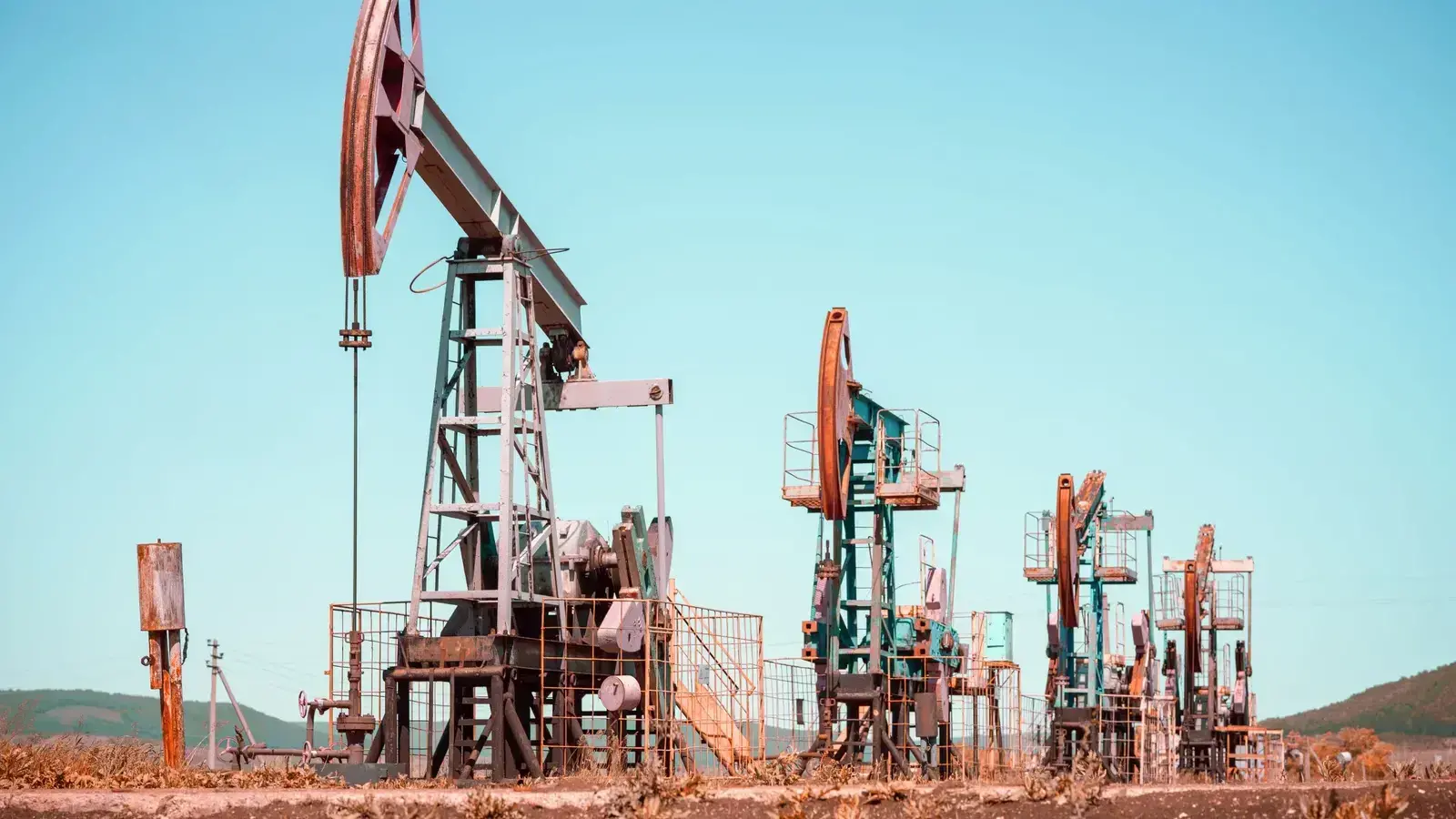
Oil prices saw a significant dip as signs emerged that negotiations between the United States and Iran are set to revive. The downward pressure on crude rates comes amid discussions over lifting the blockade on key global shipping lanes.
Brent crude edged lower to around $97 a barrel, while West Texas Intermediate was reported near $95. This decline reflects market sentiment that geopolitical tensions may be easing.
Geopolitical Discussions Drive Crude Fall
The primary catalyst for the oil price cooling centers on diplomatic efforts. Sources close to Tehran indicate that Iran is considering a short-term pause in its shipments through the critical Strait of Hormuz. This potential pause aims to avoid provoking a confrontation with the US blockade while supporting fresh peace talks.The two nations are reportedly discussing another round of face-to-face negotiations aimed at establishing a long-term ceasefire. These discussions are strategically timed before the expiration of a two-week pause in hostilities that was initially announced on April 7.
The initial US blockade of vessels heading to or from Iran's Persian Gulf ports heightened market tension. However, reports indicate that Saudi Arabia is actively urging the US to drop the blockade and recommence the negotiation process.
Market Reaction and Expert Warnings on Demand
Despite the positive news regarding talks, experts remain cautious. The International Energy Agency (IEA) cautioned that the ongoing conflict could wipe out expected oil demand growth this year, marking the first annual decline since the pandemic.The lack of clarity remains a factor; even a US-sanctioned tanker linked to China appeared to U-turn after passing through the strait, suggesting continued high stakes.
Market participants are keenly watching diplomatic moves. Vice President JD Vance, who participated in unsuccessful talks with Iran last weekend, noted that the blockade imposed on Tehran’s oil had increased US leverage for negotiations, suggesting that objectives could be reached to "wind this thing down."
Global Outlook for Energy Markets
The market appears to be betting heavily on a de-escalation narrative. Analysts suggest that market participants are buying into the view that the conflict is moving toward a resolution, despite pockets of remaining uncertainty.Beyond crude oil, energy costs remain high across major economies. Retail prices for gasoline and diesel in the US hit record highs earlier this month. Meanwhile, jet fuel and diesel prices in Europe have soared, reaching all-time or near-record levels above $200 a barrel.
The movement in crude prices confirms that the global oil market is intensely sensitive to shifts in geopolitical stability, weighing the potential gains from resumed dialogue against the structural risks highlighted by energy watchdogs.
Disclaimer: Due care and diligence have been taken in compiling and presenting news and market-related content. However, errors or omissions may arise despite such efforts.
The information provided is for general informational purposes only and does not constitute investment advice, a recommendation, or an offer to buy or sell any securities. Readers are advised to rely on their own assessment and judgment and consult appropriate financial advisers, if required, before taking any investment-related decisions.
Any views, opinions, or statements expressed, where applicable, are those of the respective analysts or experts and do not reflect the views of this website. The website has no association with such viewpoints and does not assume any responsibility for them.