
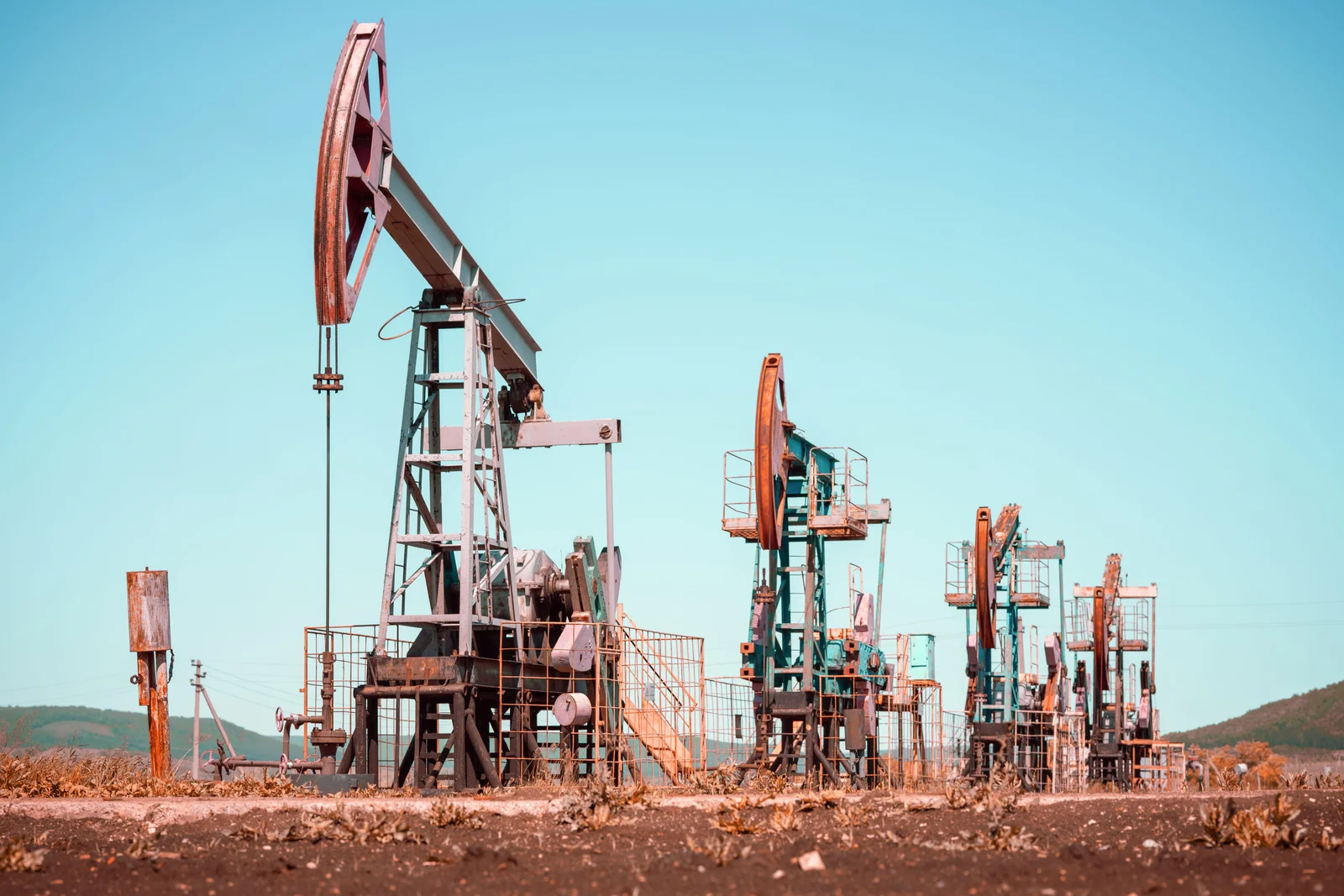
Crude Oil Plummets as Mideast Dialogue Boosts Bearish Sentiment
Crude oil prices saw significant declines today, dropping below the critical $100 per barrel mark. Brent crude futures declined nearly 2% to trade at $97.52 per barrel. Meanwhile, WTI Crude futures also dropped more than 2%, falling to $97.08 per barrel, as seen at 7.20 am IST.This decline follows heightened optimism regarding potential de-escalation between Iran and the United States. The market reacted to indications that dialogue could resume, triggering hopes for a localized peace agreement.
Geopolitical Tensions Drive Price Volatility
The potential for dialogue remains a key driver of the energy market. US officials reported "forward motion" on reaching an agreement between the two nations.US President Donald Trump confirmed receiving a call from Iran, noting that Iran is keen to negotiate following the imposition of a naval blockade on Iranian ports. Trump stated that Iran is "eager to make a deal very badly."
However, he reiterated that the fundamental obstacle remains Iran's nuclear ambitions, maintaining his assertion that "Iran will not have a nuclear weapon."
Market Recovers From Failed Peace Talks
The current market activity is a stark contrast to previous volatility. Earlier this month, oil prices had dropped below $100 after reports suggested that Pakistan had brokered peace talks between the two nations.The situation reversed sharply when those talks collapsed over the weekend. Following the failure to reach a deal, oil prices spiked, with Brent crude surging well above the $100 per barrel threshold on Monday.
Trump addressed the failed talks, stating, "We agreed to a lot of things, but they didn't agree to that, and I think they will agree to it. I'm almost sure of it."
Expert Viewpoints Outline Global Energy Risks
Despite the momentary dip, senior analysts caution that the market remains prone to swings. HSBC Holdings Chair Brendan Nelson emphasized that a Middle East peace deal is crucial for the substantial resumption of global energy flows.Nelson warned that prolonged disruptions create a major risk of oil-driven inflation, which will eventually depress global growth.
ANZ analysts highlighted the massive theoretical supply constraint, estimating that about 10 million barrels per day of crude supply have been effectively removed from the market. They added that a sustained U.S. blockade could curb an additional 3 million to 4 million barrels per day.
Future Price Targets and Recovery Outlook
Brokerage firm Macquarie provided a nuanced view of potential price stability and future spikes. The firm noted that even if tensions ease, oil prices are likely to stay supported in the $85 to $90 range.Macquarie also projected a gradual move towards $110 as the flow of crude through the Strait of Hormuz normalizes. The report added that if disruptions are maintained throughout April, Brent crude could still rise to $150 per barrel.
Disclaimer: Due care and diligence have been taken in compiling and presenting news and market-related content. However, errors or omissions may arise despite such efforts.
The information provided is for general informational purposes only and does not constitute investment advice, a recommendation, or an offer to buy or sell any securities. Readers are advised to rely on their own assessment and judgment and consult appropriate financial advisers, if required, before taking any investment-related decisions.
Any views, opinions, or statements expressed, where applicable, are those of the respective analysts or experts and do not reflect the views of this website. The website has no association with such viewpoints and does not assume any responsibility for them.