
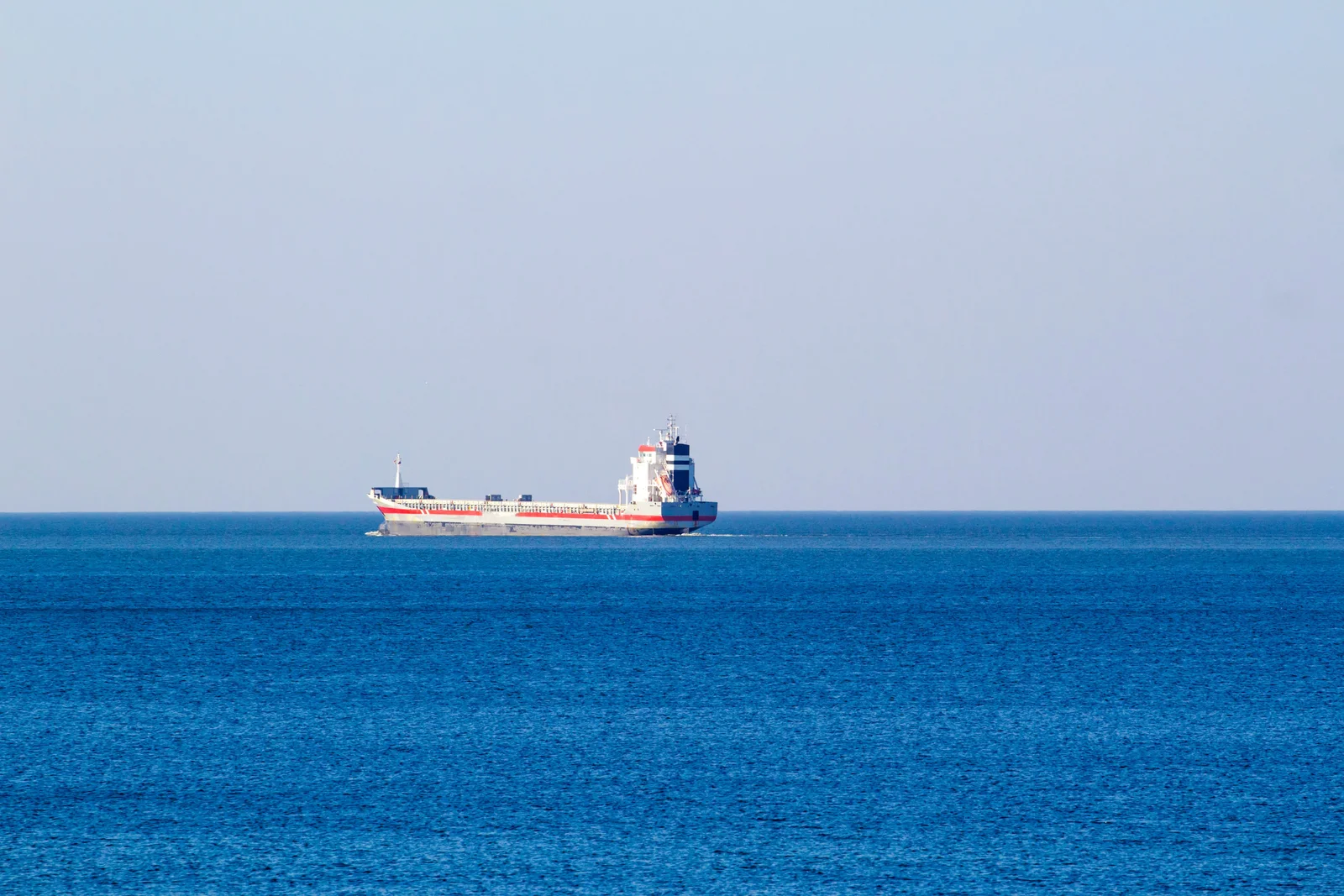
Two supertankers carrying Iranian crude oil have anchored near Indian ports, signaling a significant potential shift in global energy trade. This arrival marks the first such cargoes to be seen in the country in nearly seven years, coming amidst heightened geopolitical tension. The development challenges previous US sanctions efforts aimed at limiting Tehran's export capacity.
Geopolitical Context: Bypassing US Sanctions Regime
India has refrained from receiving Iranian oil since 2019, primarily due to international US sanctions. However, a recent US waiver was issued that allowed for purchases of crude oil already loaded onto tankers, attempting to mitigate the impact of global instability.The world's third-largest crude importer has been actively seeking diverse sources to navigate prevailing energy market crises. These recent transactions allow India to purchase cargoes from Iran, among other countries.
Adding complexity to the situation is the uncertainty surrounding US President Donald Trump's announced plan. This effort to blockade vessels in the Strait of Hormuz is intended to restrict Iranian shipments following the breakdown of peace talks.
Two Supertankers Arrive at Indian Ports
Tracking data confirms the arrival of two vessels loaded with Iranian crude. The first is the Felicity, which dropped anchor off Sikka in western India late Sunday.The Felicity is a very-large crude carrier owned by the National Iranian Tanker Company. It is currently laden with 2 million barrels of Iranian crude, which it lifted from Kharg Island in mid-March.
A second vessel, the Jaya, was reported near Paradip on India's east coast on Sunday. This tanker had loaded 2 million barrels of crude from Kharg Island in late February, a period before heightened tensions between the US and Israel began targeting Iran.
Market Dynamics and Indian Buyers
The involvement of major state-owned refiners suggests strategic purchases. India’s state-owned refiner, Indian Oil Corp., has reportedly purchased a cargo of Iranian oil, though the vessel responsible was not named.The buyers of these two specific shipments remain unclear. Nevertheless, both state refiners and private industry players are positioned in the regions of arrival. Indian Oil Corp. utilizes Paradip for its crude deliveries, while Reliance Industries Ltd. and Bharat Petroleum Corp., which operates a facility in Sikka, are key local players.
The recent allowance for temporary sale of Iranian oil and petrochemical products already onboard the tankers helped stabilize rising oil prices attributed to the Middle East conflict. This continued ability for Indian refiners to acquire supplies underscores India's commitment to securing energy needs through diversified procurement.
Disclaimer: Due care and diligence have been taken in compiling and presenting news and market-related content. However, errors or omissions may arise despite such efforts.
The information provided is for general informational purposes only and does not constitute investment advice, a recommendation, or an offer to buy or sell any securities. Readers are advised to rely on their own assessment and judgment and consult appropriate financial advisers, if required, before taking any investment-related decisions.
Any views, opinions, or statements expressed, where applicable, are those of the respective analysts or experts and do not reflect the views of this website. The website has no association with such viewpoints and does not assume any responsibility for them.