
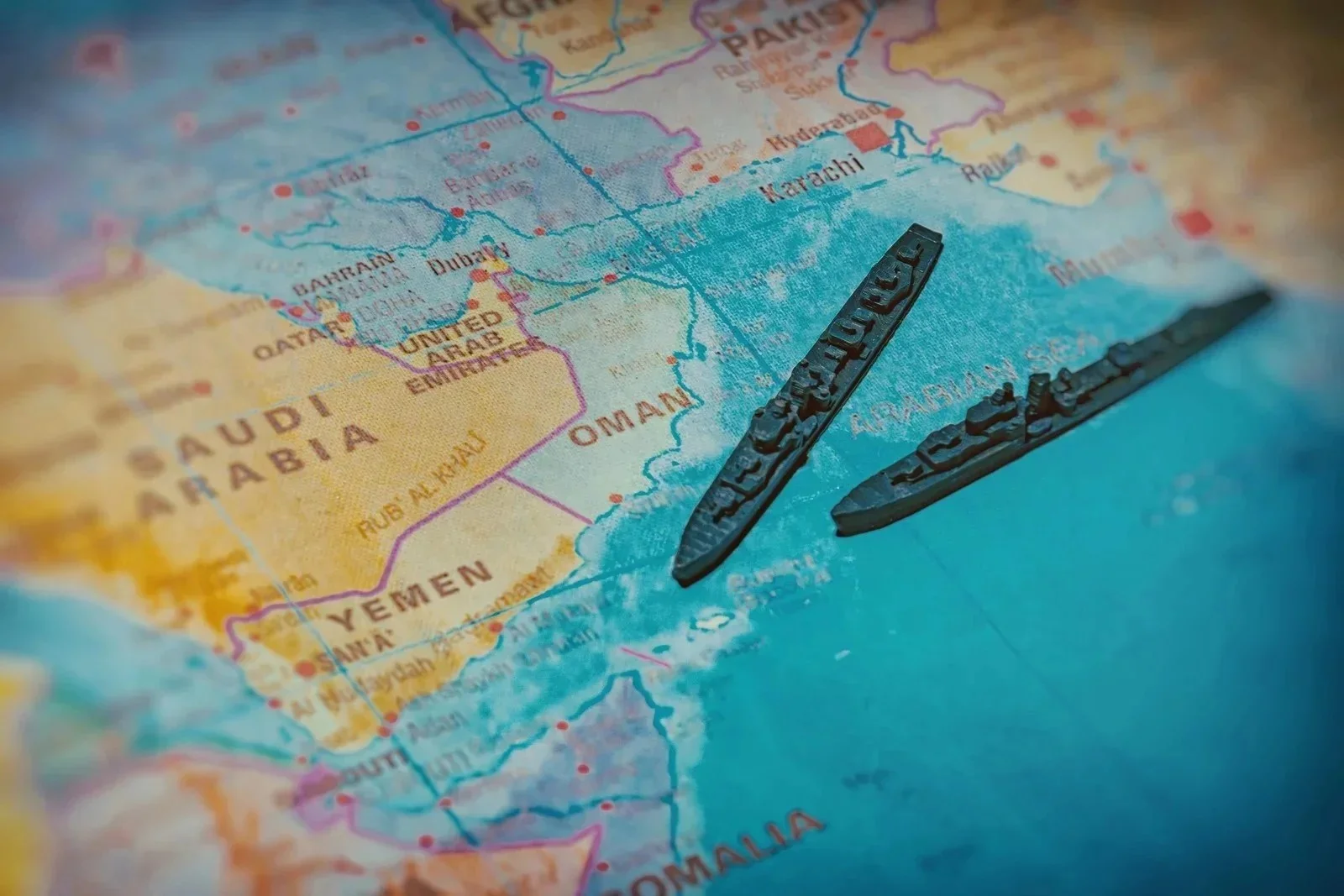
Hormuz Strait Tensions Flare: Blockade Threat to Halt 2 Million Barrels of Iranian Oil Flow
Ship transits through the vital Strait of Hormuz are remaining at greatly reduced levels. This constrained activity persists amid geopolitical tension surrounding the world's most critical energy chokepoint. Most vessel owners are reportedly reluctant to navigate the waterway due to its recent status as a war zone.Expert analysis highlights the extreme risk associated with potential escalations. Jorge Leon, head of geopolitical analysis at Rystad Energy, noted that President Trump's potential blockade aims to curb Iran's influence over the strait. However, he cautioned that the risk of escalation remains very high in the current volatile environment.
Daily Transit Levels Plummet Amid Geopolitical Strain
Since the conflict began at the end of February, the routine maritime activity has seen a dramatic drop. On most days, the number of ships crossing in either direction has been limited to single digits. In typical times, daily transits at this crucial passage totaled approximately 135 vessels.A single day showing three non-Iranian supertankers transiting equated to six million barrels a day. If this volume could be sustained, it would significantly narrow the substantial amount of lost supply from the waterway.
Analyzing Iran's Continued Energy Lifeline
Despite the blockade concerns, Iran appears to be sustaining significant exports through the Strait. Preliminary tanker-tracking estimates compiled by Bloomberg showed Iran exporting about 1.7 million barrels a day of crude and condensate last month. China was identified as the largest buyer for this output.The potential success of a blockade would sever one of Iran's main economic lifelines, representing a major shift from when the US previously issued sanctions waivers for some buyers to purchase barrels from Tehran. At times over the past week alone, nearly every vessel seen transiting had some direct link to Iran, alongside other sanctioned vessels.
Regional Trade Activity Through the Chokepoint
Several neighboring nations have utilized exceptions to continue maritime trade. India, for instance, successfully managed to get eight liquefied petroleum gas tankers through Hormuz. Pakistan obtained permissions for twenty vessels to cross, a number that exceeded its actual tally within the Persian Gulf.Iraq received an exception earlier this month, described by Iran as a "brotherly" gesture. Shipbroker reports indicate some refiners have sought pickups in Iraqi ports, although few major deals have materialized. While a smattering of Iraqi vessels carrying the country's oil have transited, a major pickup remains awaited.
Evasion Tactics Observed in Transit Operations
Observation of vessel movements has revealed methods to bypass surveillance. A small number of Greek ships have been observed continuing to cross the strait. These vessels have been noted for switching off their satellite transponders.Dynacom Tankers Management Ltd. has cleared Hormuz with at least five vessels since the waterway closure using this transponder switching technique. The combination of ships disabling their transponders and signal jamming makes it challenging to calculate the exact number of vessels using these covert methods.
Disclaimer: Due care and diligence have been taken in compiling and presenting news and market-related content. However, errors or omissions may arise despite such efforts.
The information provided is for general informational purposes only and does not constitute investment advice, a recommendation, or an offer to buy or sell any securities. Readers are advised to rely on their own assessment and judgment and consult appropriate financial advisers, if required, before taking any investment-related decisions.
Any views, opinions, or statements expressed, where applicable, are those of the respective analysts or experts and do not reflect the views of this website. The website has no association with such viewpoints and does not assume any responsibility for them.