
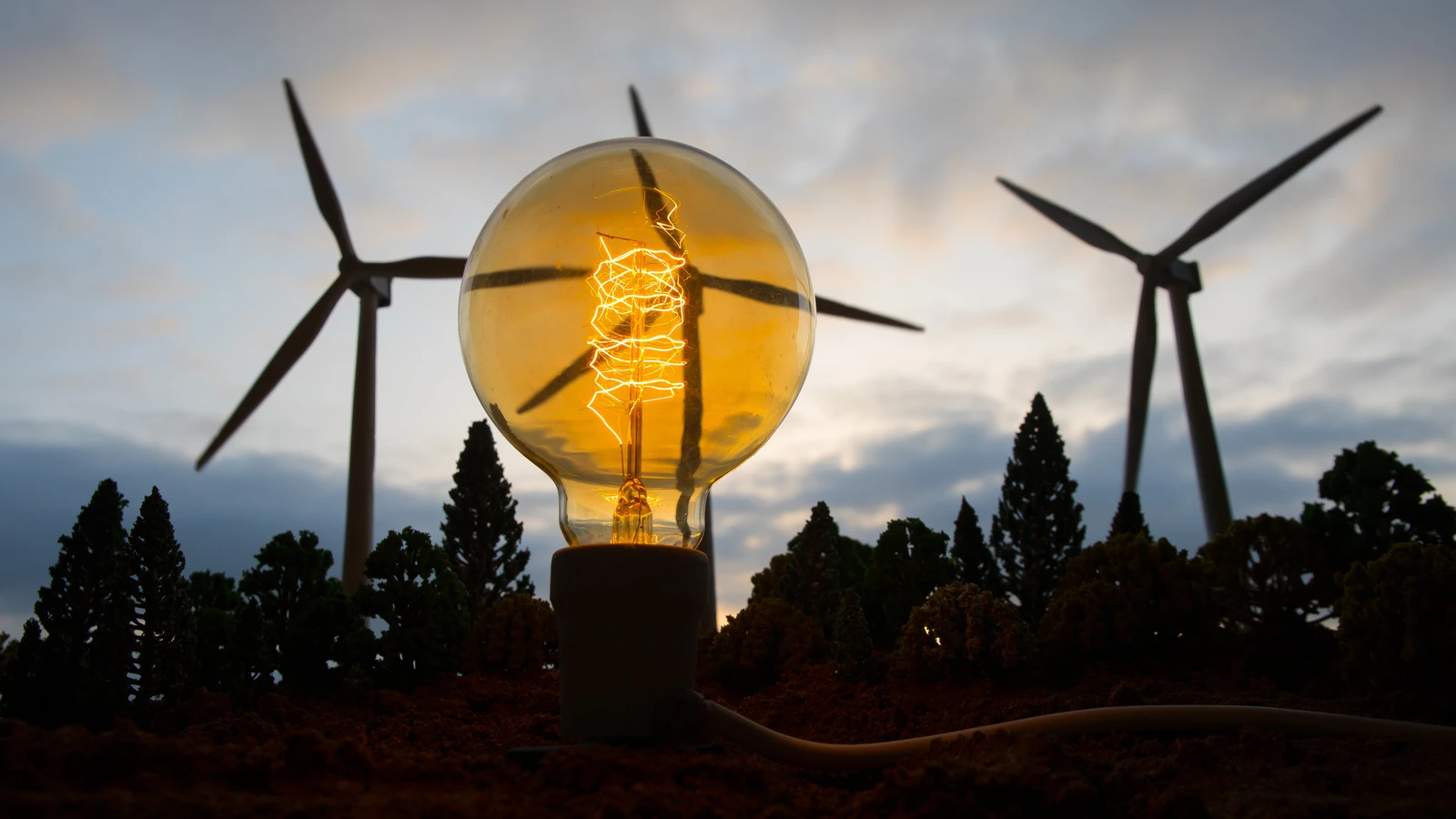
New Delhi, February 22: Union Minister for New and Renewable Energy Pralhad Joshi on Sunday reiterated that India remains firmly committed to accelerating the global shift towards clean energy in a manner that is faster, fairer, and development-oriented.
Responding to UN Secretary-General António Guterres on X, the minister said India’s clean energy journey is anchored in action, ambition, and inclusion.
India’s Clean Energy Push Backed by Policy and Scale
Joshi stated that under the leadership of Prime Minister Narendra Modi, India is scaling up renewable energy capacity while simultaneously strengthening industry, livelihoods, and innovation.He emphasized that India’s transition is not limited to environmental objectives but is designed to drive economic growth and social inclusion.
Guterres, in his post, said India is demonstrating that expanding clean energy access and growing industry can go hand in hand. He called for collective efforts to transform climate necessity into a development opportunity and make the energy transition fairer and faster for people and the planet.
India Emerging as a Global Renewable Energy Leader
India continues to position itself as a global leader in renewable energy expansion, supported by ambitious climate commitments and measurable progress.The country has pledged to:
- Reduce GDP emissions intensity of greenhouse gases by 45 percent below 2005 levels by 2030
- Increase the share of non-fossil fuel electric power capacity to 50 percent
- Create a carbon sink of 2.5 to 3 billion tonnes
UN Chief Flags AI Fragmentation Risks at India AI Impact Summit 2026
At the India AI Impact Summit 2026 in New Delhi, Guterres also raised concerns over the risks of fragmentation in artificial intelligence governance.He warned that growing technological rivalry and the absence of a common baseline could lead to incompatible policies and technical standards across regions.
“Technological rivalry is growing. Without a common baseline, fragmentation wins, with different regions and different countries operating under incompatible policies and technical standards,” he said.
Guterres stressed that agreeing on how to test systems and measure risk would help create interoperability. He also called for science-led AI guardrails to protect people and accelerate innovation.
According to the UN Secretary-General, clear AI guardrails would build confidence and provide businesses with clarity, enabling innovation to move faster in the right direction.
India’s dual focus on renewable energy expansion and responsible AI governance reflects its broader approach to balancing development, sustainability, and global cooperation in a rapidly changing world.
Disclaimer: Due care and diligence have been taken in compiling and presenting news and market-related content. However, errors or omissions may arise despite such efforts.
The information provided is for general informational purposes only and does not constitute investment advice, a recommendation, or an offer to buy or sell any securities. Readers are advised to rely on their own assessment and judgment and consult appropriate financial advisers, if required, before taking any investment-related decisions.
Any views, opinions, or statements expressed, where applicable, are those of the respective analysts or experts and do not reflect the views of this website. The website has no association with such viewpoints and does not assume any responsibility for them.