
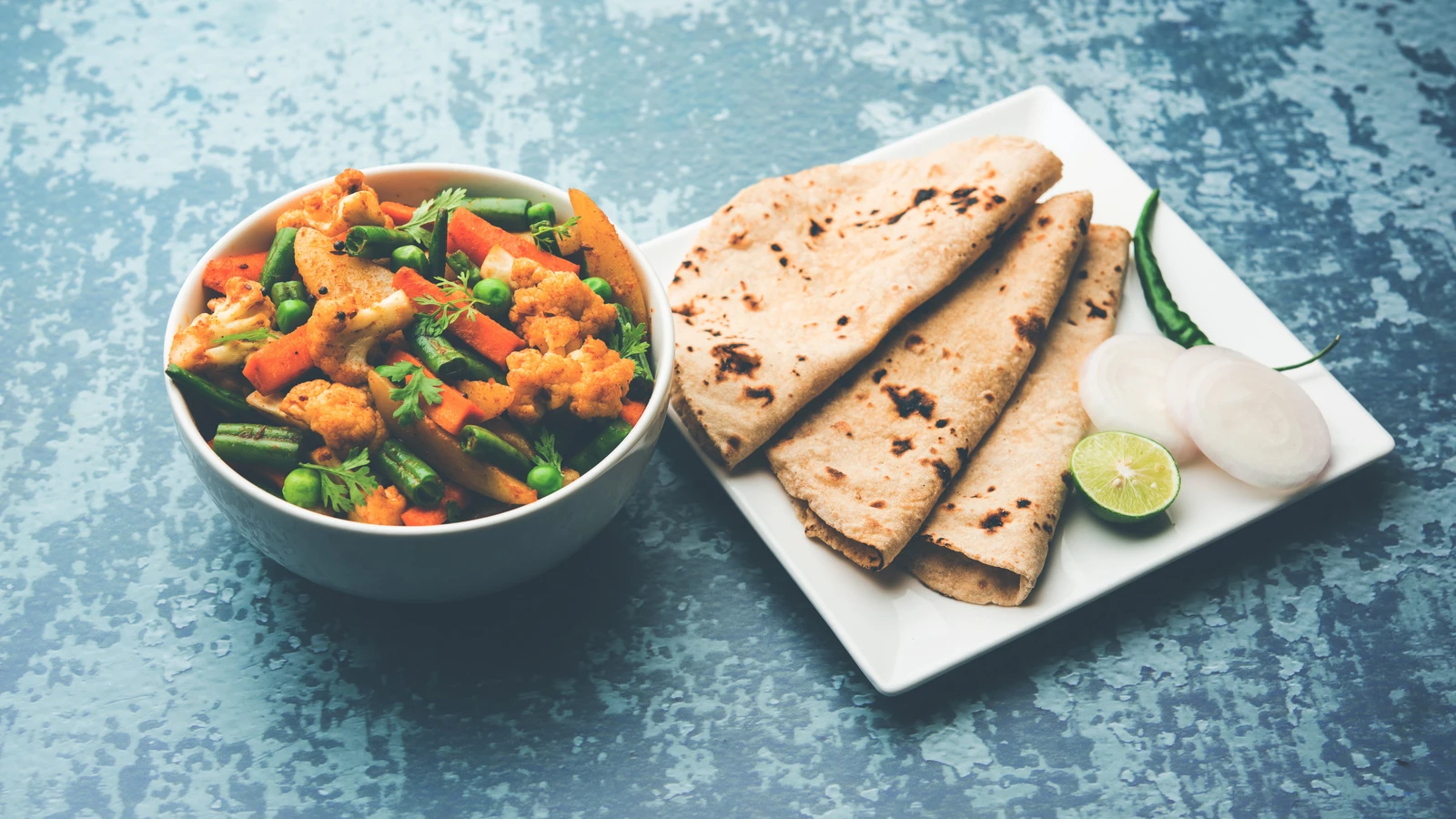
Vegetarian and Non-Vegetarian Thali Costs Decline Year-on-Year
The cost of preparing a home-cooked vegetarian and non-vegetarian thali declined in January compared to the same month last year, driven by lower prices of key vegetables and pulses.According to a report by Crisil Intelligence, the cost of a vegetarian thali fell by 1 percent year-on-year in January, while the cost of a non-vegetarian thali dropped by 7 percent. The moderation reflects easing prices of essential ingredients, although select items recorded increases that limited the overall relief.
Onion, Potato and Pulse Prices Drive Relief
The reduction in vegetarian thali costs was primarily supported by a sharp fall in onion, potato and pulse prices.Onion prices declined by 27 percent year-on-year, aided by higher stock availability and subdued exports. Potato prices fell by 23 percent due to a high base effect, as lower yields in the previous season had pushed prices up. The correction this year contributed to easing costs.
Pulse prices also softened, decreasing by 14 percent compared to the previous year as stock levels improved in the current fiscal year. Higher imports of Bengal gram, yellow pea and black gram supported this trend. Import of Bengal gram rose nine times year-on-year in fiscal 2025, while yellow pea imports increased by 85 percent and black gram imports grew by 31 percent. These imports have been permitted until March 2026 despite minor duties being imposed.
Pushan Sharma, Director at Crisil Intelligence, said that the decline in vegetarian thali cost was led by softer onion and pulse prices due to improved stock levels, along with a high base effect in potatoes.
Tomato Prices Surge, Offset Part of Gains
While several ingredients became cheaper, tomato prices moved sharply higher.Tomato prices surged 50 percent year-on-year to ₹46 per kg in January 2026, compared to ₹31 per kg in January 2025. The spike was attributed to a 39 percent decline in arrivals during the month, although the increase came off a low base last year.
The rise in tomato prices partially offset the relief from cheaper onions, potatoes and pulses.
Higher Input Costs Limit Overall Decline
In addition to tomatoes, other input costs also increased.Vegetable oil prices rose 4 percent year-on-year due to tighter global soybean oil supply, which pushed up domestic prices. The cost of liquefied petroleum gas cylinders increased 6 percent year-on-year, further limiting the overall reduction in thali preparation costs.
Despite these pressures, the overall cost of preparing both vegetarian and non-vegetarian thalis remained lower in January compared to a year ago, reflecting the impact of easing prices in key staples.
Disclaimer: Due care and diligence have been taken in compiling and presenting news and market-related content. However, errors or omissions may arise despite such efforts.
The information provided is for general informational purposes only and does not constitute investment advice, a recommendation, or an offer to buy or sell any securities. Readers are advised to rely on their own assessment and judgment and consult appropriate financial advisers, if required, before taking any investment-related decisions.
Any views, opinions, or statements expressed, where applicable, are those of the respective analysts or experts and do not reflect the views of this website. The website has no association with such viewpoints and does not assume any responsibility for them.