
Global Energy Tensions Flare: US-Iran Talks Collapse in Islamabad Over Key Strait of Hormuz Dispute
Sticking Points Emerge: Hormuz Passage and Nuclear Programs Dominate Negotiations
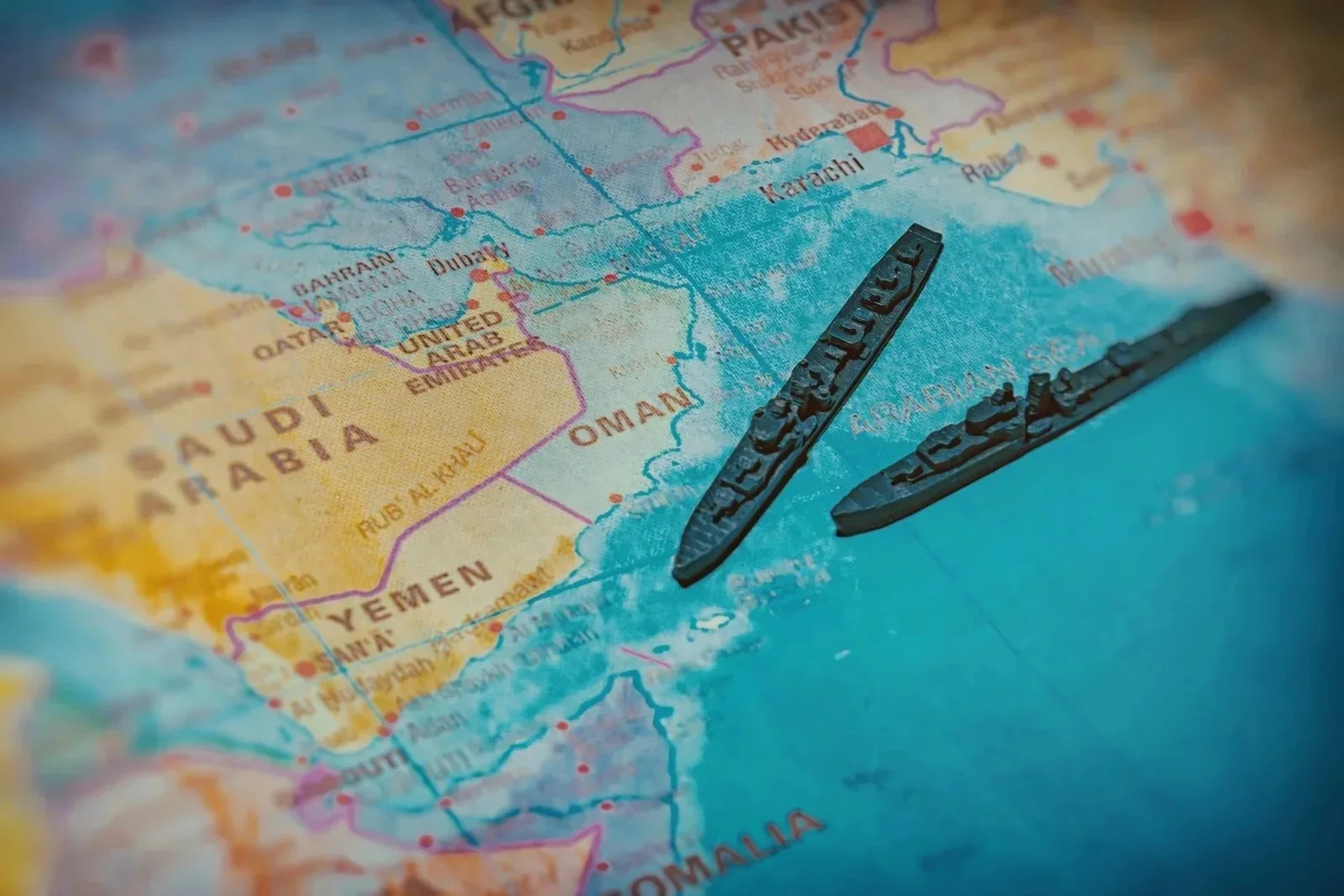
The high-stakes diplomatic talks between the US and Iran, held in Islamabad, concluded without any breakthrough. Washington’s primary demands centered on securing the full reopening of the Strait of Hormuz and imposing curbs on Iran’s nuclear and missile development.The waterway, which is crucial as it carries approximately one-fifth of the world's oil and liquid natural gas flows, remained a major sticking point throughout the proceedings. Meanwhile, Tehran was advocating for sanctions relief alongside continued access to the critical maritime passage.
Iran’s former foreign minister, Mohammad Javad Zarif, publicly stated that the US must adjust its approach, noting, "you can't dictate terms to Iran." This sentiment echoed the deep disagreements underpinning the complex discussions.
Diplomatic Fallout After Marathon Islamabad Meetings
Vice President JD Vance arrived in Islamabad tasked with concluding six weeks of regional tension and overcoming decades of animosity. Despite being a high-level meeting marking a significant diplomatic event, Vance returned to Washington without a resolution.Speaking briefly before his departure, Vance presented a "very simple proposal," suggesting the diplomatic effort was focused on a method of understanding that he hoped Iran would accept. However, on Sunday morning, it was publicly clear that the parties remained far from resolving the war-fueled tensions.
The US signaled strong disapproval of the outcome. In a Truth Social post, President Donald Trump stated that Iran’s delegation remained "very unyielding as to the single most important issue" and reiterated his view that "IRAN WILL NEVER HAVE A NUCLEAR WEAPON!"
Regional Stability and Energy Market Watch
The geopolitical environment surrounding the talks was marked by continued conflict elsewhere. Reports indicated that Israel and Hezbollah were still engaged in exchanges of fire in Lebanon, a resolution that was among Iran's key demands.Pakistan played a pivotal role by hosting the summit, which allowed it to mediate between regional powers including Iran, the Gulf states, the US, and China. The arrival of Pakistani air force fighter jets and support aircraft at King Abdulaziz Air Base was highlighted as part of a strategic defense pact between Pakistan and Saudi Arabia.
Early signs of market activity appeared in the Strait of Hormuz, where multiple supertankers loaded with crude moved toward the passage. This movement was noted as the most substantial increase in oil shipments since the flow was hampered by the recent instability.
Key Negotiations Tracks and Expert Viewpoints
The dialogue featured multiple negotiation tracks. Pakistan Prime Minister Shehbaz Sharif met with the Iranian delegation to discuss details while the formal structure of the talks remained fluid.Iran’s semi-official Fars news agency reported that discussions reached a point where fewer Israeli strikes in Lebanon and a US agreement in principle to release Iranian assets helped drive the parties toward direct talks, a claim the White House swiftly denied.
The process reportedly advanced to an "expert phase," involving specialists across economic, military, legal, and nuclear domains. Despite indications of movement, the final departure of Vance confirmed that the dialogue had concluded with a failure to secure a comprehensive agreement.
Disclaimer: Due care and diligence have been taken in compiling and presenting news and market-related content. However, errors or omissions may arise despite such efforts.
The information provided is for general informational purposes only and does not constitute investment advice, a recommendation, or an offer to buy or sell any securities. Readers are advised to rely on their own assessment and judgment and consult appropriate financial advisers, if required, before taking any investment-related decisions.
Any views, opinions, or statements expressed, where applicable, are those of the respective analysts or experts and do not reflect the views of this website. The website has no association with such viewpoints and does not assume any responsibility for them.