
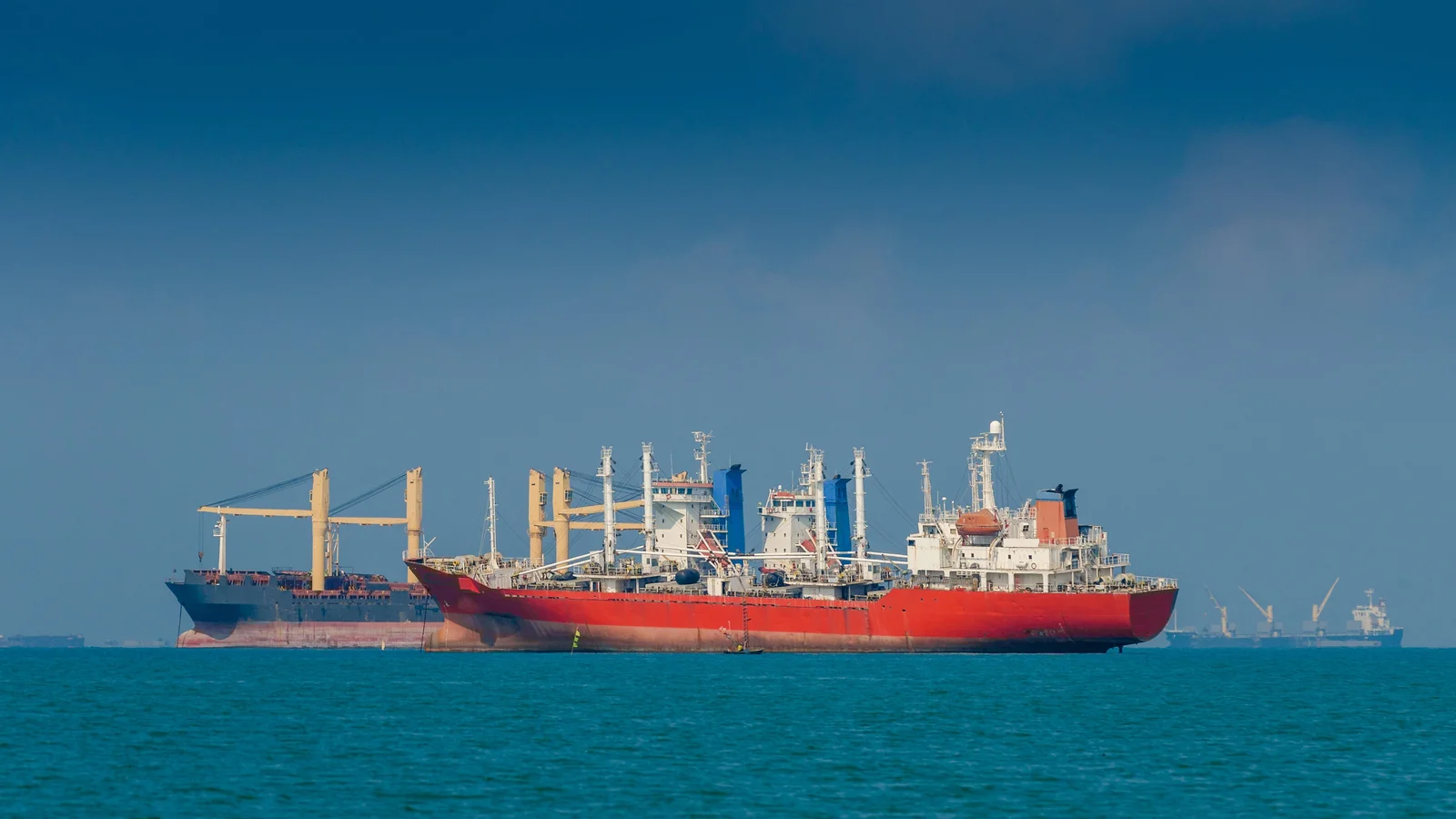
Oil Movements Halted Amid Heightened Geopolitical Tensions
Two empty crude tankers recently attempted passage through the Strait of Hormuz and into the Persian Gulf. These movements abruptly halted with last-minute U-turns just as peace negotiations between the US and Iran failed. The instability underscores the critical nature of this global energy thoroughfare.Key Tanker Movements and Divergences
Ship-tracking data revealed several vessels approaching the narrow waterway from the Gulf of Oman late Saturday. These included two very large crude carriers and one Aframax-class vessel. They reached the vicinity of Iran's Larak island early Sunday.Vessels flagged to Iraq and Pakistan showed differing paths. The vessel Agios Fanourios I, destined for Iraq, and the Pakistan-flagged Shalamar, meant for Das island in the UAE, both turned back at this checkpoint. Conversely, the first VLCC, Mombasa B, proceeded successfully. It made its way between Larak and Qeshm islands, utilizing an Iran-approved route into the Persian Gulf.
Conflicting Movements Near the Strait
Adding to the complexity, a Pakistani oil product tanker named Khairpur was also transiting through the Iranian corridor toward the Gulf. This tanker, however, also changed course twice on Sunday. The specific reasons behind these multiple about-turns remain unclear.This unusual pattern emerged just as negotiators in Islamabad announced their failure to secure a deal. Notably, both Iraq and Pakistan had previously received approvals from Iran to transit the vital strait.
The Strategic Importance of Hormuz Transit
The Strait of Hormuz is recognized as one of the world's most significant energy pathways. Its effective closure, following strikes initiated by the US and Israel on Iran six weeks prior, has caused unprecedented supply disruption globally.The reopening of the Strait has been a critical talking point during weekend negotiations, yet it remains a key point of disagreement among parties involved. Recent weeks have seen multiple vessels attempting transit only to abort their efforts.
Broader Trends in Global Shipping Patterns
While the vast majority of recent attempts have involved ships leaving the Persian Gulf, empty tankers inside are also necessary for new cargo loading. Earlier activity showed a mixed picture.Just last month, two Chinese container ships were seen U-turning before finally exiting successfully. Furthermore, a liquefied natural gas carrier was observed turning back in the preceding week. On a separate note, two Chinese supertankers and a Greek vessel exited the gulf via Hormuz on Saturday, carrying crude oil.
Analyst Viewpoint on Market Uncertainty
The attempted transit by all three crude tankers on Sunday would have sustained a positive momentum of movement through the waterway. This waterway has been controlled by Iran and dominated by Iran-linked vessels since the end of February. The sequence of these recent incidents highlights a constantly shifting security environment and persistently high risks associated with the region.Disclaimer: Due care and diligence have been taken in compiling and presenting news and market-related content. However, errors or omissions may arise despite such efforts.
The information provided is for general informational purposes only and does not constitute investment advice, a recommendation, or an offer to buy or sell any securities. Readers are advised to rely on their own assessment and judgment and consult appropriate financial advisers, if required, before taking any investment-related decisions.
Any views, opinions, or statements expressed, where applicable, are those of the respective analysts or experts and do not reflect the views of this website. The website has no association with such viewpoints and does not assume any responsibility for them.