
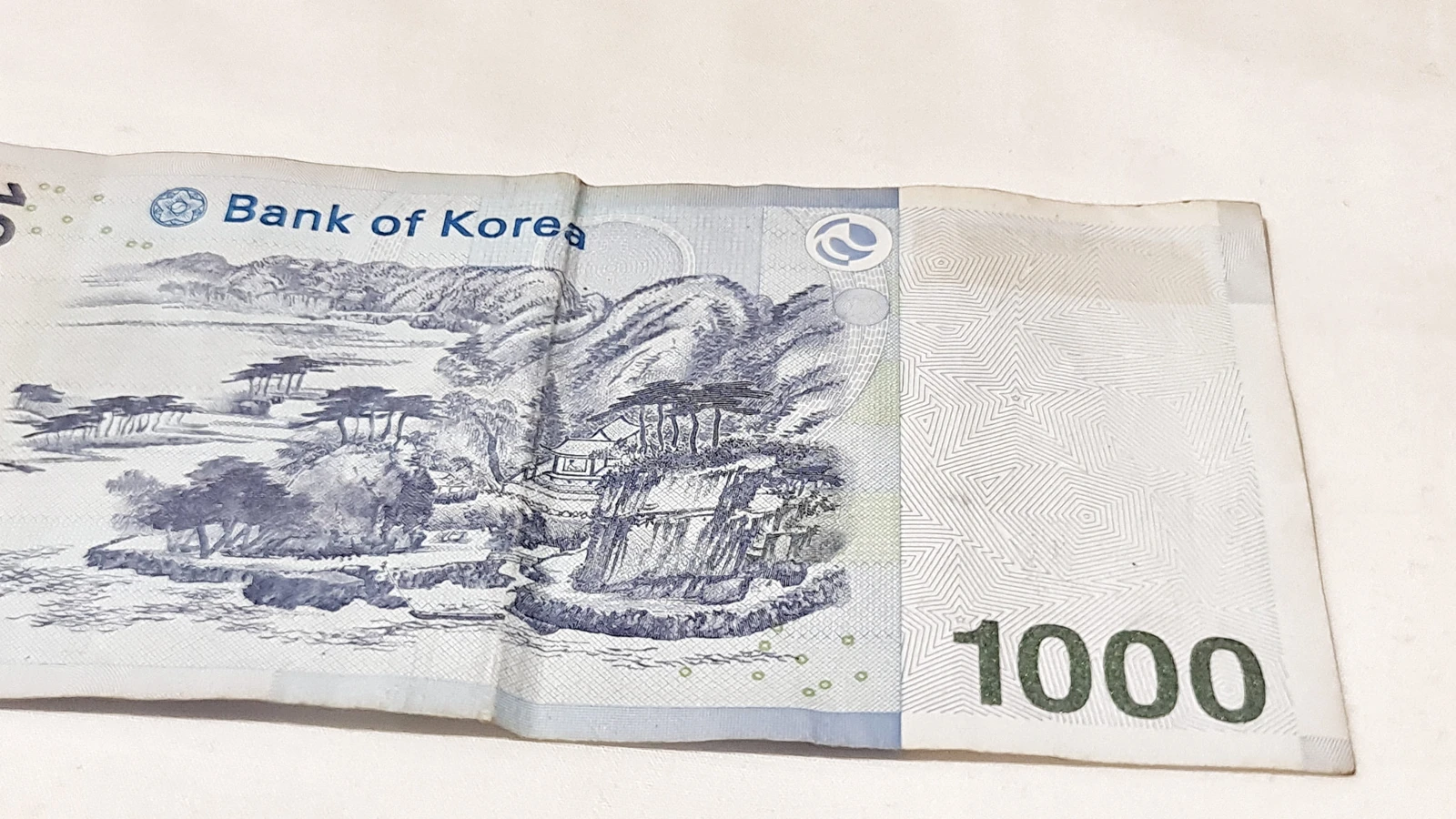
Seoul, April 15: The South Korean currency, the won, has been experiencing notable weakness in recent months. However, Shin Hyun-song, the nominee for the head of the Bank of Korea (BOK), reassured the National Assembly that the country possesses ample dollar liquidity, sufficient to absorb potential external shocks. These remarks were delivered during his confirmation hearing, marking his selection to succeed outgoing BOK Gov. Rhee Chang-yong.
The nominee acknowledged the concern over the currency's valuation, stating that while he could not comment on specific levels, the won-dollar exchange rate had remained at a "fairly high level" recently. Shin emphasized that excessive currency depreciation is not desirable for the nation's economy.
BOK Nominee Assures Confidence in Won's Resilience
Despite the current forex pressure, the BOK chief nominee highlighted that South Korea's overall foreign exchange reserves remain robust. These reserves serve as a critical national buffer, giving the government the capacity to respond effectively to global volatility.The recent forex movements saw the won hover near the psychological 1,500 won-per-dollar mark before softening towards the 1,450 level. This decline was attributed by the nominee, in part, to the heightened uncertainty surrounding global markets, particularly following escalating tensions in the Middle East and subsequent spikes in global oil prices.
Offshore Trading and Won's Depreciation Headwinds
When analyzing the underlying causes of the won's weakness, Shin Hyun-song pointed toward significant offshore market activity. He identified what he termed a "tail wagging the dog" phenomenon. Specifically, the nominee cited offshore non-deliverable forward (NDF) trading involving the Korean won as a major contributing factor to the currency's depreciation.To counter this structural weakness, Shin outlined a clear strategy. He vowed to champion the global adoption of the won and work toward establishing a specialized offshore settlement system. This initiative aims to better manage the exchange rate volatility and fundamentally strengthen the currency's standing on the international stage.
South Korea's M2 Money Supply Records Gains Amid Strong Local Demand
Beyond the currency stability, the nation's monetary footing also showed signs of resilience. Central bank data revealed that South Korea’s money supply, measured by M2, increased for the fourth consecutive month in February. This growth occurred as increases in savings deposits successfully offset a decline in certificates of deposit (CDs).According to preliminary BOK data, the country's M2 stood at an average of 4,114 trillion won (US$2.79 trillion) in February, representing a gain of 600 billion won compared to the month prior. The figure had rebounded in November after showing a month-on-month decline.
M2 measures the total money supply, encompassing cash, demand deposits, and other easily convertible financial instruments. A BOK official noted that the uptick in demand deposit-type savings was fueled by surplus funds awaiting local government expenditure. Conversely, the decline in marketable instruments was attributed to deteriorating issuance conditions and reduced overall funding demand for CDs.
Disclaimer: Due care and diligence have been taken in compiling and presenting news and market-related content. However, errors or omissions may arise despite such efforts.
The information provided is for general informational purposes only and does not constitute investment advice, a recommendation, or an offer to buy or sell any securities. Readers are advised to rely on their own assessment and judgment and consult appropriate financial advisers, if required, before taking any investment-related decisions.
Any views, opinions, or statements expressed, where applicable, are those of the respective analysts or experts and do not reflect the views of this website. The website has no association with such viewpoints and does not assume any responsibility for them.