
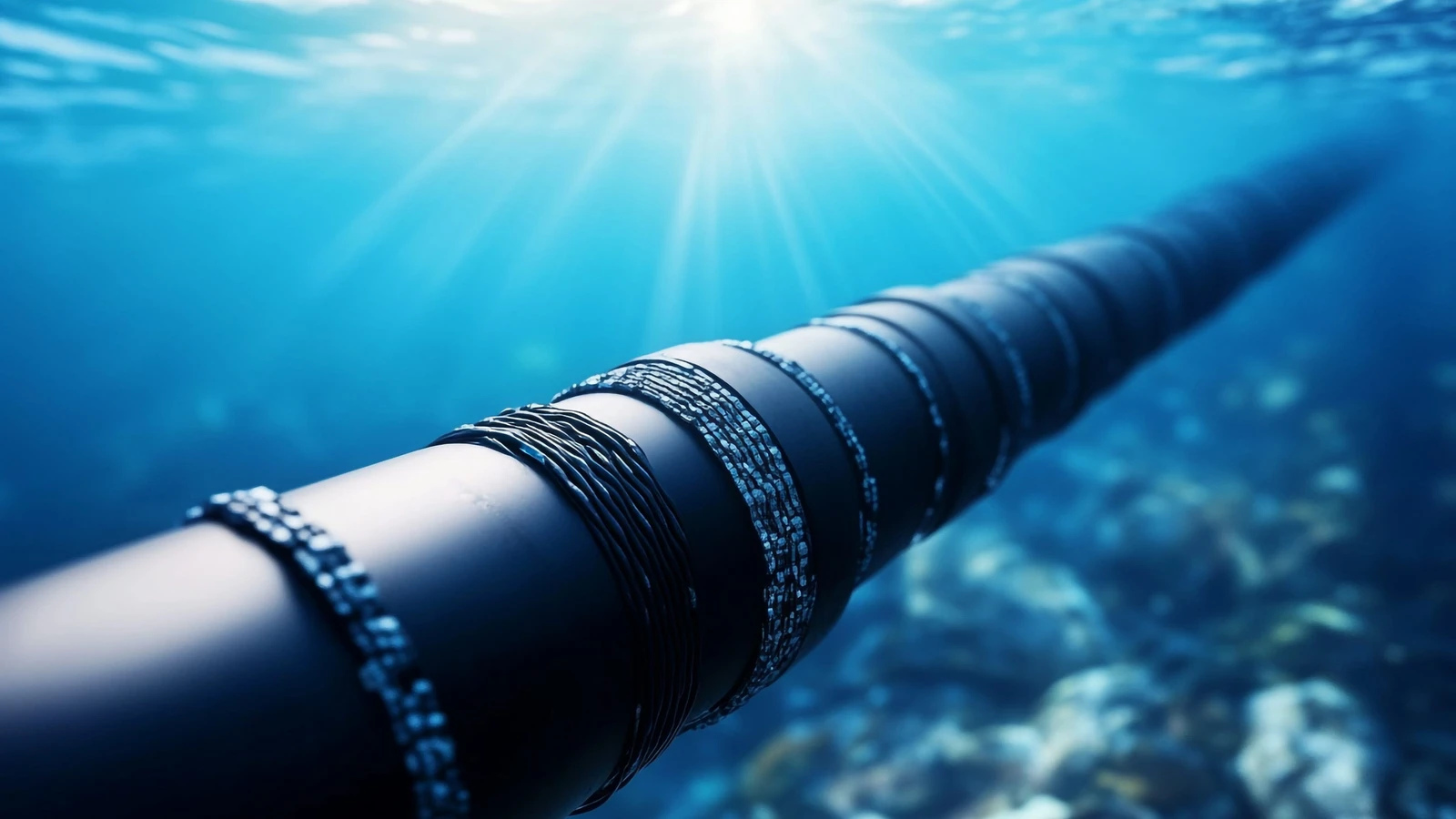
India’s internet infrastructure faces growing concern as the ongoing US-Israel conflict with Iran raises risks for subsea cables passing through West Asia. These undersea cables carry a significant portion of the country’s data, and any damage could slow connectivity and disrupt business operations.
India’s Internet Exposure to West Asia
Industry estimates suggest that around 60% of India’s internet traffic passes through cables landing in Mumbai and traversing West Asia en route to Europe. Key choke points such as the Red Sea and the Strait of Hormuz make this route particularly vulnerable. The remaining traffic travels east via Chennai, Singapore, and the Pacific.This reliance on West Asia links a majority of India’s internet to a region currently under geopolitical tension. While the Red Sea has historically faced cable disruptions, threats from Iran to target infrastructure have escalated concerns.
Will Users Lose Internet Access?
Experts say a total internet blackout is unlikely. “It is not as if the internet will ever be shut down but it could get slowed down,” said Amajit Gupta, CEO of Lightstorm Telecom Connectivity Pvt. Ltd. Internet traffic can be rerouted through alternative routes, but this may create congestion and slow speeds.Impact of Cable Damage and Rerouting
When traffic is rerouted to fewer paths, network congestion can cause noticeable delays. Users may experience slower downloads, lagging video streams, and delayed responses from apps. Enterprises, especially global capability centres, may face operational slowdowns if outages persist.Repairing subsea cables is a complex and time-consuming process. Even under normal circumstances, locating a fault, dispatching a repair ship, and fixing the cable can take weeks. War conditions make maintenance even more challenging.
Effects on Companies Laying Subsea Cables
Ongoing conflicts are affecting new and existing cable projects. Meta Platforms, for instance, paused parts of its 2Africa subsea expansion amid regional instability. Indian operators like Airtel and Tata Communications rely on key cables such as SEA-ME-WE 4, SEA-ME-WE 5, IMEWE, and FALCON. Any disruption to these networks could slow internet services and impact global connectivity.Steps Towards Greater Resilience
India currently hosts 17 international subsea cables across 14 landing stations. Experts recommend reducing dependence on high-risk regions by creating new routes that bypass West Asia, adding more landing points, and strengthening repair capabilities.Meta’s Project Waterworth, for example, introduces a 'W-shaped' network that avoids conflict zones like the Red Sea and South China Sea, connecting the US, Brazil, India, and South Africa with landing points in Mumbai and Vizag. Such projects are considered milestones for strengthening India’s digital infrastructure.
Risks Within India
India’s subsea cable landings are concentrated in Mumbai and Chennai, creating potential single points of failure. Natural disasters or technical failures at these sites could disrupt large portions of the country’s connectivity. Expanding landing points along India’s coastline, while costly, could mitigate these risks and improve overall network resilience.In conclusion, while a complete internet outage is unlikely, prolonged tensions in West Asia could slow connectivity, affect enterprises, and highlight the need for diversified, resilient subsea infrastructure for India’s growing digital ecosystem.
Disclaimer: Due care and diligence have been taken in compiling and presenting news and market-related content. However, errors or omissions may arise despite such efforts.
The information provided is for general informational purposes only and does not constitute investment advice, a recommendation, or an offer to buy or sell any securities. Readers are advised to rely on their own assessment and judgment and consult appropriate financial advisers, if required, before taking any investment-related decisions.
Any views, opinions, or statements expressed, where applicable, are those of the respective analysts or experts and do not reflect the views of this website. The website has no association with such viewpoints and does not assume any responsibility for them.