
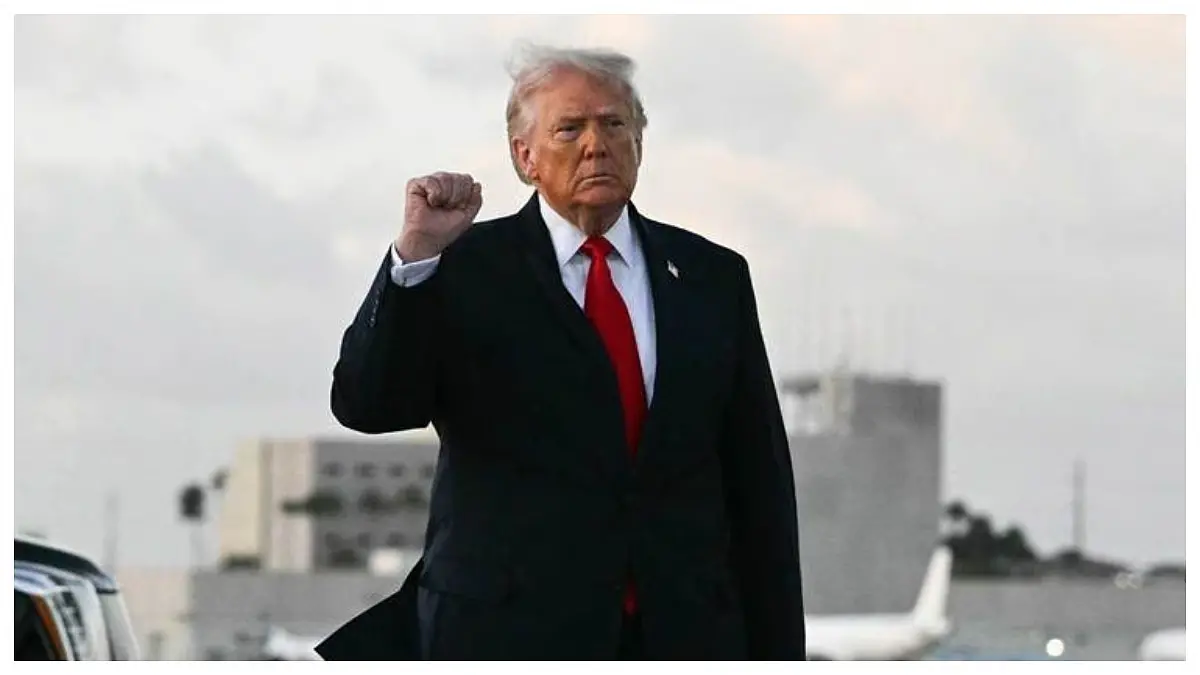
WASHINGTON, April 15 - Diplomatic efforts regarding Iran are set for a potential revival, as US President Donald Trump indicated that a second round of direct talks could take place over the next two days. The comments signal a possible diplomatic opening despite the continued presence of a US naval blockade targeting Iranian-linked shipping.
In an interview with The New York Post, Trump mentioned that negotiations could happen soon, suggesting Pakistan as a viable venue. He stated, "Something could be happening over the next two days, and we’re more inclined to go there,” referring to Islamabad. These remarks follow an earlier round of talks that had failed to achieve a breakthrough.
Implications of High-Level Diplomatic Dialogue
The US diplomatic push is framed by a desire for a comprehensive, long-term agreement with Tehran. Vice President JD Vance noted that Washington seeks broader stability, intending for Iran to prosper economically. However, this prosperity is contingent on Iran committing to non-development of a nuclear weapon.The United Nations has also stressed the need for sustained engagement. Secretary-General António Guterres urged continued diplomatic efforts and suggested that talks between Washington and Tehran are likely to resume. Further regional stability talks are also underway, with Israel and Lebanon agreeing to launch direct negotiations after meeting in Washington.
Monitoring Tensions in the Strait of Hormuz
The prospect of renewed dialogue occurs against a backdrop of heightened regional tensions. US Central Command maintained a naval blockade, reporting that no ships from Iranian ports passed through the blockade in the first 24 hours. While six merchant vessels complied with US instructions and turned back, others present a mixed picture.Shipping data revealed several Iran-linked vessels were tracked through the Strait of Hormuz following the blockade's commencement. Nonetheless, the waterway's critical nature remains apparent, as more than 20 commercial ships not linked to Iran transited the strait in the same period. This suggests that traffic through the key global chokepoint has not been fully disrupted.
Market Reaction to Reduced Geopolitical Risk
The market reacted sharply to the possibility of easing tensions and renewed diplomatic activity. US crude futures fell nearly 8 per cent, reaching their lowest level in weeks. This sharp movement reflects immediate hopes among traders that regional tensions could ease, thereby allowing energy flows to stabilize.However, underlying uncertainty regarding the blockade's enforcement continues to persist. The Strait of Hormuz remains a critical global chokepoint, carrying a significant share of global oil shipments. Historically, any sustained disruption in this passage has caused major volatility in oil prices and raised alarms about global energy security.
Disclaimer: Due care and diligence have been taken in compiling and presenting news and market-related content. However, errors or omissions may arise despite such efforts.
The information provided is for general informational purposes only and does not constitute investment advice, a recommendation, or an offer to buy or sell any securities. Readers are advised to rely on their own assessment and judgment and consult appropriate financial advisers, if required, before taking any investment-related decisions.
Any views, opinions, or statements expressed, where applicable, are those of the respective analysts or experts and do not reflect the views of this website. The website has no association with such viewpoints and does not assume any responsibility for them.