
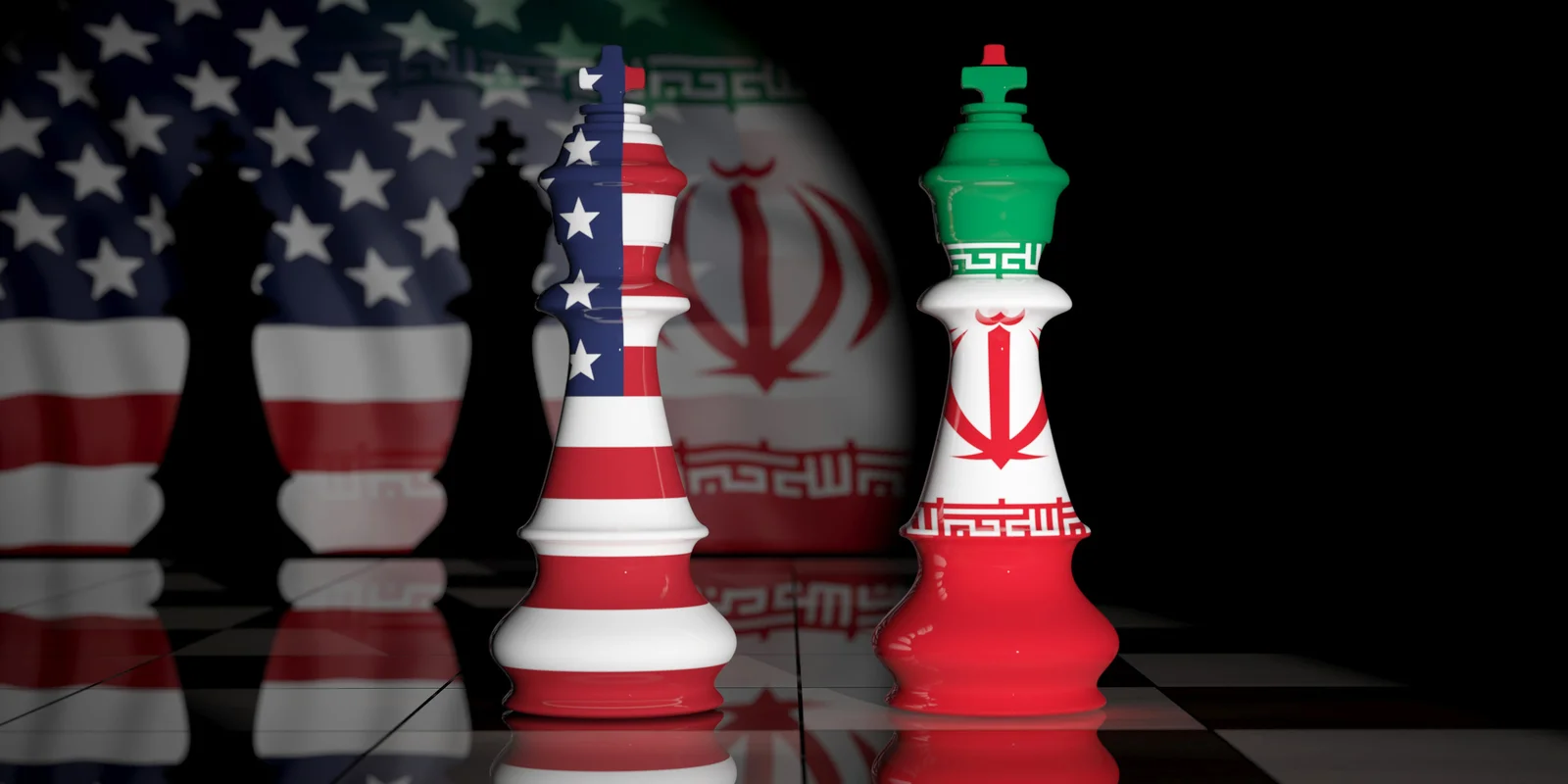
In a significant diplomatic pivot, South Korea reportedly shared sensitive information with Iran concerning the safety and passage of its vessels stranded in the volatile Strait of Hormuz. This move suggests Seoul may be seeking negotiations to secure the safe transit of its ships amid heightened tensions between the US and Iran.
South Korea's special envoy to Iran, Chung Byung-ha, was reportedly engaged in high-level consultations in Tehran. During these meetings, he reportedly shared critical details to ensure the safety of the ships and their crews with Iranian officials.
The envoy is currently in Tehran at the behest of the foreign minister to discuss both the stranded vessels and broader bilateral issues linked to the escalating conflict.
South Korea's Shift in Diplomatic Stance
Seoul's engagement with Iran represents a potential change from its previous policy, which had effectively ruled out bilateral negotiations aimed at securing transit passage. The move appears to be influenced by the recent two-week ceasefire agreement between Washington and Tehran.The Korean foreign ministry declined to confirm the specific details of these consultations with Tehran. However, the ministry issued a statement confirming that it is actively communicating with relevant countries regarding the safety and passage of the vessels in the Strait of Hormuz.
Navigating the Strait of Hormuz Crisis
The operational challenge remains critical for the nation. According to the oceans ministry, a total of 173 seafarers are currently aboard 26 vessels within the Strait of Hormuz.The government has reiterated its focus on the safety of the personnel and the smooth passage of the fleet. Beyond maritime concerns, the ministry noted that it is reviewing humanitarian assistance options for the conflict-hit regions, aligning with calls from the international community.
US Blockade Intensifies Regional Pressure
The complexity of the issue is amplified by the actions of the United States. Washington initiated a naval blockade of Iranian ports on Monday, dramatically increasing pressure on the Islamic Republic.This blockade followed the failure of peace talks between Washington and Tehran held in Pakistan over the preceding weekend. US President Donald Trump confirmed the blockade was underway, adding that Iran reportedly desires to reach a deal with the US "very badly."
While these diplomatic developments raise hopes for an end to the US-Iran confrontation, the success of engaging with Tehran remains uncertain. The failure of the peace talks and the continued US blockade suggest that significant progress allowing the Korean ships to pass will be difficult to achieve.
Disclaimer: Due care and diligence have been taken in compiling and presenting news and market-related content. However, errors or omissions may arise despite such efforts.
The information provided is for general informational purposes only and does not constitute investment advice, a recommendation, or an offer to buy or sell any securities. Readers are advised to rely on their own assessment and judgment and consult appropriate financial advisers, if required, before taking any investment-related decisions.
Any views, opinions, or statements expressed, where applicable, are those of the respective analysts or experts and do not reflect the views of this website. The website has no association with such viewpoints and does not assume any responsibility for them.