
India Boosts LPG Supply and PNG Rollout Amid West Asia Energy Shock
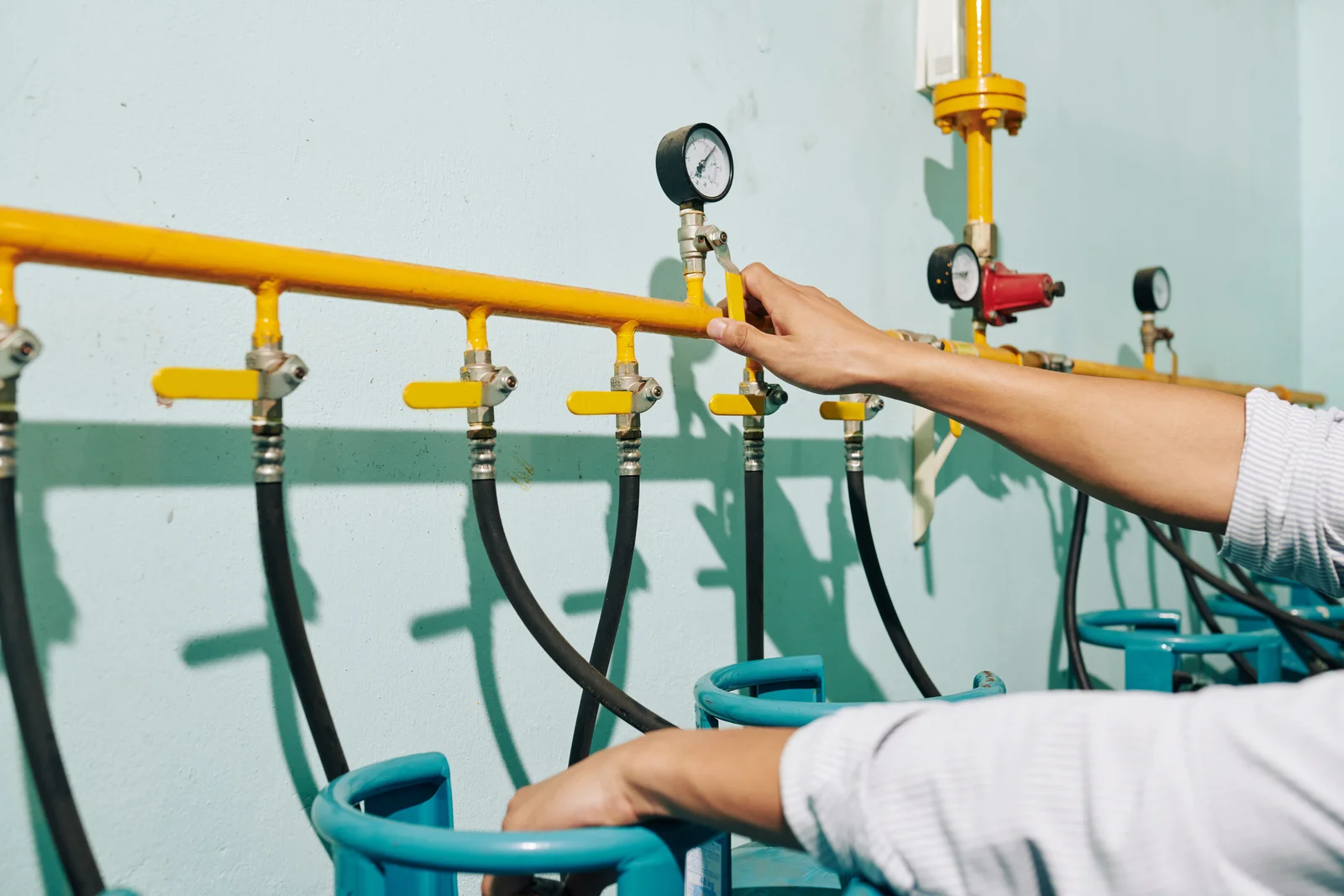
India has significantly ramped up the supply of smaller 5-kg LPG cylinders while accelerating the rollout of piped natural gas (PNG) connections. These proactive measures are being implemented as the nation manages critical fuel availability amidst supply disruptions triggered by the West Asia conflict.Over 13 lakh 5-kg free trade LPG cylinders have been sold since March 23. Daily sales are now exceeding 100,000 units, signaling authorities' expanded efforts to reach migrant workers and low-income consumers.
Managing LPG Availability Amid Global Energy Crisis
The ongoing six-week conflict in West Asia has severely disrupted global energy supplies. This regional impact hit India significantly, affecting 85-90 per cent of its LPG imports and 40 per cent of its gas needs.While the country successfully managed the crude oil shortfall by sourcing from alternative regions, the impact on LPG supplies has been notable. Consequently, the government has prioritized LPG allocation to domestic households.
This prioritization meant making cuts to supplies destined for commercial users such as hotels and restaurants. To cushion the blow for those without subsidized cooking gas connections, the supply of market-priced 5 kg cylinders has been substantially increased.
Surge in LPG Cylinder Sales and Distribution Measures
Daily sales of the 5 kg cylinders have surged dramatically. Compared to the approximately 77,000 units sold in February pre-crisis, daily sales have topped over 1 lakh in the last couple of weeks.Despite the volatility, domestic LPG supplies are reported as stable overall, with no stockouts indicated. As of April 11, over 52 lakh cylinders were delivered.
To combat diversion, online booking accounts for about 98 per cent of demand, and delivery authentication systems now cover 93 per cent of all transactions. Furthermore, commercial LPG availability has recovered to around 70 per cent of pre-crisis levels, supported by targeted allocations.
Accelerating Shift Towards Piped Natural Gas Infrastructure
Simultaneously, the transition away from traditional LPG dependency is gaining momentum. Over 424,000 new PNG connections have been activated since March.This increased uptake is highlighted by over 30,000 consumers opting to surrender their existing LPG connections as they switch to PNG. City gas distributors, including Mahanagar Gas Ltd and Indraprastha Gas Ltd, have been directed to prioritize PNG connections for commercial users.
Securing Natural Gas and Power Supply
Natural gas allocation has been a primary focus, ensuring full supply for household PNG and CNG transport. Supplies to fertiliser plants have also been boosted to about 95 per cent of their recent average consumption, a feat aided by additional LNG imports.The refining sector remains robust, with refineries operating at high utilization rates and adequate crude inventories maintained. Domestic LPG production has also been stepped up to support supply chains.
Government Measures to Shield Consumers from Price Volatility
To protect consumers from the pressures of rising global oil prices, the government implemented immediate fiscal measures. Excise duty on petrol and diesel was cut by ₹10 per litre.In a dual strategy, export levies on diesel and aviation turbine fuel were raised. This action was specifically designed to safeguard the domestic availability of essential fuels. State-run oil marketing companies are coordinating with state governments to streamline this complex distribution process.
Disclaimer: Due care and diligence have been taken in compiling and presenting news and market-related content. However, errors or omissions may arise despite such efforts.
The information provided is for general informational purposes only and does not constitute investment advice, a recommendation, or an offer to buy or sell any securities. Readers are advised to rely on their own assessment and judgment and consult appropriate financial advisers, if required, before taking any investment-related decisions.
Any views, opinions, or statements expressed, where applicable, are those of the respective analysts or experts and do not reflect the views of this website. The website has no association with such viewpoints and does not assume any responsibility for them.