
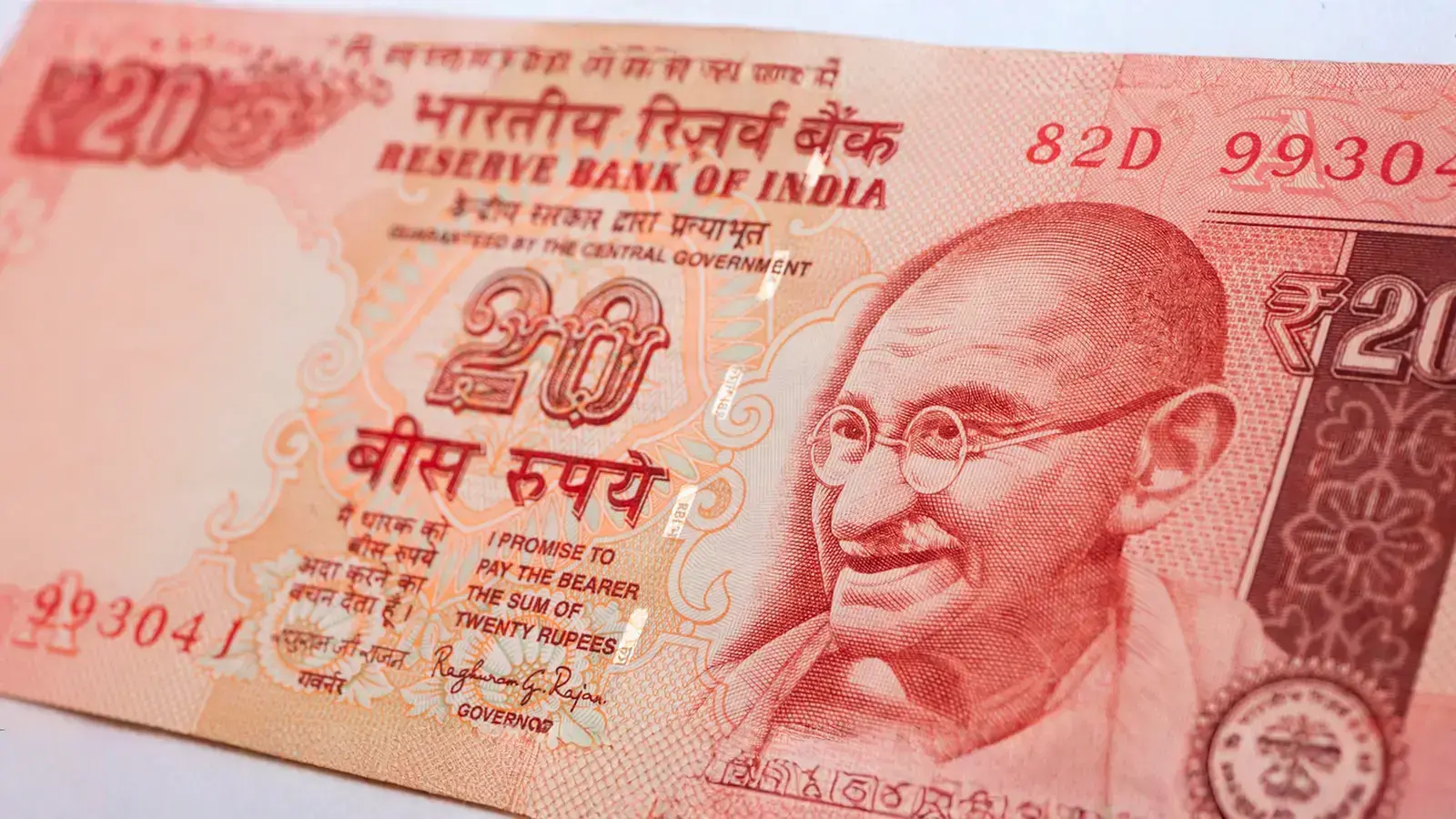
Indian Rupee Gains as RBI Imposes Position Limits
New Delhi, March 30 – The Indian rupee opened higher on Monday, reaching $93.59 against the US dollar, a gain of 1.3 per cent. The rupee’s rise was attributed to restrictions imposed by the Reserve Bank of India (RBI) on onshore position limits.RBI Caps Net Open Positions
The Reserve Bank of India (RBI) has instructed banks to limit their net open positions in rupees in the foreign exchange market. The central bank mandated that commercial banks must implement a daily cap of $100 million on their end-of-day open positions in the onshore rupee by April 10. The RBI has indicated it may adjust these limits based on evolving market conditions. Estimates suggest the magnitude of these positions ranges from $25 billion to over $50 billion.Rupee Decline and Market Concerns
In March, the rupee experienced a decline of more than 4 per cent amid geopolitical tensions. On Friday, the currency fell nearly 1 per cent to $94.8125, reaching $94.8400. Analysts cite concerns over elevated crude prices for a prolonged period as a key factor weighing on the currency and the broader macroeconomic outlook. Brent crude futures surged as much as 3.66 per cent to an intraday high of $116.70 per barrel, and US WTI futures stood at $103.38, up 3.75 per cent from the previous session.Macroeconomic Outlook Deteriorates
India’s previously favorable “Goldilocks” macroeconomic scenario – characterized by high growth, low inflation, and stable deficits – is weakening due to the ongoing conflict in the West Asia. Analysts now anticipate lower GDP growth, higher inflation, wider fiscal and current account deficits, and slower earnings growth in fiscal year 2027.Market Valuation and Sector Analysis
The Nifty’s trailing price-to-earnings (PE) ratio has declined to around 19.9 times, considered fair but not yet cheap. However, certain segments, particularly financials, remain attractively valued.RBI Action and Near-Term Outlook
The RBI’s move to cap net open positions is expected to provide near-term support to the rupee. Unwinding of large dollar positions could strengthen the currency in the short term. Sustained dollar demand and energy-led inflation risks are maintaining pressure on the rupee, requiring a meaningful correction in crude prices for a sustained positive bias.Disclaimer: Due care and diligence have been taken in compiling and presenting news and market-related content. However, errors or omissions may arise despite such efforts.
The information provided is for general informational purposes only and does not constitute investment advice, a recommendation, or an offer to buy or sell any securities. Readers are advised to rely on their own assessment and judgment and consult appropriate financial advisers, if required, before taking any investment-related decisions.
Any views, opinions, or statements expressed, where applicable, are those of the respective analysts or experts and do not reflect the views of this website. The website has no association with such viewpoints and does not assume any responsibility for them.