
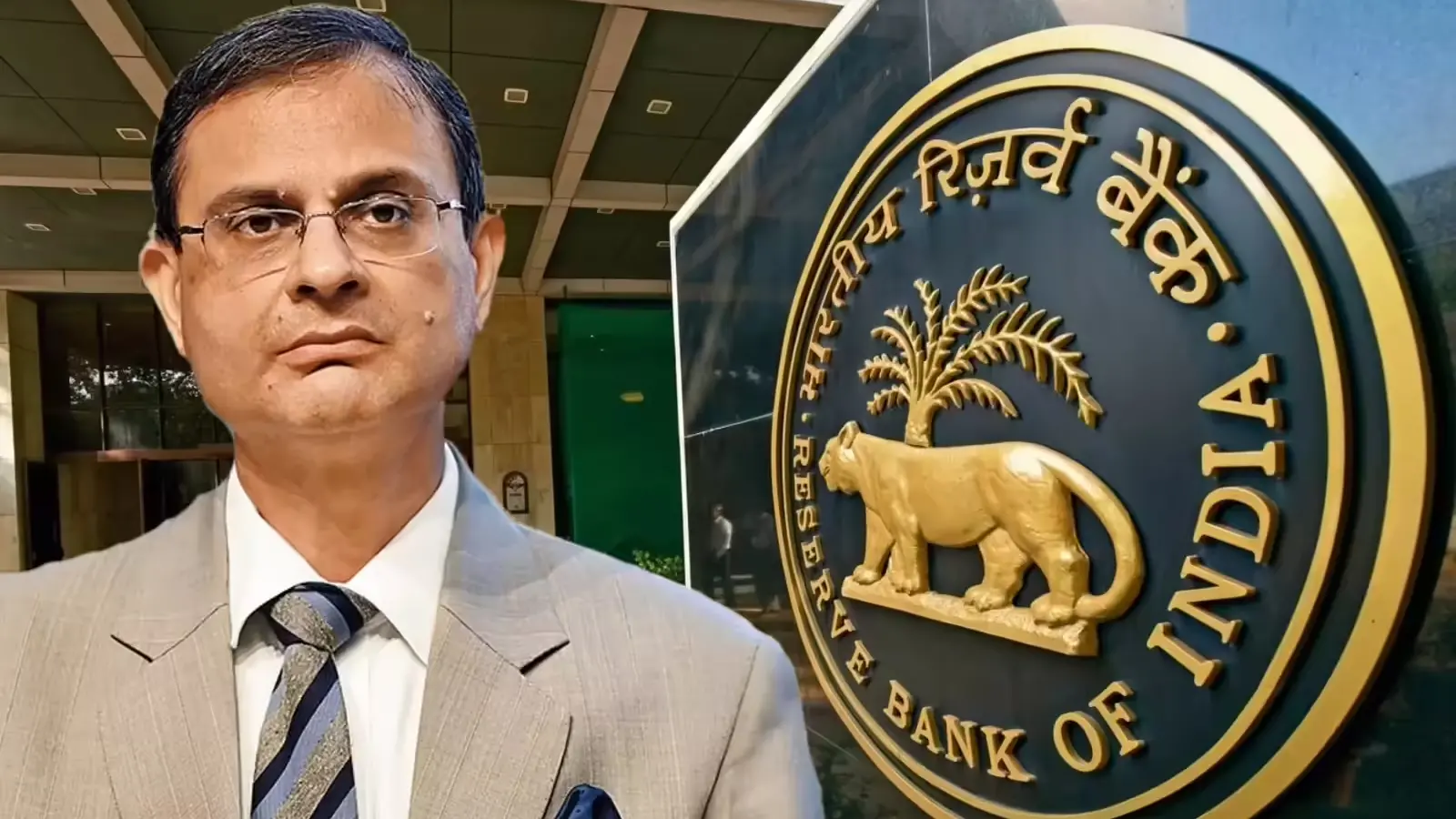
The Reserve Bank of India (RBI) has rejected the request made by banks seeking to spread provisions for anticipated Mark-to-Market (MTM) losses from their treasury operations in the fourth quarter. This development comes as banks were hoping to mitigate the dual impact of significant treasury losses and restrictions on net open positions (NoP) near the financial year-end.
Treasury heads of major banks had approached the regulator, citing external factors as the primary drivers of these losses. They argued that the hardening of government securities yields stemmed from the West Asia crisis. Furthermore, losses were attributed to the unwinding of positions following the sudden imposition of a $100-million cap on NoP.
Central Bank Refuses Deferment of Quarterly Losses
During the meeting, banks had specifically requested an extension to the April 10 deadline for implementing the $100 million NoP cap. However, sources indicate the RBI rejected this dispensation. The central bank's reasoning centered on maintaining fiscal integrity, refusing to allow the performance of one fiscal year to negatively impact the next.The market has experienced heightened uncertainty in the March quarter. Benchmark bond yields hardened sharply by 45 basis points, closing at 7.03%. Concurrently, the rupee fell 5% to close at 94.83 against the US dollar, and equity indices corrected by nearly 11%.
Industry Experts Anticipate Muted Treasury Gains
Given the volatile environment, industry experts predict that treasury portfolios are more likely to incur MTM pressures than generate substantial profits. VRC Reddy, treasury head at Karur Vysya Bank, noted that in such an environment, treasury portfolios typically face MTM pressures rather than profits.He stated that most banks are likely to report fairvalue losses, which are generally absorbed through Available for Sale (AFS) reserves. While treasury gains are expected to be muted in Q4, the actual extent of losses will vary significantly depending on the size and positioning of the trading portfolios across different banks.
Implications for Banking Profitability
Financial analysts are closely watching how these losses impact profitability predictions. IIFL Capital, in a research report, projected that banks would report profit after tax growth of only 5% year-on-year in Q4FY26. This subdued growth is expected due to a decline in the net interest margin following the December 2025 rate cut, compounded by lower treasury gains caused by the spike in bond yields.Reddy also cautioned that while some banks might face losses from unwinding Non-Deliverable Forward (NDF) positions, the current yield environment presents an opportunity. He noted that incremental funds can be deployed and reinvested at higher yields, which should support an improvement in interest income going forward.
Historical Context and Future Outlook
Historically, RBI did allow banks to spread provisions on MTM losses for investments held in Available for Sale (AFS) and Held for Trading (HFT) portfolios over four quarters in April 2018. That directive was issued after yields rose 67 basis points and bond prices fell.However, Reddy reiterated that treasury gains are likely to remain limited in the first quarter of the current fiscal period due to the prevailing hardening bias in yields. Banks are advised to manage these risks carefully as they move into the next fiscal period.
Disclaimer: Due care and diligence have been taken in compiling and presenting news and market-related content. However, errors or omissions may arise despite such efforts.
The information provided is for general informational purposes only and does not constitute investment advice, a recommendation, or an offer to buy or sell any securities. Readers are advised to rely on their own assessment and judgment and consult appropriate financial advisers, if required, before taking any investment-related decisions.
Any views, opinions, or statements expressed, where applicable, are those of the respective analysts or experts and do not reflect the views of this website. The website has no association with such viewpoints and does not assume any responsibility for them.