
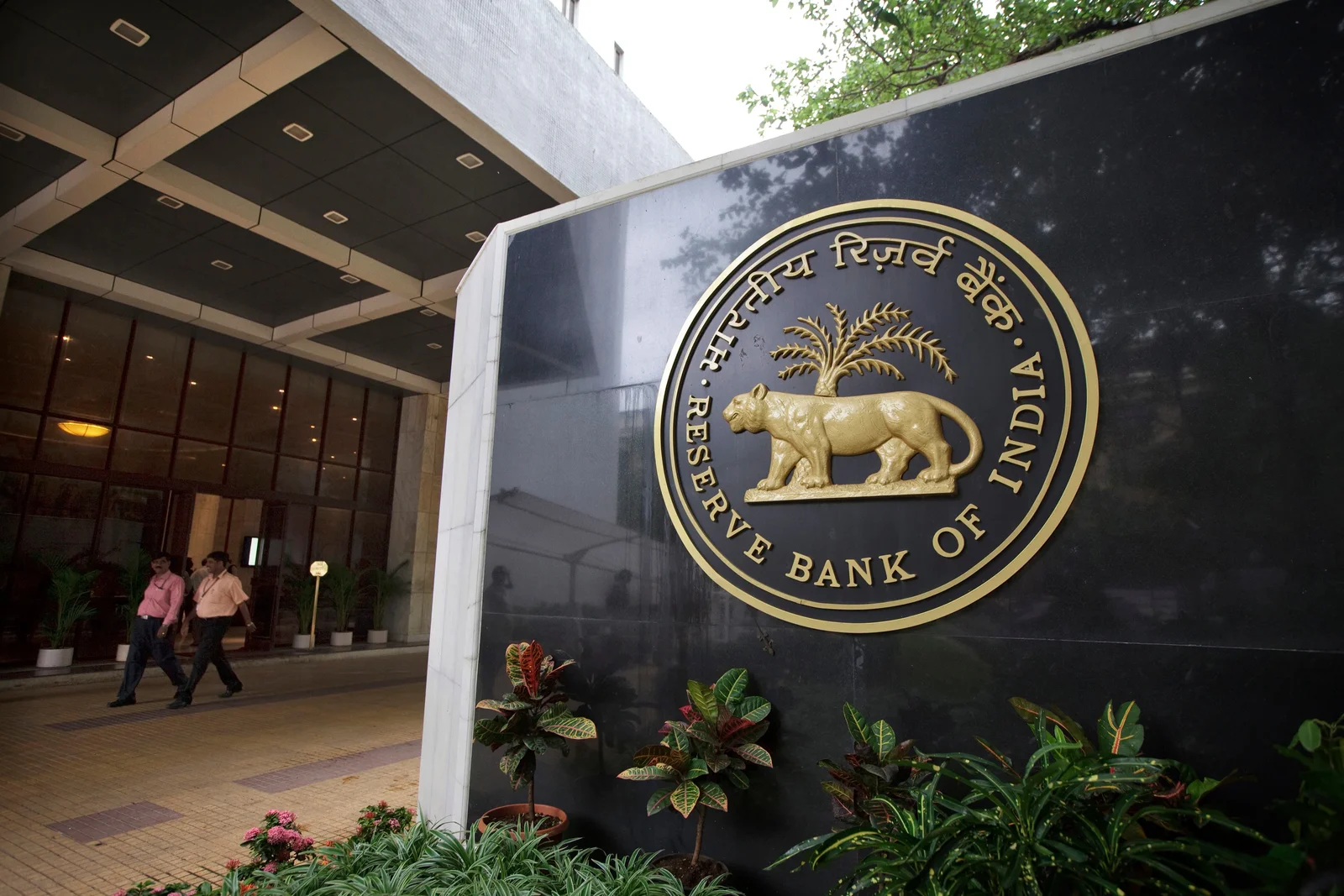
Major banks have substantially unwound their arbitrage positions in the offshore non-deliverable forwards (NDF) market. This significant deleveraging comes as most institutions exited their bets ahead of a critical deadline set by the Reserve Bank of India (RBI). Treasury officials confirmed that the market saw a quantum of positions wound up estimated between $30 billion and $40 billion.
However, despite the clearing of these speculative trades, market participants remain cautious. Underlying geopolitical uncertainty continues to loom, posing potential downward pressure on the Indian rupee.
Understanding the Mechanics of NDF Contracts
A Non-Deliverable Forward (NDF) is a financial instrument that settles a short-term forward contract on a non-convertible or restricted foreign currency. Unlike standard forward agreements involving the physical exchange of currencies, NDFs only settle the difference between the agreed rate and the actual market rate upon maturity.These contracts are vital when a currency is restricted by its home government, such as the rupee. They offer a crucial mechanism for multinational corporations (MNCs) to hedge against rupee fluctuations without establishing local bank accounts in India.
The Impact of Deleveraging on the Indian Rupee
The recent unwinding of arbitrage positions has contributed to an appreciation in the local currency. Indeed, the rupee had gained nearly 2 percent over the last seven trading sessions following the bank activities.Private banks initiated the unwinding process first, followed by Public Sector Unit (PSU) banks. A private bank dealer noted that most of these positions have now been cleared, stating there are currently no open positions in the NDF market.
Regulatory Action Dampens Speculative Leverage
The RBI previously introduced stringent measures to curb excessive speculation within the offshore NDF market. These guidelines aimed to clamp down on heavy speculation observed in the arbitrage market.A prominent directive was the RBI guideline issued on March 27, which mandated that the net open position for the rupee must remain within $100 million for banks at the close of each business day.
These regulatory actions were reiterated by the RBI on April 8. The measures were described as temporary, as authorities had previously identified speculative positions accumulating in March.
Disclaimer: Due care and diligence have been taken in compiling and presenting news and market-related content. However, errors or omissions may arise despite such efforts.
The information provided is for general informational purposes only and does not constitute investment advice, a recommendation, or an offer to buy or sell any securities. Readers are advised to rely on their own assessment and judgment and consult appropriate financial advisers, if required, before taking any investment-related decisions.
Any views, opinions, or statements expressed, where applicable, are those of the respective analysts or experts and do not reflect the views of this website. The website has no association with such viewpoints and does not assume any responsibility for them.