
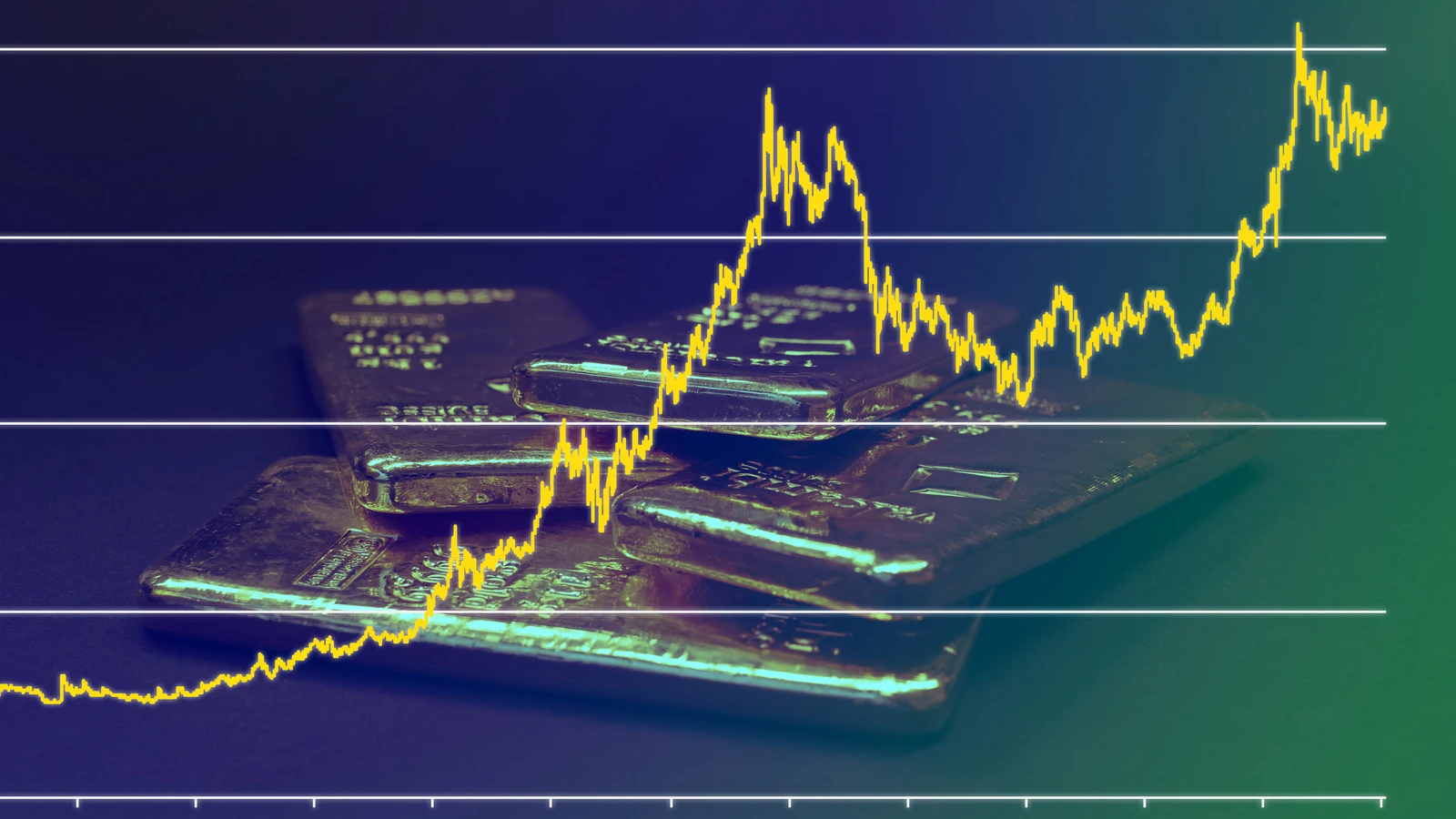
Gold Imports Rise to USD 50 Billion in April to December
New Delhi, February 23: Finance Minister Nirmala Sitharaman on Monday said that the recent surge in gold prices is largely driven by significant purchases by central banks across the world. She added that while India’s gold imports are being closely monitored by the government and the Reserve Bank of India, they have not reached alarming levels.During the April to December period last year, India’s gold imports in value terms rose by around USD 1 billion on an annual basis, touching USD 50 billion. The country remains a net importer of gold to meet domestic demand, both for investment and jewellery purposes.
Sudden January Spike Under Analysis
Reserve Bank of India Governor Sanjay Malhotra noted that January witnessed a sudden increase in both the value and volume of gold imports. He said the central bank is currently analysing the data to assess the implications.According to Malhotra, the rise in gold prices during April to December 2025 was largely balanced by a decline in the volume of imports during the same period. However, January presented a different trend, with a simultaneous rise in value as well as volume.
He attributed the fluctuation partly to seasonality and variations in demand patterns.
No Undue Concern Over External Sector Stability
Addressing reporters after the 621st meeting of the Central Board of Directors of the Reserve Bank of India, Sitharaman said gold has traditionally been a preferred investment option for Indian households. She pointed out that demand typically rises during festival periods such as Akshaya Tritiya.She emphasized that although the government is closely observing import trends, the levels have not crossed concerning thresholds given the country’s historical preference for gold investment.
Governor Malhotra said the RBI is not unduly concerned about the situation, highlighting that India’s external sector remains robust. He stated that the current account deficit continues to be manageable and is projected to remain within or around 1 percent of GDP.
RBI Board Reviews Global and Domestic Economic Landscape
Earlier in the day, Sitharaman addressed the 621st meeting of the Central Board of Directors of the Reserve Bank of India under the chairmanship of Sanjay Malhotra.The board reviewed the global and domestic economic environment, taking into account geopolitical developments and financial market volatility. The Finance Minister also outlined the strategic vision of the Union Budget 2026 to 27, inspired by the three Kartavyas, and detailed expectations from the financial sector toward achieving the goal of Viksit Bharat.
Board members expressed appreciation for the Budget and shared their views during the meeting.
Key Officials Present at the Meeting
Sitharaman was accompanied by Minister of State for Finance Pankaj Chaudhary, Department of Investment and Public Asset Management Secretary Arunish Chawla, Department of Expenditure Secretary V Vualnam, Department of Revenue Secretary Arvind Shrivastava, and Chief Economic Adviser V Anantha Nageswaran.Deputy Governors T Rabi Sankar, Swaminathan J., Poonam Gupta, and Shirish Chandra Murmu were also present, along with Department of Financial Services Secretary Nagaraju Maddirala and Department of Economic Affairs Secretary Anuradha Thakur.
Other directors attending the meeting included Satish K. Marathe, S Gurumurthy, Revathy Iyer, Sachin Chaturvedi, Venu Srinivasan, Pankaj Ramanbhai Patel, and Ravindra H. Dholakia.
The developments around gold prices and imports are likely to remain under close watch as global central bank buying and domestic seasonal demand continue to influence trends in the precious metals market.
Disclaimer: Due care and diligence have been taken in compiling and presenting news and market-related content. However, errors or omissions may arise despite such efforts.
The information provided is for general informational purposes only and does not constitute investment advice, a recommendation, or an offer to buy or sell any securities. Readers are advised to rely on their own assessment and judgment and consult appropriate financial advisers, if required, before taking any investment-related decisions.