
Japan's 10-year government bond yield climbed to its highest level since 1997. The sharp rise followed escalating tensions in the Middle East after President Donald Trump announced the US would begin a full naval blockade of the strategic Strait of Hormuz.
The benchmark rate rose 5.5 basis points to 2.49% in Tokyo on Monday. Ten-year bond futures saw a drop of up to 55 ticks, settling at 129.27. Meanwhile, the five-year yield gained 4 basis points, reaching 1.9%.
Weekend diplomatic negotiations between Washington and Tehran failed to secure a deal to end the conflict in Iran. This setback dashed hopes that a fragile ceasefire could hold through the previous week.
Middle East Tensions Fuel Inflationary Pressure in Japan
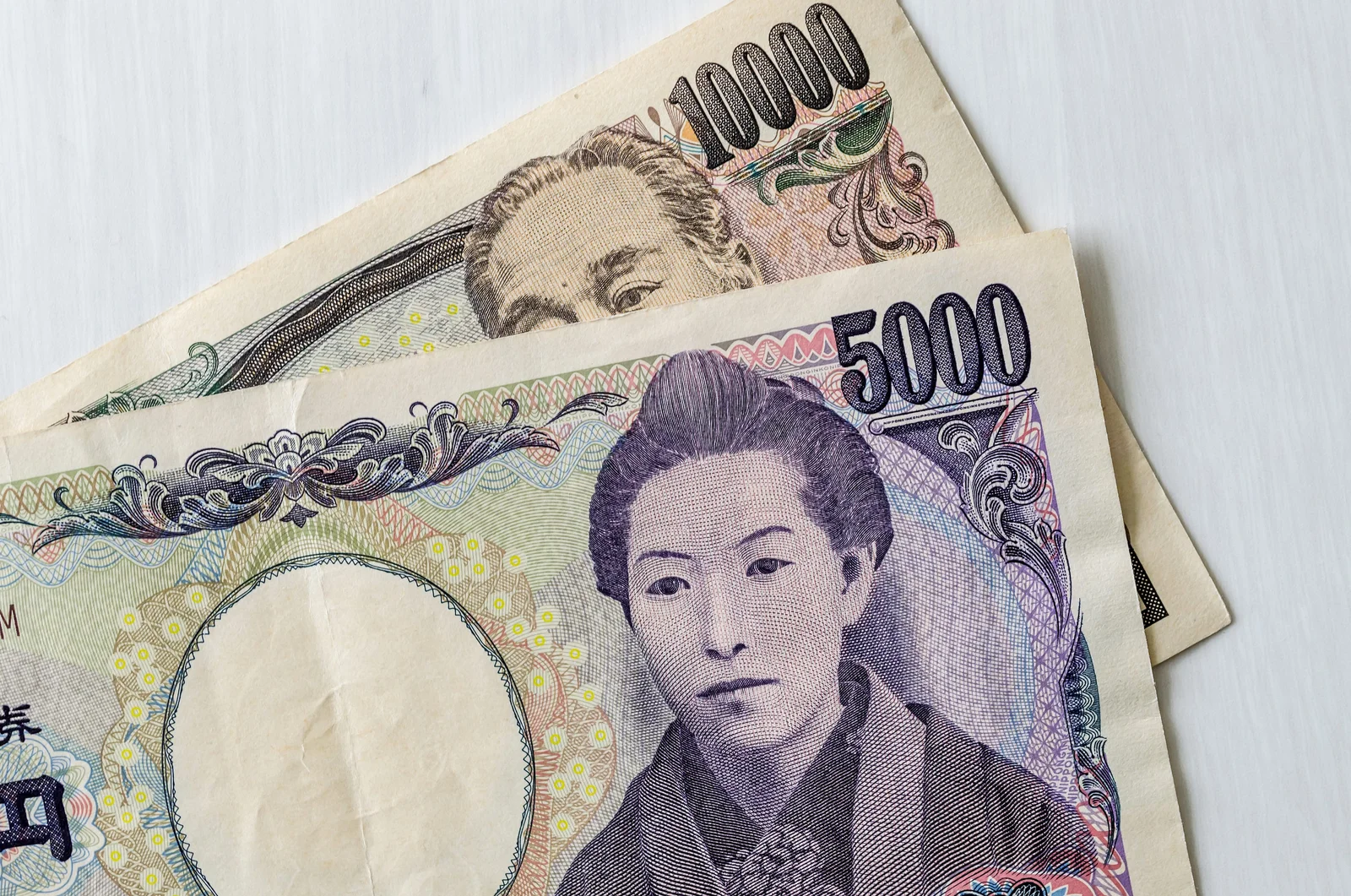
The renewed geopolitical tensions have pushed oil prices higher. This development adds significant inflationary pressure to Japan. The nation is particularly vulnerable due to its heavy reliance on energy imports from the Middle East.Compounding the inflationary risks is the persistent weakness of the Japanese yen. This depreciation is driving up the cost of necessary imports. The currency is once again approaching the 160-per-dollar level.
Japanese officials are issuing stronger verbal warnings regarding this currency movement. Finance Minister Satsuki Katayama indicated that authorities are prepared to take action on all fronts in the markets. This preparedness considers the impact of currency moves on both households and the broader economy.
Market Outlook: Scrutiny on Bank of Japan's Monetary Policy
The heightened Middle East tensions have increased the likelihood that the Bank of Japan will not implement a rate hike at its April meeting. This view was shared by Rinto Maruyama, a senior FX and rates strategist at SMBC Nikko Securities Inc.Maruyama suggested that if authorities do not make statements this week to guide the market toward pricing in a rate hike, yields may continue to rise. He warned that the market could anticipate a "behind the curve" scenario.
Market data suggests significant anticipation for future monetary policy shifts. Overnight index swaps imply approximately a 54% probability of a rate hike occurring by April. Furthermore, the market has fully priced in a 25-basis-point increase by July.
Disclaimer: Due care and diligence have been taken in compiling and presenting news and market-related content. However, errors or omissions may arise despite such efforts.
The information provided is for general informational purposes only and does not constitute investment advice, a recommendation, or an offer to buy or sell any securities. Readers are advised to rely on their own assessment and judgment and consult appropriate financial advisers, if required, before taking any investment-related decisions.
Any views, opinions, or statements expressed, where applicable, are those of the respective analysts or experts and do not reflect the views of this website. The website has no association with such viewpoints and does not assume any responsibility for them.