
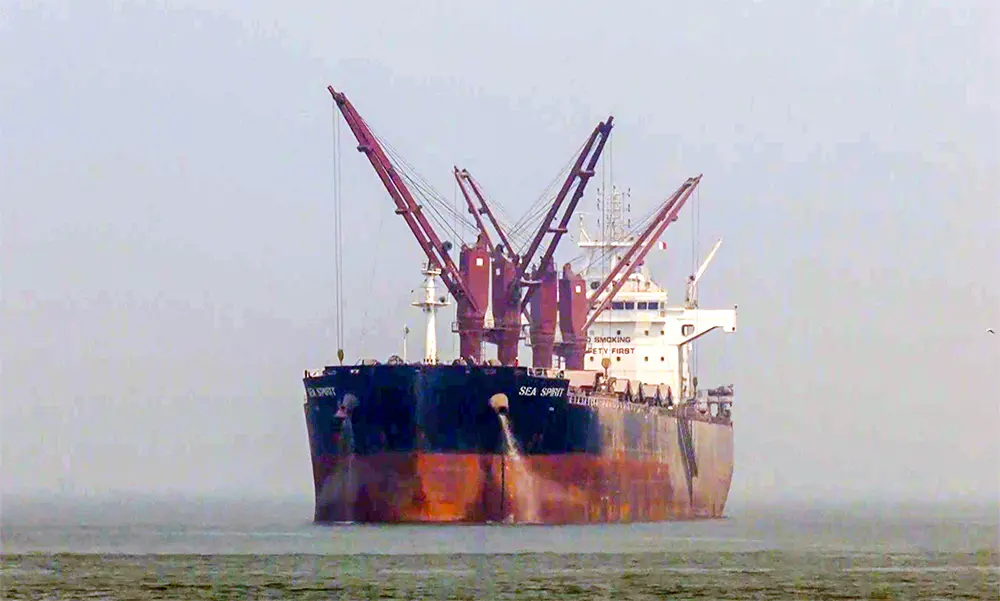
The international shipping corridor known as the Strait of Hormuz is currently a flashpoint of geopolitical tension. This critical chokepoint accounts for 20% of the world's vital oil and gas supplies. Amid escalating global disputes, Iran has strongly refuted allegations of charging tolls on Indian vessels.
Iran's Ambassador to India, Mohammad Fathali, categorically dismissed the claims, asserting that the Indian government can verify the lack of charges. His statement effectively counters ongoing accusations that Tehran is attempting to levy fees on passing Indian ships.
Iran Rebuts Toll Charges for Indian Vessels
Speaking during a press briefing, Fathali directly addressed the allegations of illegal toll collection. He emphasized that no charges have been implemented on vessels from India. This denial aligns with New Delhi's established position, which has consistently rejected the need to pay any fees for safe transit.The focus remains on the ongoing passage of commercial carriers. Despite the heightened risk, the safe movement of Indian vessels, including nine LPG carriers, remains a key point of discussion among regional stakeholders.
Global Shipping Stakes: US Blockade Threat Looms
The tension is framed against the backdrop of a potential US-led blockade. United States President Donald Trump has threatened action against any vessel found paying transit money to Iran. These payments have been labeled by the US as "illegal world extortion."These potential US actions threaten to severely disrupt one of the planet's most critical energy corridors. Washington's move to prohibit payments to Tehran marks a significant escalation in the regional conflict dynamics.
India-Iran Ties and Strategic Cooperation
During the press briefing, Fathali extended gratitude to both the Indian government and its citizens. He characterized India as a "reliable and compassionate partner" during a time of intense regional hardship.Fathali highlighted the strong and favorable strategic interests shared between New Delhi and Tehran. Despite the geopolitical pressures, he noted the continued "good relations" between the two nations.
The crisis has resulted in nearly 15 India-flagged vessels remaining stranded in the Persian Gulf due to prevailing ongoing shipping restrictions.
Focus on Humanitarian Concerns
Shifting focus, Fathali provided a stark account of the humanitarian situation within Iran. He reported a grim tally of over 3,700 people killed and more than 30,000 injured over the last 40 days.He specifically pointed to systematic damage across essential civilian infrastructure. This includes severe impact on hospitals, schools, transport networks, and local energy facilities, underscoring the challenges faced by the Iranian populace.
Disclaimer: Due care and diligence have been taken in compiling and presenting news and market-related content. However, errors or omissions may arise despite such efforts.
The information provided is for general informational purposes only and does not constitute investment advice, a recommendation, or an offer to buy or sell any securities. Readers are advised to rely on their own assessment and judgment and consult appropriate financial advisers, if required, before taking any investment-related decisions.
Any views, opinions, or statements expressed, where applicable, are those of the respective analysts or experts and do not reflect the views of this website. The website has no association with such viewpoints and does not assume any responsibility for them.