
Amid continuous geopolitical developments in West Asia, the Government of India has maintained a high degree of operational vigilance. Key sectors, including energy, logistics, and maritime operations, are showing stability through proactive government measures. This comprehensive update details the strategies deployed to ensure uninterrupted supply and the sustained welfare of Indian citizens both at home and abroad.
Ensuring Fuel Security and Managing LPG Supply
The Petroleum and Natural Gas Ministry addressed concerns regarding the supply chain, emphasizing that measures are in place to safeguard critical petroleum products. Officials advised citizens to avoid panic purchases of petrol, diesel, and LPG, assuring the public that all efforts are being made to ensure availability. Citizens are strongly encouraged to adopt alternate fuels such as PNG and electric or induction cooktops.Despite the ongoing geopolitical environment, the government ensured 100% supply of Domestic LPG, Domestic PNG, and CNG (Transport). Supply management measures included enhancing refinery production and increasing the booking interval for urban areas from 21 to 25 days. Furthermore, alternative fuels like kerosene and coal have been made available to ease demand pressure on LPG.
Strategic Push for PNG and Natural Gas Connectivity
The transition toward cleaner energy sources remains a top priority, with a massive push for PNG adoption. Since March 2026, approximately 4.40 lakh PNG connections have been gasified, and 4.88 lakh additional customers registered for new connections. States/UTs have been urged to expedite approvals for PNG networks, with incentives offered for commercial establishments like hotels and restaurants.This concerted effort is being formalized by the Gazette notification of the Natural Gas and Petroleum Products Distribution Order, 2026. This framework aims to streamline pipeline laying and expansion, accelerating last-mile connectivity. To support this transition, the government offered an additional 10% commercial LPG allocation to States/UTs linked to adopting PNG reforms.
Resilience in Port Operations and Retail Pricing
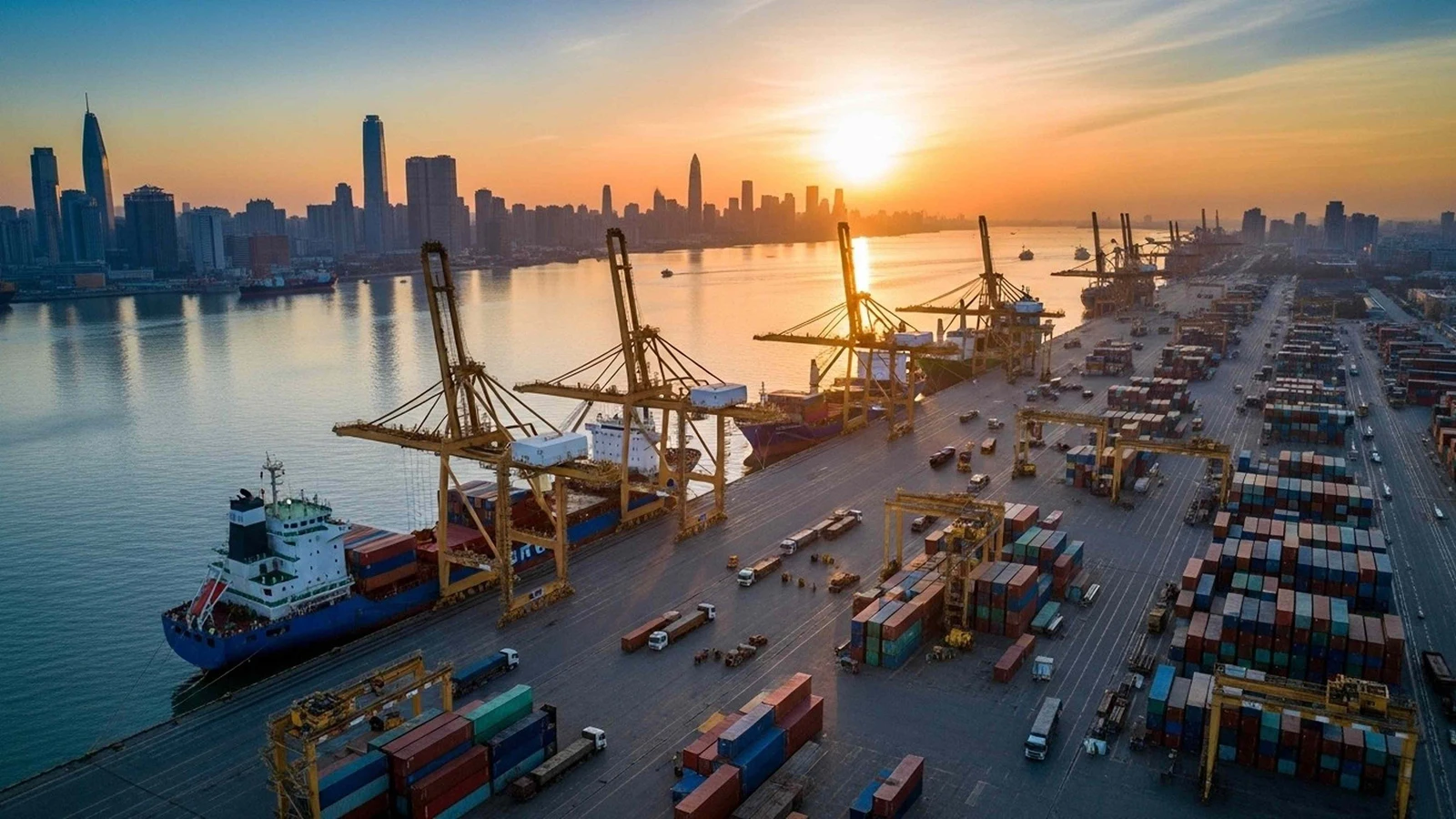
Logistical stability remains robust, with port operations across India continuing normally and reporting no congestion. However, amid the global crude price fluctuations resulting from the Middle East crisis, the government introduced protective measures for consumers.To shield the average consumer, the government reduced the excise duty on petrol and diesel by ₹10 per litre. Meanwhile, the export levy on diesel was increased to Rs. 55.50 per litre and on ATF to Rs. 42 per litre, securing domestic availability. The government also allocated additional 48,000 KL of kerosene to States/UTs.
Managing LPG Allocation and Awareness Drives
The distribution of LPG remains a focus area, with total commercial LPG allocation increased to about 70% of pre-crisis levels. The government doubled the daily quantity of 5 Kg FTL cylinders available for migrant laborers. Since 23rd March 2026, over 14.3 Lakh - 5 Kg FTL cylinders have been sold, supported by over 4450 awareness camps organized by PSU OMCs.On 13.04.2026, a total of 1.31,645 MT of Commercial LPG was sold across the country. Simultaneously, State Governments are reiterating their role in monitoring essential commodities, conducting numerous raids—with over 2,950 conducted on 13.04.2026—to curb hoarding and black marketing.
Global Welfare and Maritime Safety Protocols
In response to the evolving West Asia situation, the Ministry of External Affairs continued high-level discussions with foreign ministers from Kuwait, Israel, Singapore, and Australia. This ensures continuous coordination regarding the safety and well-being of the Indian diaspora.Indian Missions and Posts are operating round-the-clock helplines, proactively assisting Indian nationals across the region. Meanwhile, the Ministry of Ports, Shipping and Waterways confirms that all Indian seafarers are safe, and DG Shipping has successfully facilitated the repatriation of over 2,262 Indian seafarers.
Future Growth Pillars: CBG and Infrastructure
To boost the clean energy transition, the government released a model draft State CBG Policy. This model is designed to enable States to build their own investor-friendly ecosystem for Compressed Biogas development. The National PNG Drive 2.0 has also been extended until 30.06.2026 to sustain momentum in developing gas infrastructure. These comprehensive policy moves underscore a long-term focus on India's self-reliant energy future.Disclaimer: Due care and diligence have been taken in compiling and presenting news and market-related content. However, errors or omissions may arise despite such efforts.
The information provided is for general informational purposes only and does not constitute investment advice, a recommendation, or an offer to buy or sell any securities. Readers are advised to rely on their own assessment and judgment and consult appropriate financial advisers, if required, before taking any investment-related decisions.
Any views, opinions, or statements expressed, where applicable, are those of the respective analysts or experts and do not reflect the views of this website. The website has no association with such viewpoints and does not assume any responsibility for them.