
US-Iran Talks Stall: Expert Details Three 'Sticking Issues' Keeping Peace Talks in Limbo
Analysis of High-Level US-Iran Diplomatic Dialogue
Foreign Affairs expert and veteran journalist Waiel Awwad stated that the recent talks between Iran and the US, held amid a two-week ceasefire agreement, were more accurately described as "inconclusive" rather than a "failure." His comments follow the announcement by US Vice-President JD Vance that no final agreement was reached during the latest round of discussions in Islamabad, Pakistan.Awwad noted the significance of the engagement, suggesting it represented the "highest level of talks" since 1949. These discussions involved the US Vice-President meeting with the Iranian delegation to deliberate matters of mutual interest.
Key Points of Negotiation and Stalemate
The expert clarified that characterizing the meeting as a failure is inaccurate, as neither the Iranian nor the American side claimed such a status. He pointed out that certain common ground was established, noting that Iran presented 10 points while the US put forward 15 points for consideration.Awwad observed a dynamic where the US appeared keen to project an image of victory during negotiations. He relayed that Iran counteracted this narrative, stating that the US was "not a winner here."
The Three Critical Hurdles in Ceasefire Negotiations
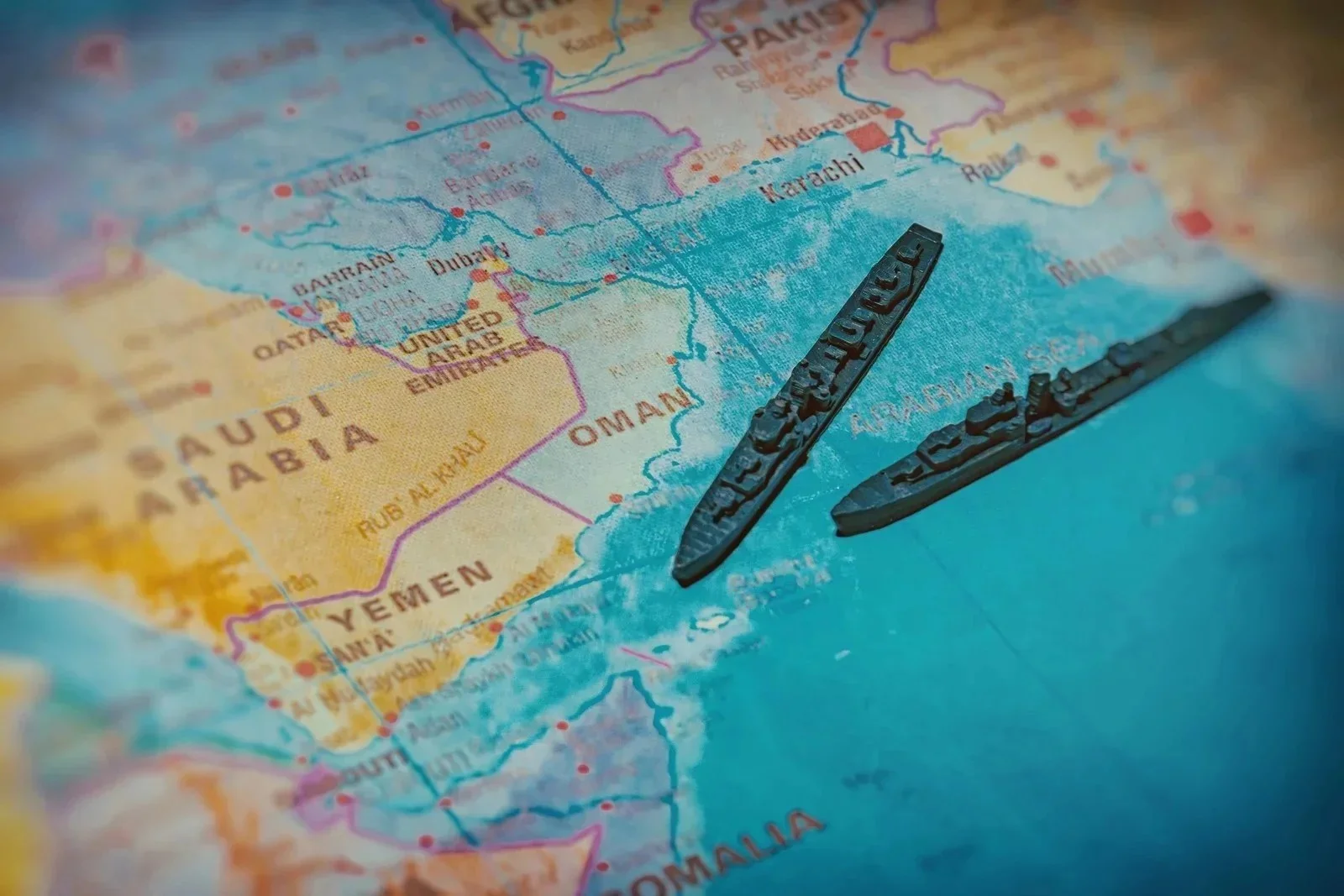
According to Awwad, three specific issues remain central to the ongoing ceasefire talks. The first hurdle concerns the nuclear issue, noting that Iran has already modified its existing system.The second sticking point identified is the Strait of Hormuz. Awwad mentioned that Iran indicated the situation there has changed from what it was prior to the war.
The third critical element involves the cessation of all hostilities, calling for a complete, rather than temporary, ceasefire.
Assessment of Regional Players' Roles
Regarding Pakistan's involvement in the negotiations, the expert cautioned that the nation is not currently positioned to "enforce a resolution or a deal."Awwad stressed that for the US to genuinely achieve a deal, a mutual compromise on numerous issues is essential, particularly given that Iran has shown flexibility regarding its nuclear concerns.
Review of Past US-Iran Engagement History
Referring back to the third round of US-Iran indirect nuclear talks held in Geneva, Awwad recalled that the US had been informed of Iran's readiness to negotiate on downgrading its rich uranium.He alleged that the US President Donald Trump's special envoy, Steve Witkoff, returned to America with inaccurate intelligence, despite confirmations from the Omani and Britain National Security Advisers that the talks had reached a breakthrough.
The journalist concluded with a strong assertion regarding Iranian resilience, stating that "Iranians are not easy to be betrayed three times by the same people."
Disclaimer: Due care and diligence have been taken in compiling and presenting news and market-related content. However, errors or omissions may arise despite such efforts.
The information provided is for general informational purposes only and does not constitute investment advice, a recommendation, or an offer to buy or sell any securities. Readers are advised to rely on their own assessment and judgment and consult appropriate financial advisers, if required, before taking any investment-related decisions.
Any views, opinions, or statements expressed, where applicable, are those of the respective analysts or experts and do not reflect the views of this website. The website has no association with such viewpoints and does not assume any responsibility for them.