
AI Optimism Lifts Korean Stocks as Won Weakness Concerns Rise Amid $110 Oil Crisis
Seoul, April 6 – South Korean stocks posted a strong rally on Monday morning, fueled by optimistic expectations surrounding Samsung Electronics’ first-quarter earnings guidance this week and heightened excitement within the artificial intelligence (AI) industry. However, this bullish market performance was set against a backdrop of significant currency pressure and global energy volatility.Semiconductors Lead Market Surge
The momentum was evident on the benchmark Korea Composite Stock Price Index (KOSPI), which rose 116 points, or 2.16 percent, to 5,493.3 as of 11:20 am local time, according to Yonhap news agency.Investor focus remains sharply on Samsung Electronics, which is scheduled to release its preliminary first-quarter report on Tuesday. Market participants anticipate that operating profits could surpass the 40 trillion-won (US$26.4 billion) mark, driven by robust demand for premium memory chips.
This optimism was mirrored across key market sectors:
- Semiconductor Leaders: Market leader Samsung Electronics surged 4.03 percent, while chip giant SK Hynix soared 2.28 percent.
- Battery and Auto: Battery makers also gained ground, with LG Energy Solution climbing 4.52 percent, and Samsung SDI increasing 5.36 percent. Auto stocks moved up as well, with Hyundai Motor rising 0.42 percent and its sister company Kia gaining 1.73 percent.
- Oil Refiners: Global market volatility provided a boost to oil refiners, with SK Innovation adding 3.13 percent, and S-Oil rising 6.64 percent.
Geopolitical Threats Weaken the Korean Won
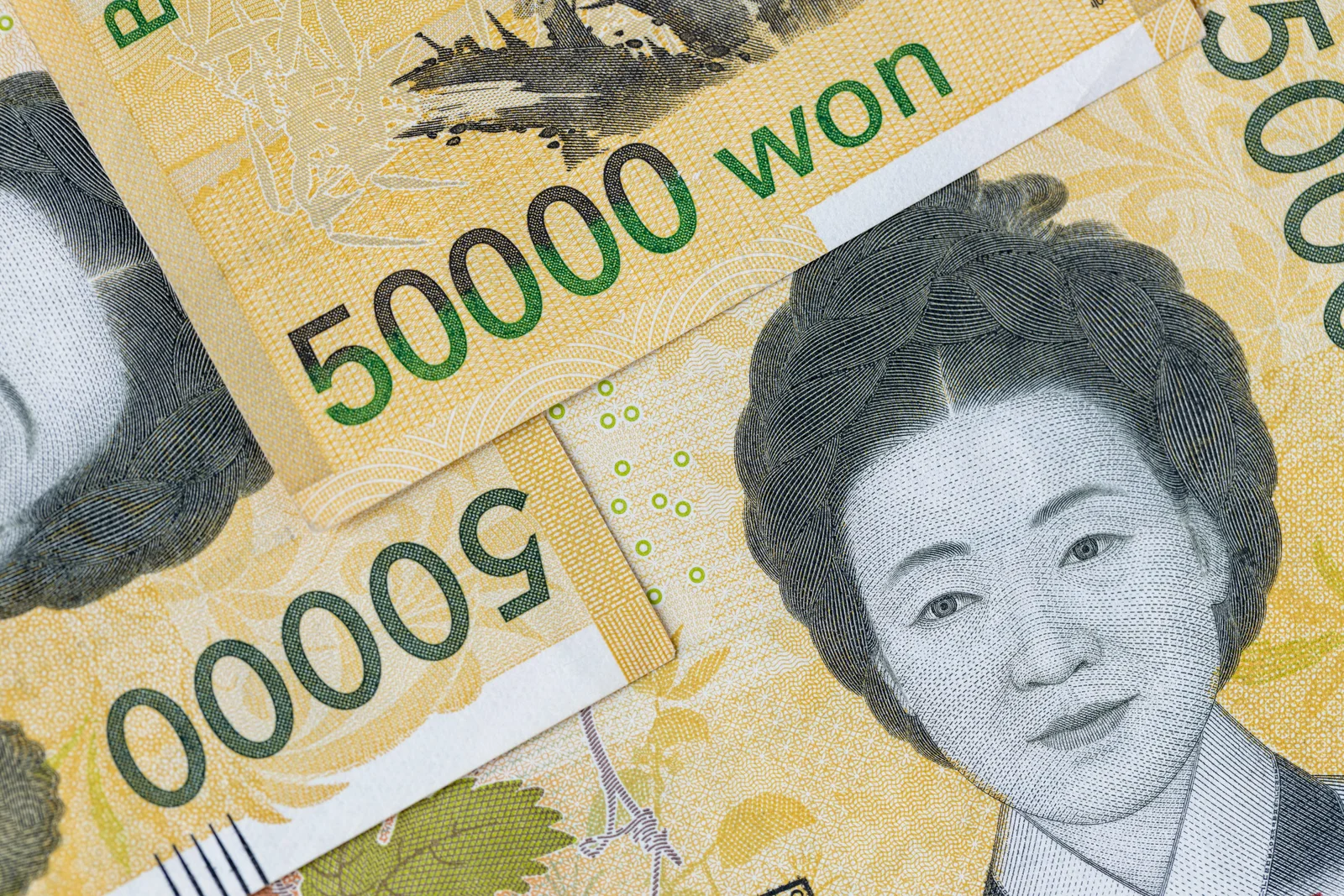
Despite the strong stock performance, the South Korean won weakened against the US dollar. This decline was directly triggered by US President Donald Trump’s renewed threats to strike Iranian energy facilities and bridges if the Strait of Hormuz is not reopened, while setting a new deadline for action.The won opened at 1,510.3 per dollar, representing a decline of 5.1 won from the previous session's close. The currency has shown heightened volatility in recent sessions, remaining below the psychological 1,500 won level.
Oil Spike Drives Inflation Fears and Currency Stress
The underlying cause of the currency's vulnerability is the escalating geopolitical tension in the Middle East. The war, which began in late February, has driven up global oil prices, pushing both Brent and West Texas Intermediate (WTI) above US$110 per barrel due to supply concerns.The higher oil prices immediately put pressure on the won. This pressure stems from the increased demand for dollars required to cover crude imports, as South Korea relies heavily on imported energy.
The instability was highlighted by the dollar index, which surged to as high as 100.275 on Monday, reflecting heightened global financial anxiety linked to the conflict and the associated energy cost increases.
Disclaimer: Due care and diligence have been taken in compiling and presenting news and market-related content. However, errors or omissions may arise despite such efforts.
The information provided is for general informational purposes only and does not constitute investment advice, a recommendation, or an offer to buy or sell any securities. Readers are advised to rely on their own assessment and judgment and consult appropriate financial advisers, if required, before taking any investment-related decisions.
Any views, opinions, or statements expressed, where applicable, are those of the respective analysts or experts and do not reflect the views of this website. The website has no association with such viewpoints and does not assume any responsibility for them.