
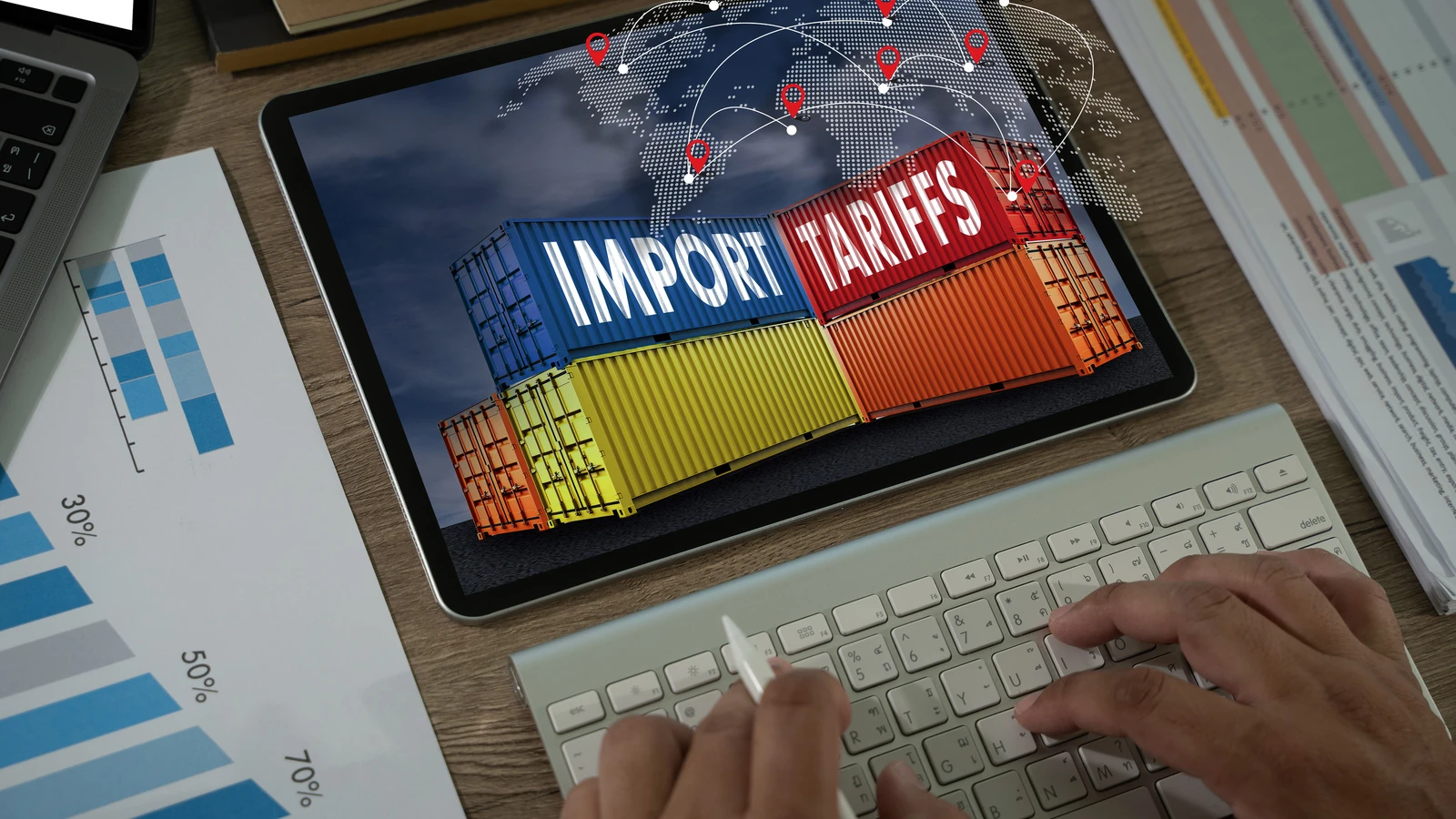
The US Department of Commerce has announced significant countervailing duties on solar cells and panels imported from companies operating in India, Indonesia, and Laos. The move aims to counteract government subsidies that US officials say have made American solar products uncompetitive in the domestic market.
Commerce Department Backs US Solar Manufacturers
In its decision released Tuesday, the US Department of Commerce concluded that companies in the three countries benefited from government subsidies that distorted competition in the American solar sector. The ruling aligns with domestic solar manufacturers who have long argued that subsidized imports undermine investments in US-based production.This action marks the latest development in a decade-long effort by US authorities to curb what they describe as unfairly traded solar imports from Asia, particularly those linked to Chinese production networks.
Subsidy Rates Cross 100 Percent for Some Imports
According to a fact sheet published by the Commerce Department, the agency calculated the following general subsidy rates:- India: 125.87 percent
- Indonesia: 104.38 percent
- Laos: 80.67 percent
- Mundra Solar in India: 125.87 percent
- PT Blue Sky Solar in Indonesia: 143.3 percent
- PT REC Solar Energy in Indonesia: 85.99 percent
- Solarspace Technology Sole Co in Laos: 80.67 percent
- Vietnam Sunergy Joint Stock Company in Laos: 80.67 percent
$4.5 Billion in Imports Under Scrutiny
Government trade data shows that in the past year, imports from India, Indonesia, and Laos totaled approximately $4.5 billion, representing nearly two-thirds of total US solar imports in 2025.The decision follows earlier trade actions that disrupted supply chains across Southeast Asia. Imports from Malaysia, Vietnam, Thailand, and Cambodia had previously declined sharply after steep tariffs were finalized last year in a related trade case. Those countries had earlier dominated US solar imports.
Trade Case Led by US Manufacturing Alliance
The investigation was initiated last year following a petition by the Alliance for American Solar Manufacturing and Trade. The group represents a segment of the US solar manufacturing industry and includes:- Hanwha Qcells of South Korea
- First Solar based in Arizona
- Mission Solar based in San Antonio and owned by OCI Holdings of Korea
Tim Brightbill, lead attorney for the Alliance, described the ruling as an important step toward restoring fair competition. He stated that American manufacturers are investing heavily to rebuild domestic capacity and create jobs, and those efforts could be undermined by unfairly traded imports.
Companies React to Ruling
Solarspace, a company based in China with operations in Laos, expressed disappointment with the assigned duty rate. Attorney Matthew Nicely said the rate does not reflect the company’s actual experience or a realistic comparison.Other companies affected by the ruling were not immediately available for comment through their US legal representatives.
More Decisions Expected in Solar Trade Investigation
The Commerce Department indicated that this is the first of two anticipated announcements in the trade case. A separate decision is expected next month to determine whether companies from India, Indonesia, and Laos sold solar products in the US at prices below their cost of production.A final determination in the countervailing duty investigation is expected in July.
The outcome of these proceedings could further reshape global solar trade flows, particularly as the US continues efforts to strengthen domestic manufacturing while managing its reliance on imported clean energy components.
Disclaimer: Due care and diligence have been taken in compiling and presenting news and market-related content. However, errors or omissions may arise despite such efforts.
The information provided is for general informational purposes only and does not constitute investment advice, a recommendation, or an offer to buy or sell any securities. Readers are advised to rely on their own assessment and judgment and consult appropriate financial advisers, if required, before taking any investment-related decisions.