
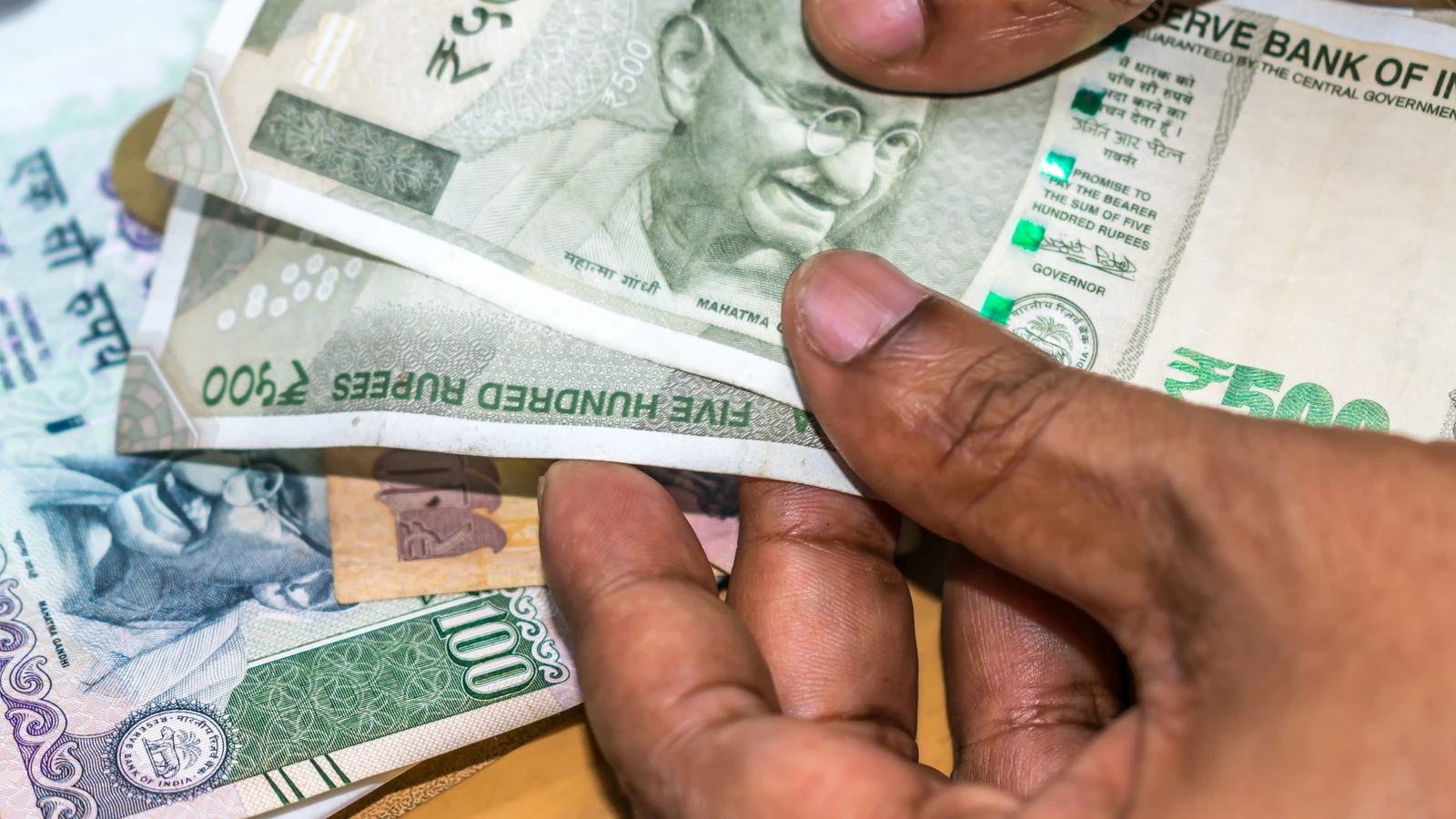
The Indian rupee opened marginally higher against the US dollar on April 15, reversing a trend of decline that spanned three straight sessions. The renewed optimism surrounding possible US-Iran peace talks significantly lifted global risk sentiment, bolstering support for major emerging market currencies.
At the open, the rupee was trading at 93.22 against the dollar, marking a gain of 0.17 percent from its previous close of 93.38. Early trading saw the domestic currency move in a tight range of 93.17 to 93.22, indicating a cautious bullish tone among traders.
Geopolitical Shifts Drive Rupee Rally
Global trade dynamics and shifting geopolitical tensions remain the primary catalysts for the rupee's movement. Finrex noted that while Middle East tensions, particularly the blockade of Iranian ports and the Strait of Hormuz, pose enduring risks, renewed dialogue has provided immediate support.The anticipation following President Donald Trump announcing a second round of talks with Iran was key, successfully supporting overall risk assets. This positive shift helped lift global sentiment, despite the dollar index climbing slightly to 98.212, up 0.10 percent from 98.124.
Fundamentals and Commodity Correlation Take Center Stage
As major market participants continue to factor out the impact of the Reserve Bank of India’s recent measures, focus is rapidly shifting back to core fundamentals. The rupee has once again begun tracking crude oil prices, according to Finrex.The broader market appears to have already priced in actions such as foreign exchange position caps and arbitrage unwinding. Meanwhile, the drop in Brent crude, which fell to around $94 per barrel, alongside the easing of the dollar index, offered crucial support to the rupee's movement.
Market Outlook and Key Trading Levels
Analysts suggest the rupee is likely to remain range-bound in the immediate term. However, traders are keenly awaiting India’s comprehensive March trade data, which is widely expected to reveal a wider deficit.Finrex has pinpointed clear technical boundaries for the currency. Importers are expected to maintain buying support on dips towards 92.75, while exporters are anticipated to be selling any spot exposures above the 93.35 mark.
Globally, mixed activity characterized Asian currencies on Wednesday. The Thai baht registered a gain of 0.22 percent, while the Philippine peso fell 0.24 percent and the Japanese yen dropped 0.14 percent.
Disclaimer: Due care and diligence have been taken in compiling and presenting news and market-related content. However, errors or omissions may arise despite such efforts.
The information provided is for general informational purposes only and does not constitute investment advice, a recommendation, or an offer to buy or sell any securities. Readers are advised to rely on their own assessment and judgment and consult appropriate financial advisers, if required, before taking any investment-related decisions.
Any views, opinions, or statements expressed, where applicable, are those of the respective analysts or experts and do not reflect the views of this website. The website has no association with such viewpoints and does not assume any responsibility for them.