
Korea to Reroute Energy Lifeline: Saudi Pledges Priority Oil Shipments Amid Red Sea Push
Seoul authorities are rapidly pivoting energy strategies as crucial Middle Eastern shipping lanes face disruption. South Korea is actively seeking alternative oil supply routes, with Saudi Arabia reportedly pledging to prioritize Korean oil shipments. This heightened focus on resource security underscores the economic vulnerability exposed by geopolitical instability.South Korea's Urgent Red Sea Supply Push
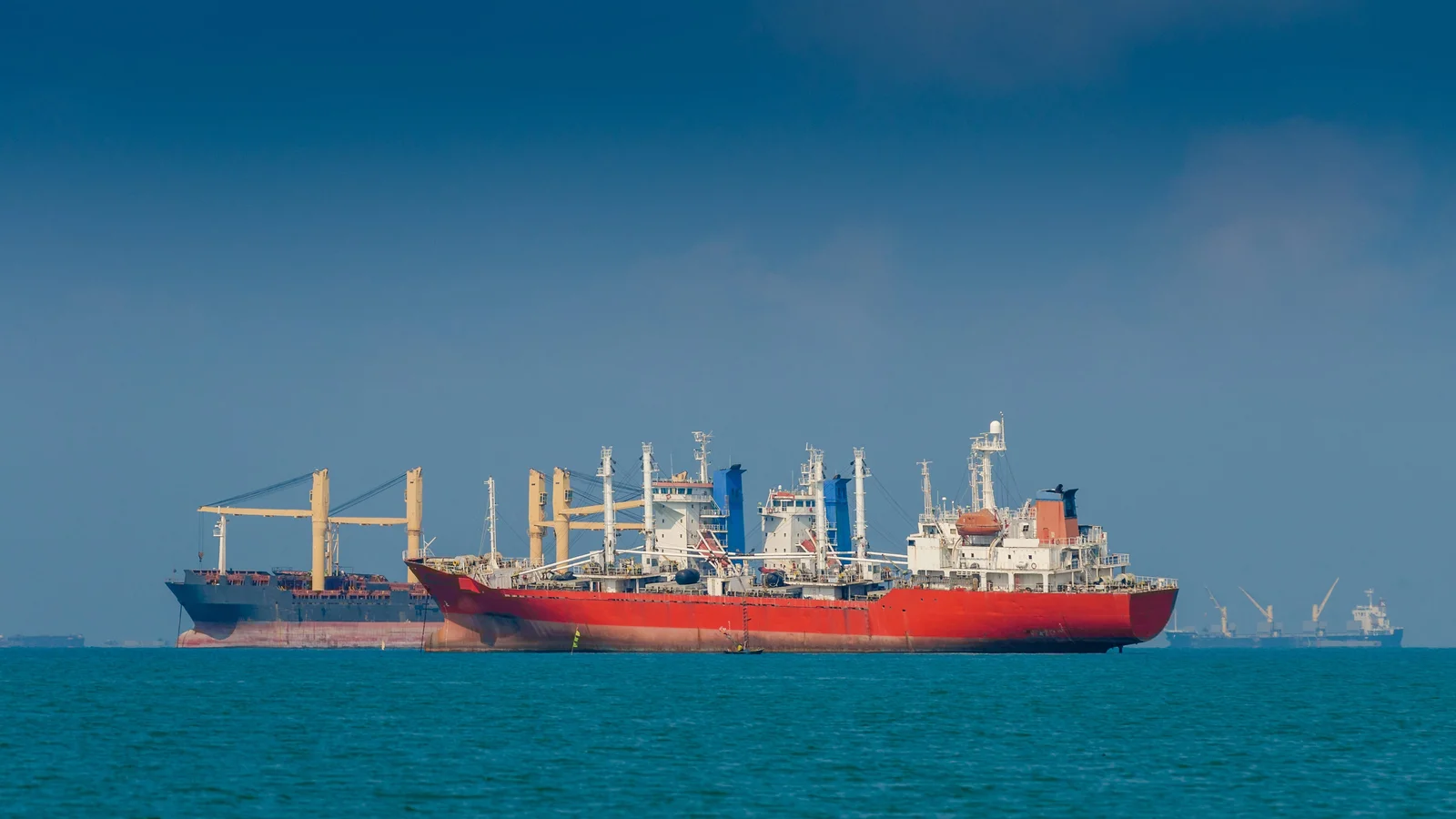
Authorities in Seoul are taking decisive steps to bypass blocked maritime chokepoints. The plan involves dispatching five Korean-flagged vessels to the Saudi port city of Yanbu on the Red Sea coast. This move aims to establish alternative supply routes for vital energy supplies.Officials are preparing comprehensive measures to facilitate this shift. During a radio interview, Industry Minister Kim Jung-kwan revealed the potential inclusion of escort operations by the Cheonghae unit's Dae Joyoung destroyer.
Diversifying Imports Beyond the Middle East
Recognizing the scale of the challenge, the South Korean government is broadening its sourcing strategy. Minister Kim emphasized that securing resources is paramount, balancing economic feasibility with efficiency.To mitigate dependency on traditional sources, the government is actively considering increasing crude oil purchases from the United States and Kazakhstan. This diversification reflects a proactive approach to energy security.
Political Efforts to Stabilize Oil Flow
The government and the ruling Democratic Party (DP) have aligned on a diplomatic offensive. Last week, an agreement was reached to dispatch special envoys to secure crude oil supplies.Key destinations for these diplomatic efforts include Saudi Arabia, Oman, and Algeria. These nations are being targeted to stabilize the crude oil supply following the effective closure of the Strait of Hormuz, a major global shipping route.
Market Backdrop: Price Jitters and Diplomatic Action
The urgency for securing stable supplies is underlined by recent market volatility. Oil prices have surged following U.S.-Israeli strikes on Iran in late February.These price hikes heighten concerns regarding economic growth and inflation within South Korea. The nation's highly dependent energy supply chain makes it particularly susceptible to disruptions originating from the Middle East. Lawmakers are working diligently to secure these alternative supply lines through high-level consultations.
Disclaimer: Due care and diligence have been taken in compiling and presenting news and market-related content. However, errors or omissions may arise despite such efforts.
The information provided is for general informational purposes only and does not constitute investment advice, a recommendation, or an offer to buy or sell any securities. Readers are advised to rely on their own assessment and judgment and consult appropriate financial advisers, if required, before taking any investment-related decisions.
Any views, opinions, or statements expressed, where applicable, are those of the respective analysts or experts and do not reflect the views of this website. The website has no association with such viewpoints and does not assume any responsibility for them.