
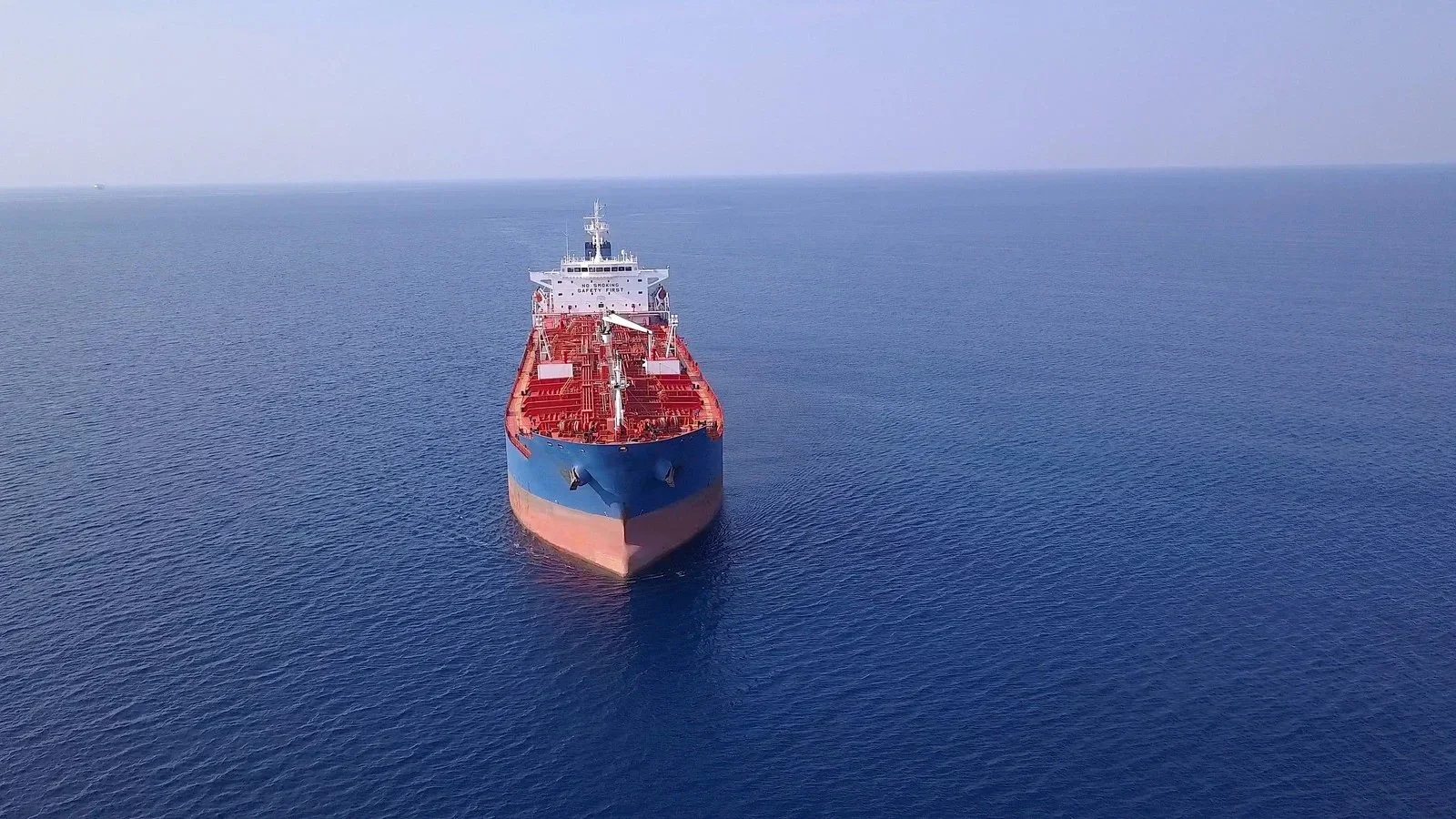
New Delhi, April 5 – With the ongoing conflict in the Middle East showing no signs of abating, Gulf nations are intensifying their efforts to reduce their dependence on the Strait of Hormuz, a vital transit chokepoint through which nearly 20 million barrels of oil pass daily, according to a report.
Rising geopolitical risks and recent attacks on shipping have pushed long-discussed alternatives, including pipelines and overland corridors, closer to implementation.
According to a report by the Financial Times, countries such as Saudi Arabia and the United Arab Emirates are already leveraging existing infrastructure to partially bypass the strait.
Saudi Arabia's East-West pipeline, also known as Petroline, has emerged as a key asset during the crisis.
Stretching about 1,200 kilometers from the kingdom's eastern oil fields to the Red Sea port of Yanbu, the pipeline has a capacity of roughly 7 million barrels per day and is playing a critical role in maintaining export flows.
The UAE has also been utilising its Abu Dhabi Crude Oil Pipeline, which links the onshore Habshan fields to the port of Fujairah on the Gulf of Oman.
With a capacity of up to 1.8 million barrels per day, the pipeline enables exports to bypass the Strait of Hormuz, although current utilisation levels remain below its maximum potential.
Analysts noted that while these pipelines provide important alternatives, they can only partially offset any major disruption to Gulf oil shipments.
In response, both countries are exploring expansion plans to enhance their export flexibility.
Saudi Arabia is reportedly considering increasing the capacity of its East-West pipeline or constructing additional routes, alongside developing new export terminals along its Red Sea coast, including at the ambitious Neom project.
Meanwhile, the UAE is evaluating the feasibility of building a second pipeline to Fujairah to further strengthen its bypass capabilities.
These options are seen as relatively quicker to implement compared to complex cross-border infrastructure projects.
Beyond national expansions, Gulf states are also examining more ambitious regional pipeline networks aimed at improving long-term resilience.
Experts suggested that a network of interconnected corridors across the region could offer greater security than isolated routes.
Industry observers said the current crisis has accelerated thinking around such projects, as per the report.
Disclaimer: Due care and diligence have been taken in compiling and presenting news and market-related content. However, errors or omissions may arise despite such efforts.
The information provided is for general informational purposes only and does not constitute investment advice, a recommendation, or an offer to buy or sell any securities. Readers are advised to rely on their own assessment and judgment and consult appropriate financial advisers, if required, before taking any investment-related decisions.
Any views, opinions, or statements expressed, where applicable, are those of the respective analysts or experts and do not reflect the views of this website. The website has no association with such viewpoints and does not assume any responsibility for them.