
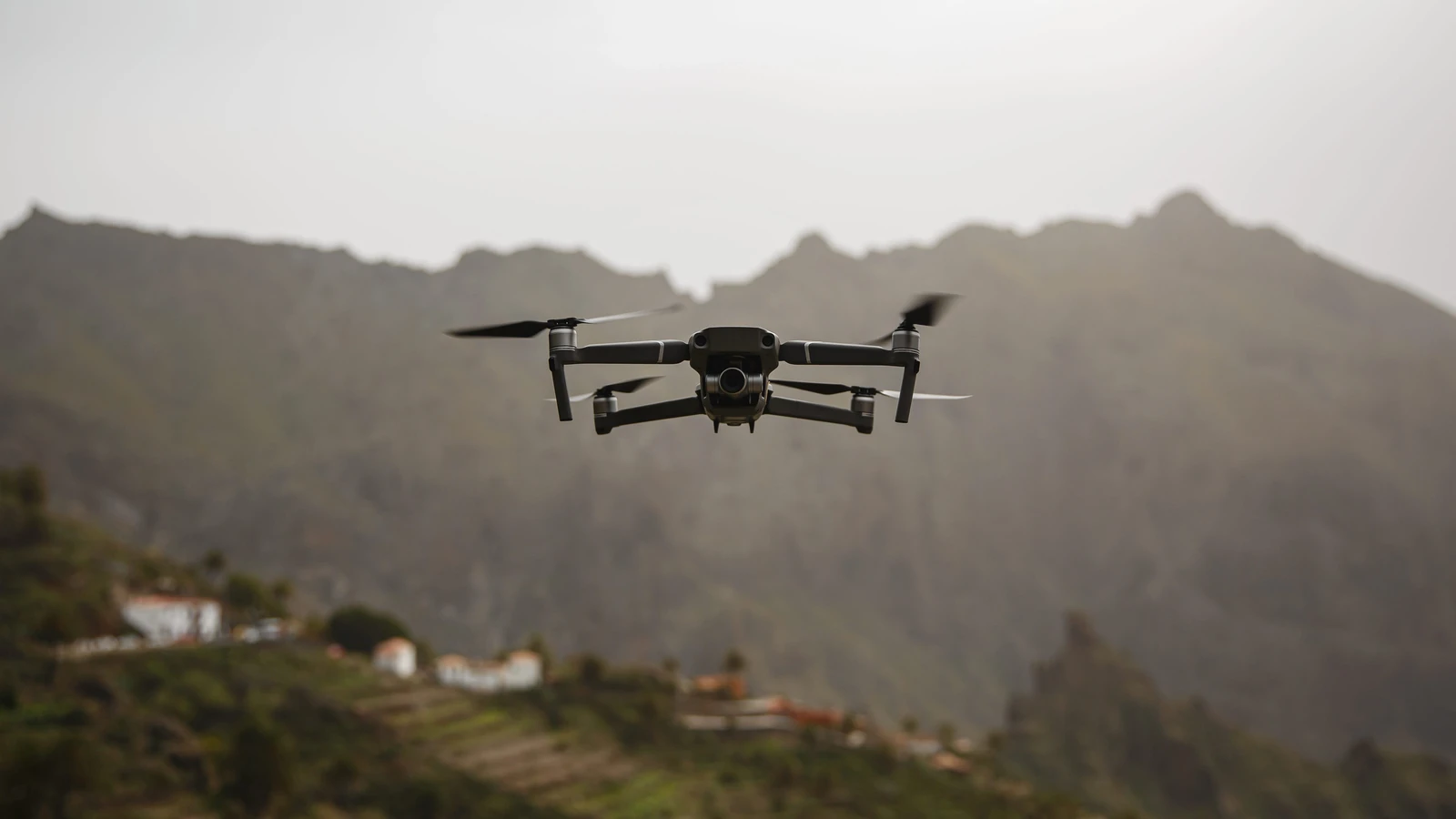
India’s drone ecosystem is witnessing accelerated growth, with more than 38,500 drones registered across the country and 39,890 DGCA-certified remote pilots as of February 2026, according to official figures released on Tuesday.
The surge reflects the steady formalization and scaling up of unmanned aerial systems in India, supported by a structured regulatory environment and expanding institutional capacity.
Over 240 Training Organisations Fuel Skilled Workforce
To support the rising demand for drone operations and maintenance, more than 240 approved training organisations have been established nationwide. These institutions are focused on building a skilled workforce capable of operating drones across commercial, agricultural, infrastructure, and governance applications.The expansion of training capacity underscores the growing institutional backbone of the sector, ensuring a pipeline of certified remote pilots and technical personnel.
Drones Transform Governance and Critical Sectors
Drones are increasingly being deployed in key sectors such as:- Agriculture
- Land and property surveys
- Infrastructure monitoring
- Disaster assessment
- Public service delivery
Under the SVAMITVA scheme, drones have surveyed over 3.28 lakh villages. As a result, 2.76 crore property cards have been prepared for 1.82 lakh villages across 31 states. The large-scale implementation demonstrates the operational maturity of drone-based land mapping in India.
From Pilot Projects to Mainstream Industry
India’s drone ecosystem has transitioned from limited pilot initiatives to a mainstream, innovation-driven sector. The official statement highlighted that this evolution has been supported by progressive policies, regulatory facilitation, and targeted financial incentives.The ecosystem now includes:
- Manufacturers
- Software and component developers
- Service providers
- Training institutions
- Certified pilots
- Start-ups
- Research organisations
- Enabling digital platforms
Empowering Women and Rural Communities
The government’s focus on inclusive development is reflected in the distribution of 1,094 drones to women self-help groups. More than 500 of these were distributed under the Namo Drone Didi initiative.These deployments aim to enhance farm productivity, improve livelihoods, and increase women’s participation in technology-driven rural enterprises.
Strategic Expansion Across Infrastructure and Security
Drones are also being used for monitoring railways and highways, further expanding their footprint in infrastructure oversight. Continued emphasis on indigenous manufacturing, skill development for remote pilots, and integration with state and central programmes is expected to deepen the sector’s reach.With increasing government support through budget allocations, innovation grants, and strategic deployment, India is positioning itself to become a global leader in unmanned aerial systems. The expanding ecosystem seeks to balance commercial growth, technological self-reliance, and inclusive socio-economic development.
Disclaimer: Due care and diligence have been taken in compiling and presenting news and market-related content. However, errors or omissions may arise despite such efforts.
The information provided is for general informational purposes only and does not constitute investment advice, a recommendation, or an offer to buy or sell any securities. Readers are advised to rely on their own assessment and judgment and consult appropriate financial advisers, if required, before taking any investment-related decisions.