
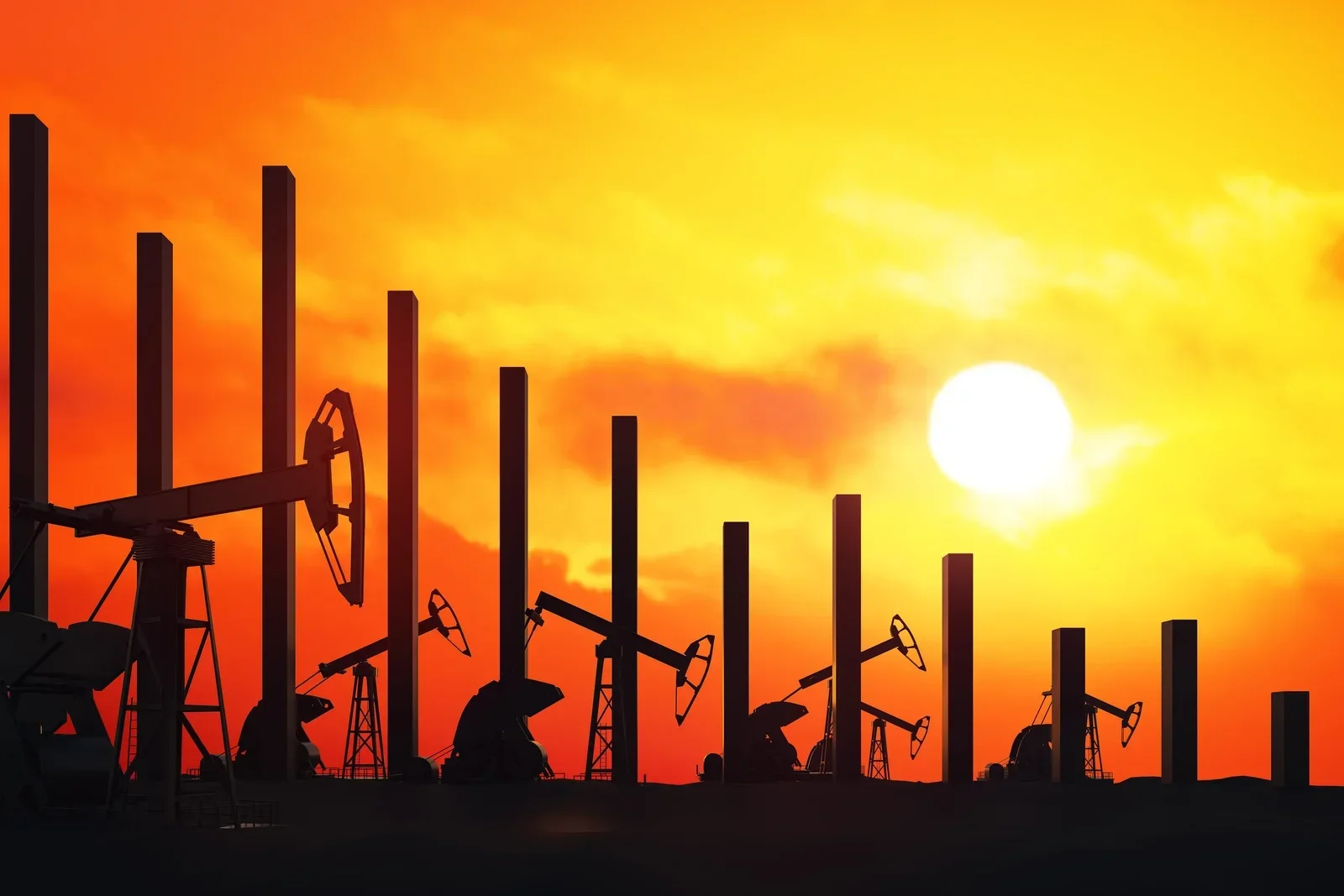
Rethinking Energy Security in a Volatile Global Order
ONGC Chairman and CEO Arun Kumar Singh has issued a stark warning regarding India's energy security posture. Citing the major energy shock triggered by the West Asia conflict, Singh advised a critical reassessment of India's historical dependence on the Middle East for vital resources. He stressed that assumptions about easy and reliable access to these traditional supplies must be replaced with a cautious, pragmatic approach.India historically sourced nearly half of its crude oil imports, 30 per cent of its gas, and 85-90 per cent of its LPG from the Middle East. The recent disruption, which shut down a key Gulf shipping lane, exposed the deep vulnerability inherent in this reliance. This forced importing nations, including India, to immediately prioritize the supply of essential gases.
The Imperative to Build Domestic Resilience and Storage Capacity
Singh emphasized that building strategic domestic storage reserves must become a priority. He warned that a shifting global order and mounting geopolitical tensions are undermining long-held energy security assumptions. He stated that "a paradigm shift has happened," cautioning that increasing global de-globalization will inevitably create more problems.Given India's high dependence on energy imports, the country is particularly vulnerable in what he termed an increasingly fragmented world. To secure the future, Singh urged India to aggressively pursue domestic exploration for both oil and gas. He asserted that increasing domestic output is an "existential necessity."
Diversification and Strategic Supply Chain Reforms
A core theme of Singh's address was the need for comprehensive diversification across multiple dimensions. He urged the nation to "chase wherever oil or gas is in our country at any cost," because in a crisis, no external help can be guaranteed. Furthermore, immediate action is required to bolster energy storage capacity across the board.Singh also highlighted the increasing unpredictability in refining economics, citing unprecedented instances where product margins surpassed crude costs. He cautioned that resource nationalism among producer nations means countries are focused on retaining their wealth, not necessarily the outflow of their raw material.
Modernizing Gas Usage and LPG Supply Chains
On the topic of LPG, Singh pointed to the significant boost in domestic supply, noting the proportion increased from "Earlier 30 per cent, now 60 per cent." He acknowledged that refiners adjusted operations to support this shift, though this came at a tangible cost.Looking at gas infrastructure, he advocated for a strategic pivot in household gas usage. Instead of focusing solely on CNG, he strongly suggested that the directive should prioritize piped natural gas (PNG) to ensure the continuity of essential domestic services like cooking.
Despite the immense global disruptions, Singh commended India for managing the situation effectively, stating that the country should be "very proud of what [it] has done."
Disclaimer: Due care and diligence have been taken in compiling and presenting news and market-related content. However, errors or omissions may arise despite such efforts.
The information provided is for general informational purposes only and does not constitute investment advice, a recommendation, or an offer to buy or sell any securities. Readers are advised to rely on their own assessment and judgment and consult appropriate financial advisers, if required, before taking any investment-related decisions.
Any views, opinions, or statements expressed, where applicable, are those of the respective analysts or experts and do not reflect the views of this website. The website has no association with such viewpoints and does not assume any responsibility for them.