
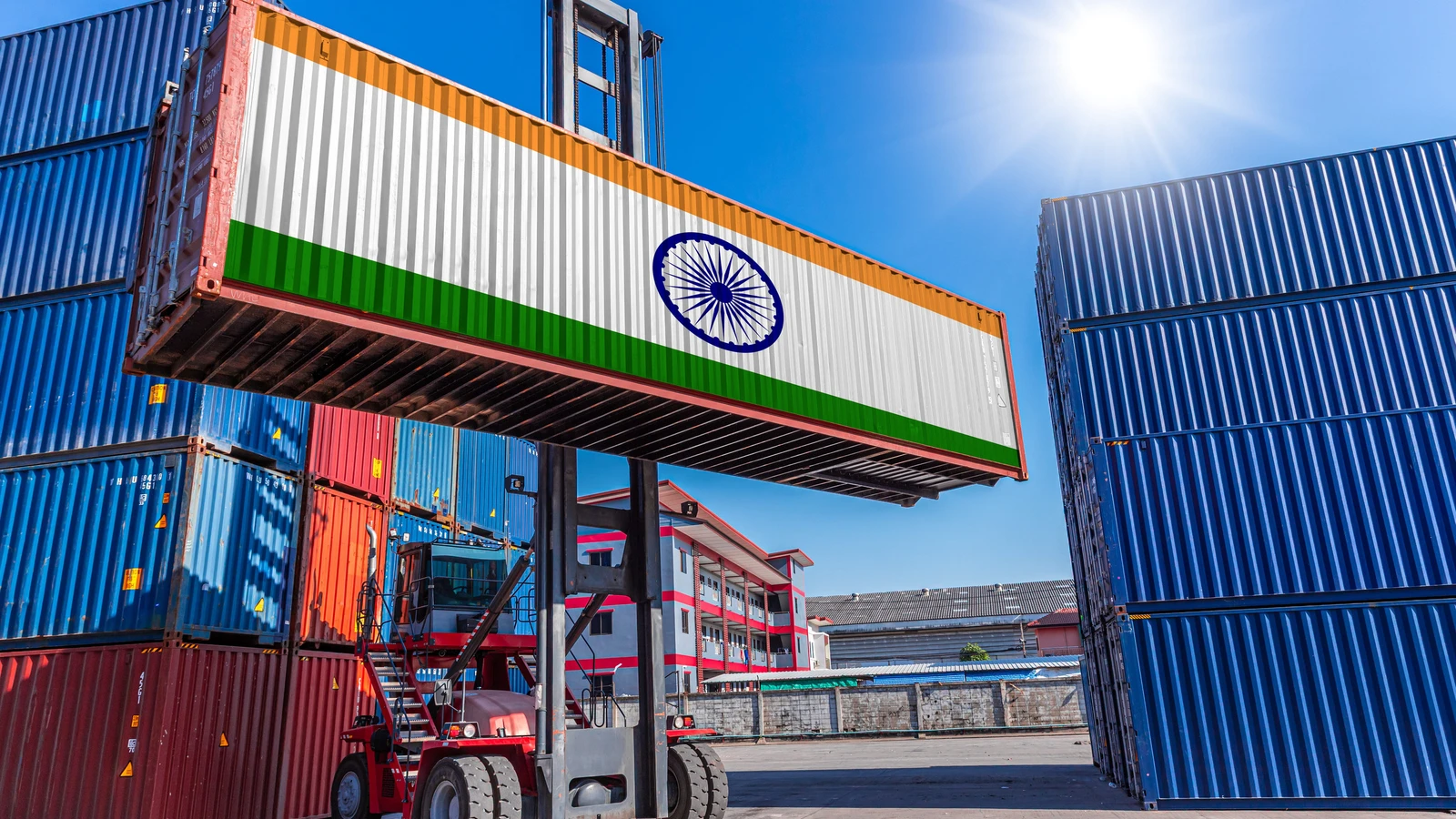
India and Israel Launch First Round of FTA Negotiations in New Delhi
New Delhi, February 24: India and Israel have formally begun the first round of negotiations for a proposed Free Trade Agreement, marking a renewed push to deepen commercial engagement and boost investment flows between the two countries.The four day talks, which conclude on February 26, follow the signing of the Terms of Reference in November last year, setting the framework for structured negotiations.
FTA Talks Resume After Earlier Stalemate
The fresh negotiations come after earlier attempts to finalize a similar agreement stalled. Eight rounds of discussions were previously held, with the last round taking place in October 2021. Both sides have now restarted talks, signaling a renewed commitment to advancing bilateral economic ties.The timing of the negotiations is significant as Prime Minister Narendra Modi is visiting Israel on February 25 and 26.
Key Focus Areas of the India Israel Free Trade Agreement
The Terms of Reference outline a comprehensive agenda aimed at expanding market access and reducing trade barriers. Core areas under negotiation include:- Elimination of tariff and non tariff barriers on goods
- Investment facilitation measures
- Simplification of customs procedures
- Increased cooperation in innovation and technology transfer
- Easing regulations to promote trade in services
Commerce and Industry Minister Piyush Goyal had earlier stated in November in Tel Aviv that the proposed FTA would open greater market access and capital flows in both goods and services, remove obstacles to doing business, and provide stability to bilateral economic ties.
Bilateral Trade Trends Between India and Israel
Trade between the two nations saw a decline in the 2024-25 fiscal year. India’s exports to Israel fell by 52 per cent to USD 2.14 billion from USD 4.52 billion in 2023-24. Imports from Israel also declined by 26.2 per cent to USD 1.48 billion. Overall bilateral trade stood at USD 3.62 billion during the year.Despite the recent dip, India remains Israel’s second largest trading partner in Asia.
Merchandise trade between the two countries is largely dominated by diamonds, petroleum products, and chemicals. However, recent years have seen growing engagement in sectors such as electronic machinery, high tech products, communication systems, and medical equipment.
Major Export and Import Items
India’s key exports to Israel include:- Pearls and precious stones
- Automotive diesel
- Chemical and mineral products
- Machinery and electrical equipment
- Plastics
- Textiles and apparel
- Base metals and transport equipment
- Agricultural products
- Pearls and precious stones
- Chemical and mineral and fertiliser products
- Machinery and electrical equipment
- Petroleum oils
- Defence equipment
- Transport equipment
Investment Flows and Bilateral Investment Agreement
In September last year, the two countries signed a Bilateral Investment Agreement under which India reduced the period for Israeli investors to exhaust local remedies to three years from five years.Between April 2000 and June 2025, India received USD 337.77 million in foreign direct investment from Israel.
Israel, a high income and technology driven economy with a population of under 10 million, represents a strategic market for India as both countries look to strengthen trade, investment, and technology cooperation through the proposed FTA framework.
Disclaimer: Due care and diligence have been taken in compiling and presenting news and market-related content. However, errors or omissions may arise despite such efforts.
The information provided is for general informational purposes only and does not constitute investment advice, a recommendation, or an offer to buy or sell any securities. Readers are advised to rely on their own assessment and judgment and consult appropriate financial advisers, if required, before taking any investment-related decisions.
Any views, opinions, or statements expressed, where applicable, are those of the respective analysts or experts and do not reflect the views of this website. The website has no association with such viewpoints and does not assume any responsibility for them.