
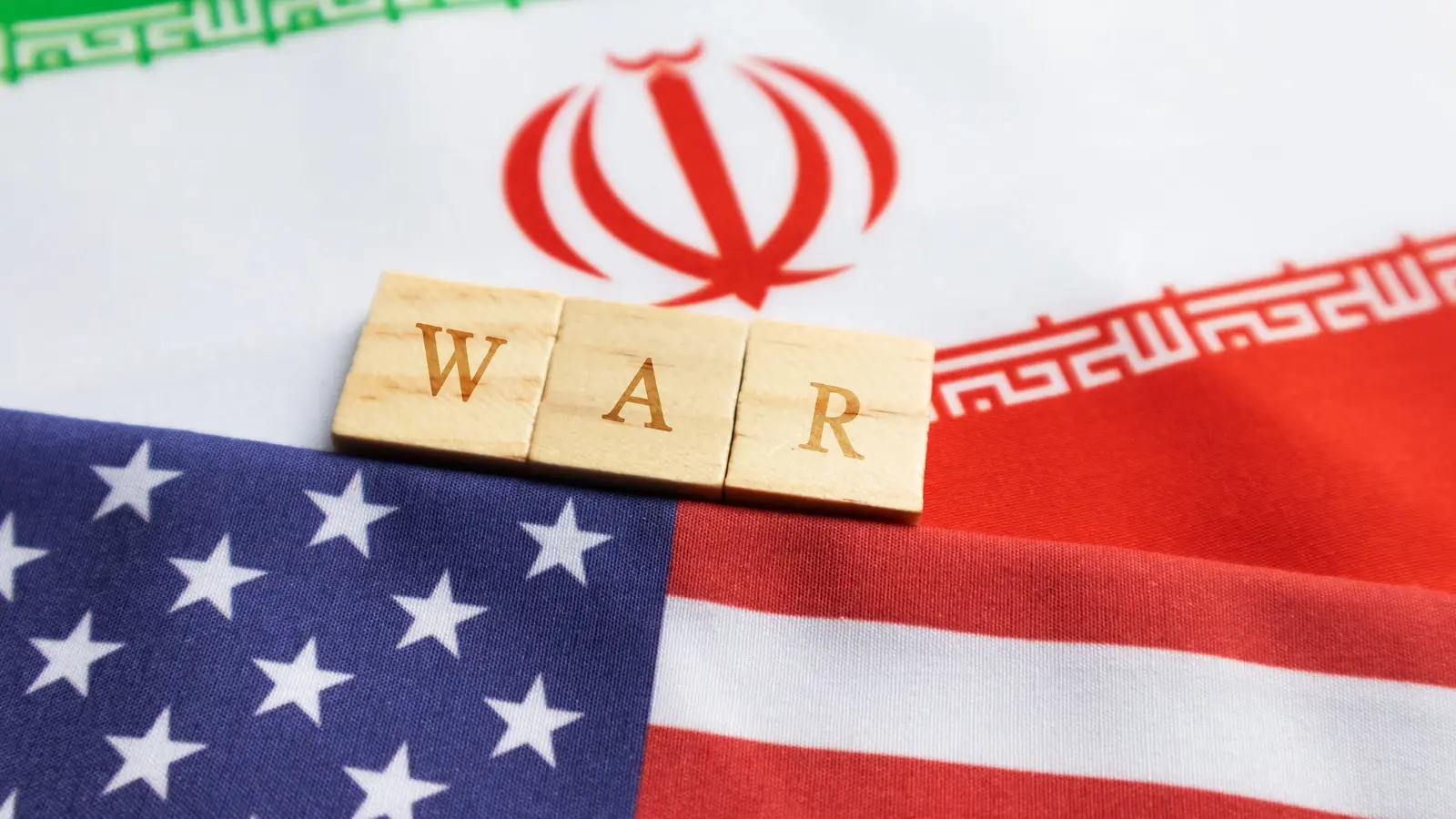
Crude Surges Amid Escalating Geopolitical Tensions
Global crude oil prices climbed more than 3% on Monday morning as the ongoing conflict in West Asia deepened, with Yemen’s Houthi militants launching missile and drone attacks on Israel, raising fresh concerns over supply disruptions.At around 6:30 am, Brent crude for May delivery on the Intercontinental Exchange was trading at $115.91 per barrel, up 3.00% from its previous close. Meanwhile, the May contract of West Texas Intermediate on NYMEX rose 3.03% to $102.61 per barrel.
Supply Risks Rise as Conflict Enters Fifth Week
The conflict involving the United States, Israel, and Iran has now entered its fifth week, with nearly 20% of global oil and gas supplies still constrained due to ongoing disruptions in supply chains.In addition to the blockade of the Strait of Hormuz, multiple oil and gas facilities, refineries, and production fields have suffered damage. This has increased the risk of prolonged supply shortages in global energy markets.
Houthis Escalate Conflict With Attacks on Israel
Over the weekend, Yemen’s Houthi militants opened a new front by attacking Israel for the first time since US and Israeli forces began striking Iran about a month ago.The Houthis launched two missile and drone attacks within a span of 24 hours on Saturday, according to reports. The Israeli military stated that the attacks were intercepted. However, the group indicated it would continue its operations in support of what it described as resistance fronts in Palestine, Lebanon, Iraq, and Iran.
Strategic Chokepoints Under Threat
The involvement of the Houthis has intensified concerns around the Bab-al-Mandeb Strait, a key global energy chokepoint that connects the Red Sea to the Gulf of Aden and the Indian Ocean.The group had previously targeted vessels in this region following the Hamas-Israel conflict in 2023, although such attacks had reduced last year. Renewed tensions now raise the risk of disruptions to maritime energy trade routes.
Impact on India: Rising Import Costs and Inflation Risks
The spike in oil prices has significant implications for India, which imports nearly 90% of its crude oil requirements.As of March 26, the Indian crude oil basket was priced at $115.75 per barrel, easing from levels above $150 per barrel earlier this month.
A sustained increase of $1 per barrel over a year could raise India’s annual import bill by approximately ₹16,000 crore. This could exert additional pressure on inflation and fiscal balances.
Government Response and Assurance on Fuel Availability
Addressing the nation during the Mann Ki Baat broadcast on Sunday, Prime Minister Narendra Modi acknowledged that the region affected by the conflict is a major source of India’s energy supplies and noted that the situation is contributing to a global petrol and diesel crisis.He stated that India’s global partnerships and internal strengths built over the past decade have enabled the country to face these challenges.
Amid concerns over potential shortages, the government has maintained that adequate stocks of crude oil, petrol, and diesel are currently available in the country.
Disclaimer: Due care and diligence have been taken in compiling and presenting news and market-related content. However, errors or omissions may arise despite such efforts.
The information provided is for general informational purposes only and does not constitute investment advice, a recommendation, or an offer to buy or sell any securities. Readers are advised to rely on their own assessment and judgment and consult appropriate financial advisers, if required, before taking any investment-related decisions.