
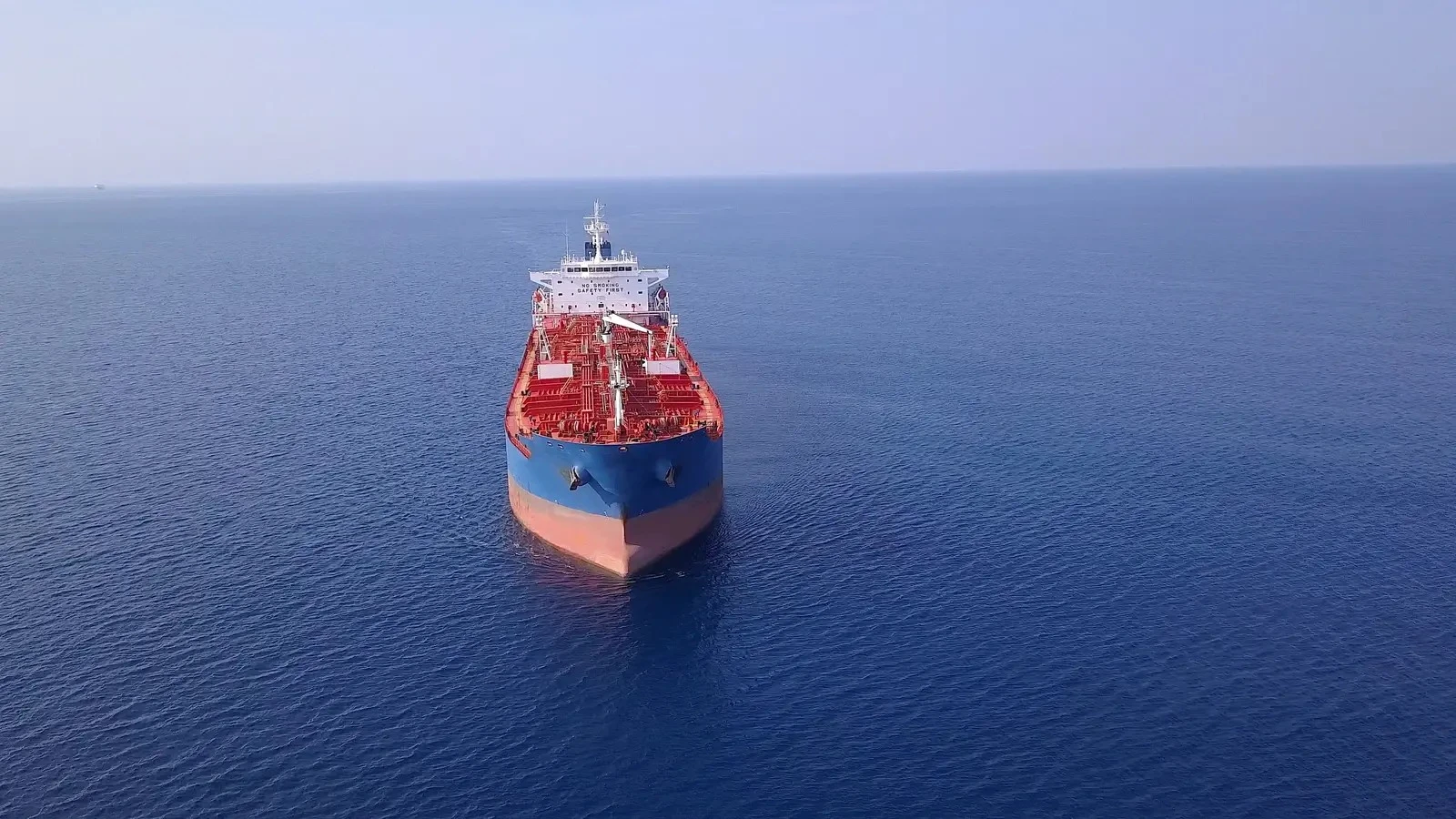
New Delhi, March 30 As many as 19 ships carrying LPG, crude oil, and LNG destined for India are currently stranded in the Strait of Hormuz due to the escalating conflict in West Asia.
At an inter-ministerial briefing on the fallout of developments in West Asia, Rajesh Kumar Sinha, Special Secretary in the Ministry of Ports, Shipping, and Waterways, said that 10 foreign-flagged vessels carrying energy cargo for India are currently stranded.
These include 3 LPG vessels, 4 crude oil tankers, and 3 liquefied natural gas (LNG) carriers.
In addition, there are Indian-flagged vessels, including 3 LPG tankers, 1 LNG carrier, and 4 crude oil tankers. One empty tanker is being filled with LPG.
These vessels were among the 500-odd ships that were affected in the narrow strait amid the widening conflict in West Asia.
So far, eight Indian-flagged vessels have safely sailed out. These include two LPG carriers, BW TYR and BW ELM, carrying a combined LPG cargo of about 94,000 tonnes, which safely transited the war-affected zone in the last couple of days, he said.
While BW TYR is proceeding towards Mumbai with an expected arrival on March 31, BW ELM is en route to New Mangalore with an estimated arrival date of April 1, he said.
The attacks by the US and Israel on Iran, and Tehran's subsequent retaliation, have effectively halted shipping through the strait—the narrow shipping lane that serves as a conduit for oil and gas exports from Gulf countries to the world. However, Iran last week said that "non-hostile vessels" may transit the waterway after coordinating with Iranian authorities.
"Our first priority is to get Indian-flagged vessels out," Sinha said. "We have not yet reached the stage where we start sending back vessels (for refills)."
He was asked whether India is considering sending vessels that have already discharged cargo at domestic ports back to Gulf countries to lift additional supplies.
He said his ministry has been closely monitoring the evolving situation in West Asia, particularly with regard to the safety of Indian seafarers, vessel movements, and port operations.
"All Indian seafarers in the region are safe, and no incident involving Indian-flagged vessels has been reported in the past 24 hours. The situation has remained stable over the last 72 hours as well," he said.
Previously, four Indian-flagged LPG tankers had safely sailed through the strait.
Pine Gas and Jag Vasant, carrying 92,612 tonnes of LPG, reached Indian ports between March 26 and March 28. Prior to that, MT Shivalik and MT Nanda Devi, carrying about 92,712 tonnes of LPG, had reached Mundra port in Gujarat on March 16 and Kandla port, respectively, on March 17.
Besides, the Indian-flagged oil tanker Jag Laadki, with 80,886 tonnes of crude oil from the UAE, reached Mundra on March 18. Another tanker, Jag Prakash, carrying gasoline from Oman to Africa, had previously safely crossed the strait and is en route to Tanzania.
There are 18 Indian-flagged vessels on the west side of the strait, with 485 seafarers, he said.
Two other vessels are stranded on the east side.
Among the vessels on the west side are LPG carriers Jag Vikram, Green Asha, and Green Sanvi. One empty vessel is being filled with LPG.
Other Indian-flagged vessels in the zone include one liquefied natural gas (LNG) tanker, four crude oil tankers, one transporting chemical products, three container ships, and two bulk carriers. Additionally, one vessel is a dredger, and three were in dry dock undergoing routine maintenance.
Originally, there were 28 Indian-flagged vessels in the Strait of Hormuz when the war in West Asia broke out. Of these, 24 were on the West side of the Strait and four on the East side. In the last few days, six vessels from the west side and two from the east have managed to sail to safety.
Disclaimer: Due care and diligence have been taken in compiling and presenting news and market-related content. However, errors or omissions may arise despite such efforts.
The information provided is for general informational purposes only and does not constitute investment advice, a recommendation, or an offer to buy or sell any securities. Readers are advised to rely on their own assessment and judgment and consult appropriate financial advisers, if required, before taking any investment-related decisions.