
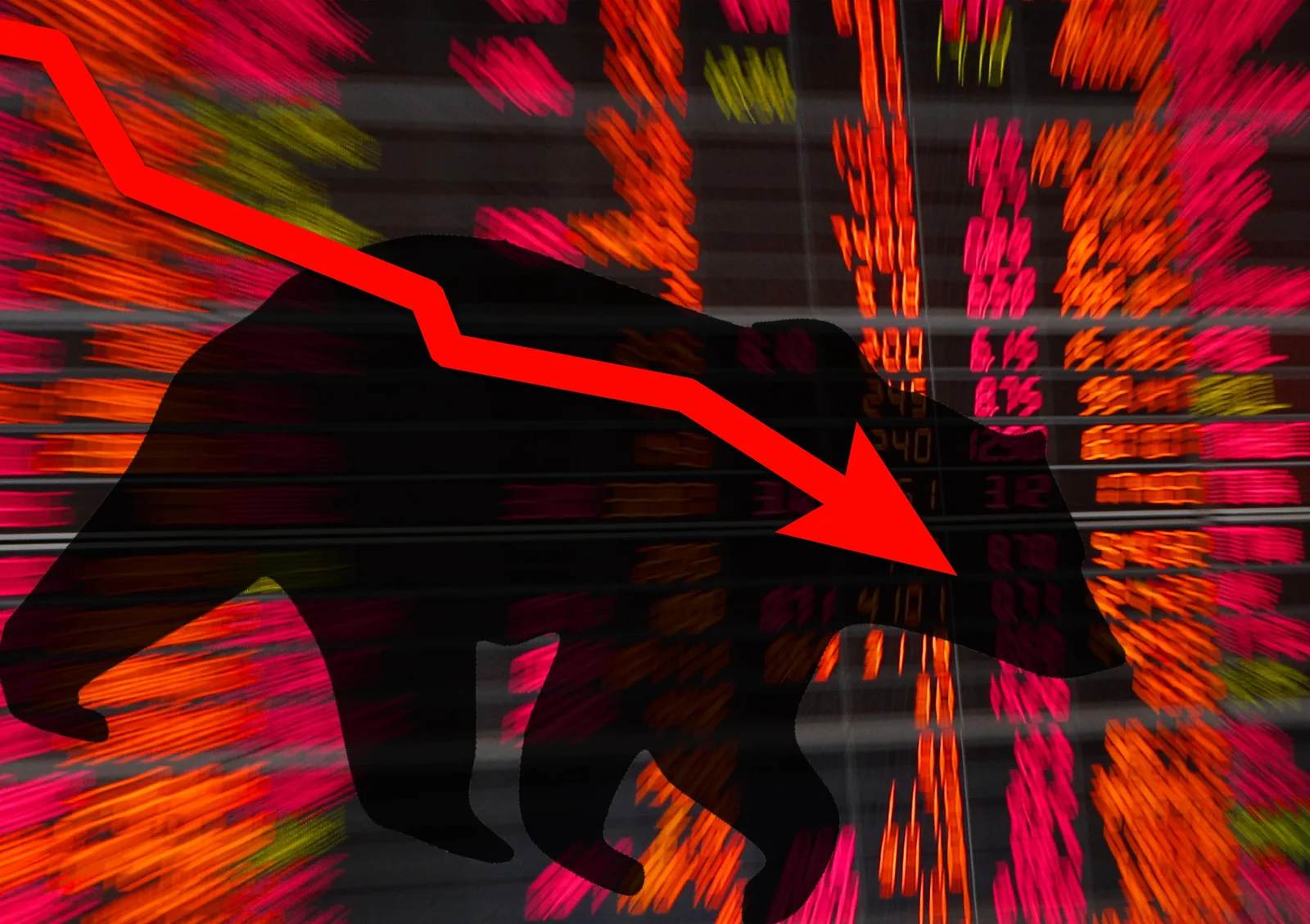
Crisis Hits Asia: Nikkei, Kospi Plunge Amid US Blockade Warning, Oil Soars Past $103
Asian financial markets plummeted on Monday, fueled by escalating geopolitical tensions between the US and Iran. Global optimism surrounding peace in the Gulf dissolved after US President Donald Trump ordered a blockade of the critical Strait of Hormuz. This move, coupled with Iran adopting a defiant tone following the collapse of weekend peace talks, sent shockwaves across global equity indices.The sheer uncertainty surrounding energy supply continues to drain market confidence worldwide. The MSCI Asia-Pacific index dropped 0.7% immediately after the market opened, signaling widespread investor panic.
Geopolitical Tensions Fuel Global Market Panic
The primary catalyst for the sharp sell-off was the renewed threat to global energy trade routes. The breakdown of negotiations in Islamabad on Saturday reignited deep concerns that regional conflicts will persist much longer than anticipated.These growing worries immediately pushed crude oil prices higher, ensuring a continuous strain on global economies. The Strait of Hormuz, a vital passage connecting the Gulf to international markets, handles a significant share of the world's essential oil shipments.
Key Asian Indices Brace for Impact
Asia’s major stock exchanges reflected the dire global mood, experiencing significant declines. South Korea’s blue-chip Kospi index was notably hit, falling 1.83%. Japan’s benchmark Nikkei 225 index also showed weakness, dropping 0.84%.The broader Japanese Topix slipped 0.42%, while Australia’s S&P/ASX 200 was 0.74% lower. Hong Kong’s Hang Seng index futures stood at 25,964, compared to its last close of 25,893.54.
Commodity Markets React to Supply Shock
The most dramatic market movement came from oil futures. Following Trump’s blockade announcement, oil prices soared, with benchmark Brent crude surging over 8%. Brent crude crossed the $103 per barrel mark, while West Texas Intermediate (WTI) rose to $105.12.The spike in energy costs underscores the immediate supply disruption feared by global traders. Additionally, US crude and European natural gas prices recorded sharp gains, highlighting the systemic risk posed by the region's instability.
US Futures and Currency Volatility Intensify
Market indicators from the United States also registered sharp downturns. Dow Jones Industrial Average futures dropped by 517 points, or 1.1%. The S&P 500 futures lost 1.1%, and Nasdaq 100 futures shed 1.2%.Currencies reacted strongly to the turmoil, with the US dollar strengthening against all its Group-of-10 peers. Meanwhile, Japan's 10-year yield rose sharply to 2.49%, reaching its highest level since 1997. Meanwhile, Euro Stoxx 50 futures fell 1.5%, reinforcing the picture of global risk aversion.
Disclaimer: Due care and diligence have been taken in compiling and presenting news and market-related content. However, errors or omissions may arise despite such efforts.
The information provided is for general informational purposes only and does not constitute investment advice, a recommendation, or an offer to buy or sell any securities. Readers are advised to rely on their own assessment and judgment and consult appropriate financial advisers, if required, before taking any investment-related decisions.
Any views, opinions, or statements expressed, where applicable, are those of the respective analysts or experts and do not reflect the views of this website. The website has no association with such viewpoints and does not assume any responsibility for them.