
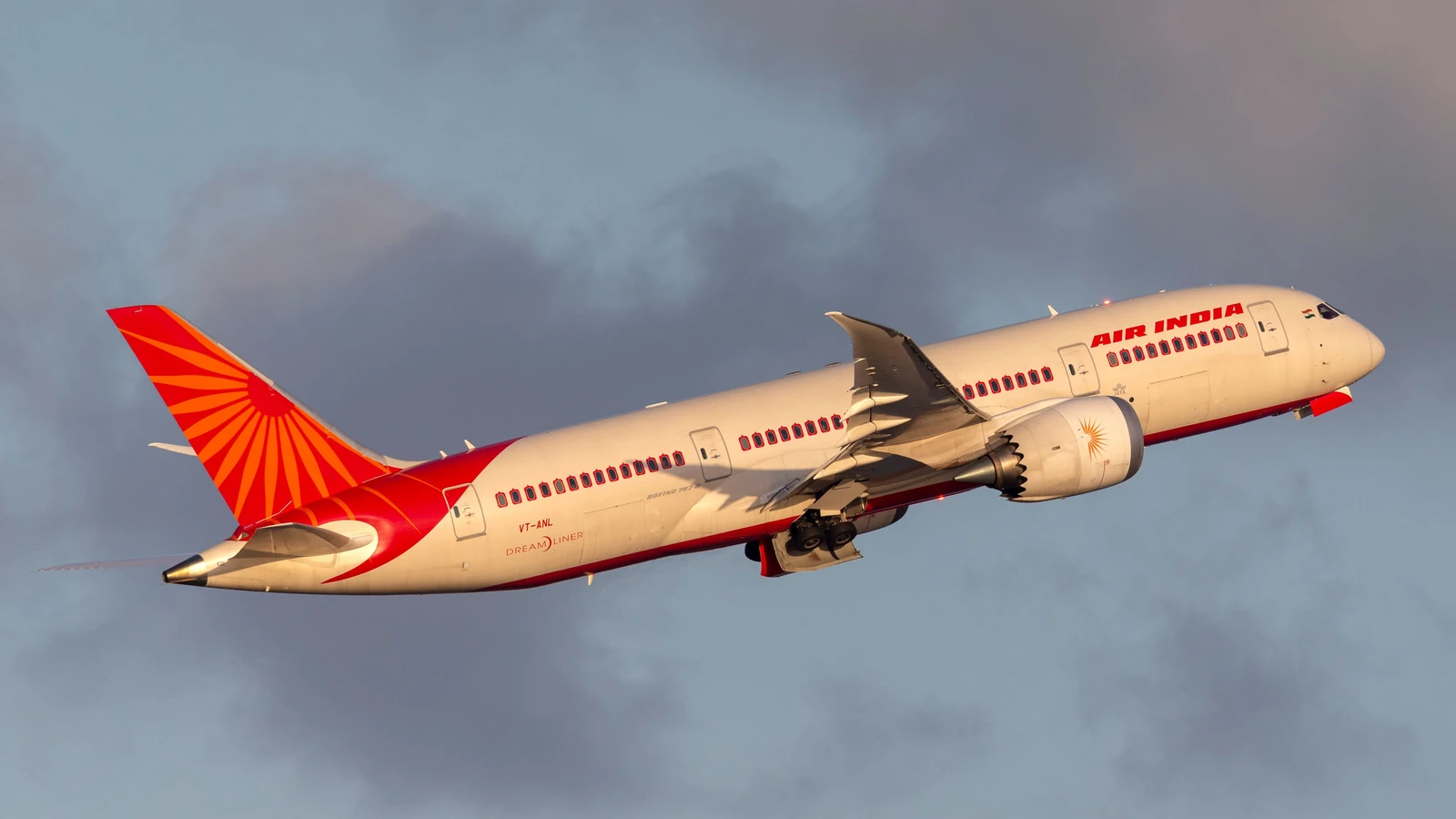
Air India has reported an alarming annual loss of over Rs 22,000 crore ($2.4 billion or Rs 220 billion) for FY26. This wider-than-anticipated loss is forcing the major carrier to urgently seek fresh capital infusion from its key shareholders, including Tata Group and Singapore Airlines.
The massive financial strain comes at a crucial juncture for the airline, which is simultaneously undergoing a major transformation guided by the Tata Group. The report indicates that discussions are underway with shareholders for a potential cash injection to mitigate the significant financial pressure.
Critical Financial Strain and Funding Efforts
The loss reported for the financial year ended March 31 substantially exceeded the airline's internal estimates. According to the Bloomberg report, Air India is actively engaged in discussions with its primary stakeholders regarding necessary financial support.While the exact size of the planned funding has not been finalized, sources suggest that the potential support may fall short of the airline’s overall financial requirements. The current funding gap poses a significant operational challenge as the airline navigates intense structural changes.
External Shocks Drive Operational Costs
The mounting losses are attributed to a combination of severe external shocks impacting global aviation routes. These disruptions included the closure of Pakistani airspace for Indian carriers.This airspace closure forced Air India to utilize longer and more expensive routes when operating to Europe and the United States. Compounding this difficulty was the ripple effect of global geopolitical tensions, especially the conflict in the Middle East.
These regional conflicts disrupted routes that account for around 16 per cent of the carrier's total capacity, further complicating revenue generation.
Impact of Safety Incidents and Rising Prices
A deadly crash involving a Boeing 787 Dreamliner in June, which resulted in over 240 fatalities, severely impacted Air India's services. The incident led to a necessary reduction in both international and domestic services.The operational costs were further inflated by rising jet fuel prices and the increasing difficulty in running flights to Europe and North America.
Stakeholder Interests and Leadership Uncertainty
The financial struggles have had a palpable effect on major investors, notably Singapore Airlines. Following the merger of Vistara with Air India in 2024, Singapore Airlines holds a 25.1 per cent stake, with its earnings reportedly affected by the carrier’s deteriorating financials.Adding to the current operational complexity is leadership uncertainty within the organization. CEO Campbell Wilson recently announced plans to step down later this year, signaling potential management transitions amid the financial crisis.
Disclaimer: Due care and diligence have been taken in compiling and presenting news and market-related content. However, errors or omissions may arise despite such efforts.
The information provided is for general informational purposes only and does not constitute investment advice, a recommendation, or an offer to buy or sell any securities. Readers are advised to rely on their own assessment and judgment and consult appropriate financial advisers, if required, before taking any investment-related decisions.
Any views, opinions, or statements expressed, where applicable, are those of the respective analysts or experts and do not reflect the views of this website. The website has no association with such viewpoints and does not assume any responsibility for them.