
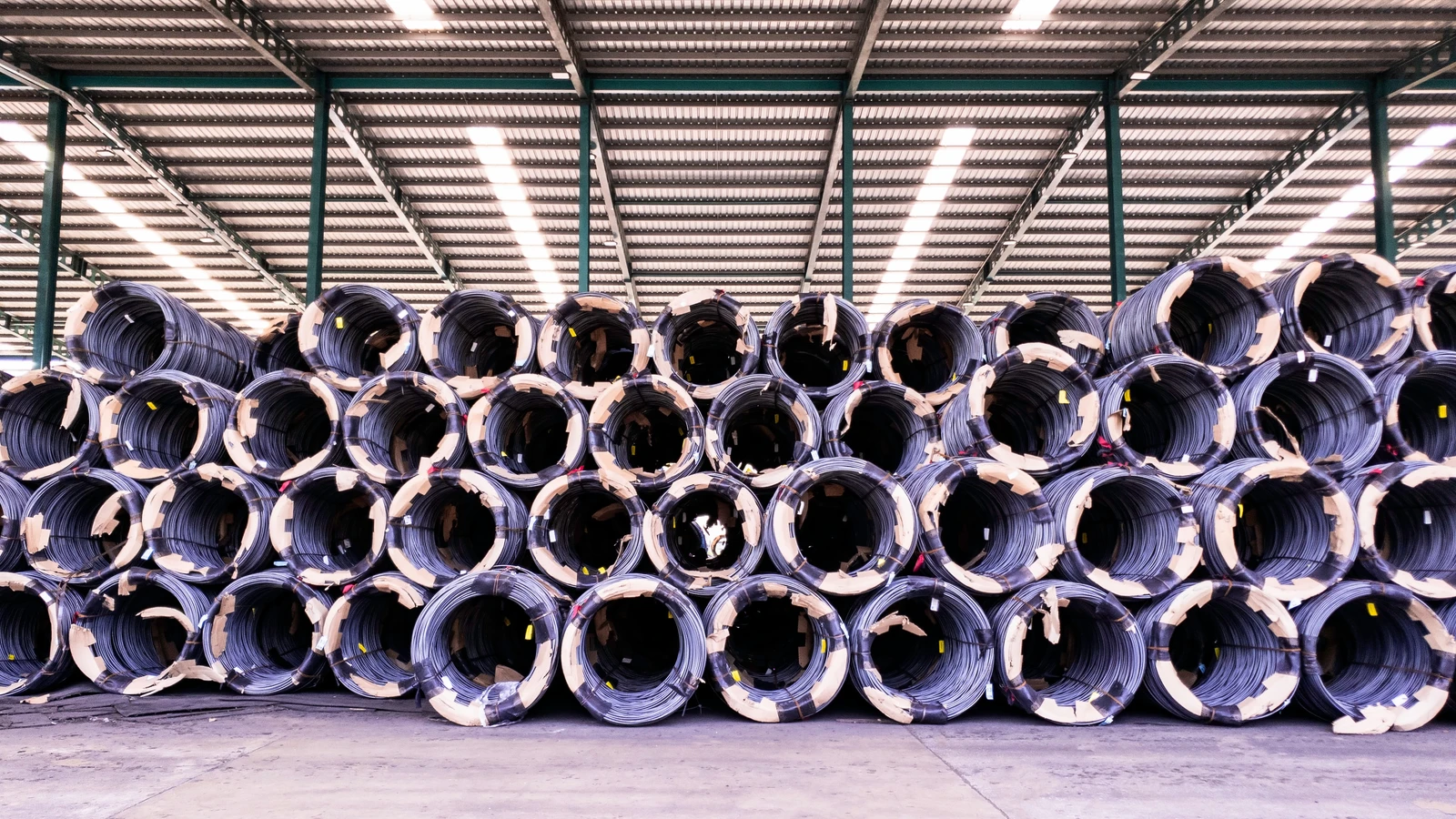
Domestic Steel Prices May See Another Round of Increase in Q4 FY26
Aditya Welekar, Senior Research Analyst for Metals at Axis Securities, has indicated that domestic steel prices could witness another round of hikes as the sector enters a seasonally strong quarter.According to him, the January to March period of FY26 typically remains robust for metal companies, particularly steel producers. He noted that March could potentially see fresh price increases, supported by improving demand trends and easing import pressure.
He highlighted that import competition has reduced significantly. On an import parity basis, domestic prices are now nearly at par with Chinese imported steel prices. Earlier, domestic steel was trading at nearly a 12 percent discount to Chinese imports, but that gap has narrowed substantially.
Rising HRC Prices and Margin Expansion in Focus
Hot-rolled coil prices have already moved up by approximately ₹4,500 to ₹5,000 per tonne. Despite higher input costs, particularly coking coal, margins are expected to improve.Welekar said that the increase in steel prices is likely to offset the rise in raw material costs. Overall spreads in the fourth quarter of FY26 are expected to expand by ₹3,500 to ₹4,000 per tonne compared to the October to December quarter of 2025.
This combination of higher realizations and controlled import pressure could provide earnings support to steel producers in the near term.
Private Steel Companies Preferred Over Public Sector Players
Welekar prefers private steel manufacturers over public sector entities from an investment perspective.His preferred picks in the sector are:
- Jindal Steel and Power
- JSW Steel
- Tata Steel
- Steel Authority of India
However, over the medium term, expansion plans may pose risks. The company is increasing its capacity from 20 million tonnes to 35 million tonnes, which will lead to higher capital expenditure.
Ferrous Metals Favoured Over Non-Ferrous After Rally
At the broader sector level, Welekar currently prefers ferrous metals over non-ferrous metals.He noted that non-ferrous stocks have already seen a strong rally, leading to valuations catching up. In comparison, ferrous metal companies appear relatively better positioned at this stage.
Among base metals, aluminium appears stronger in the near term due to supply disruptions, while copper may see consolidation because of higher inventories and potential medium-term supply exceeding demand.
Over the longer term, he remains constructive on both aluminium and copper, but believes aluminium currently offers stronger near-term fundamentals.
Outlook for Steel and Base Metals
With seasonal demand recovery, easing import pressure, rising hot-rolled coil prices, and expected margin expansion in Q4 FY26, the domestic steel sector appears positioned for improved performance.Private steel producers are seen as better placed to capitalize on these trends, while public sector players may offer selective trading opportunities depending on volume performance and capital expenditure plans.
As valuations in non-ferrous metals firm up after recent gains, ferrous metals are emerging as relatively more attractive within the broader metals space.
Disclaimer: Due care and diligence have been taken in compiling and presenting news and market-related content. However, errors or omissions may arise despite such efforts.
The information provided is for general informational purposes only and does not constitute investment advice, a recommendation, or an offer to buy or sell any securities. Readers are advised to rely on their own assessment and judgment and consult appropriate financial advisers, if required, before taking any investment-related decisions.
Any views, opinions, or statements expressed, where applicable, are those of the respective analysts or experts and do not reflect the views of this website. The website has no association with such viewpoints and does not assume any responsibility for them.