
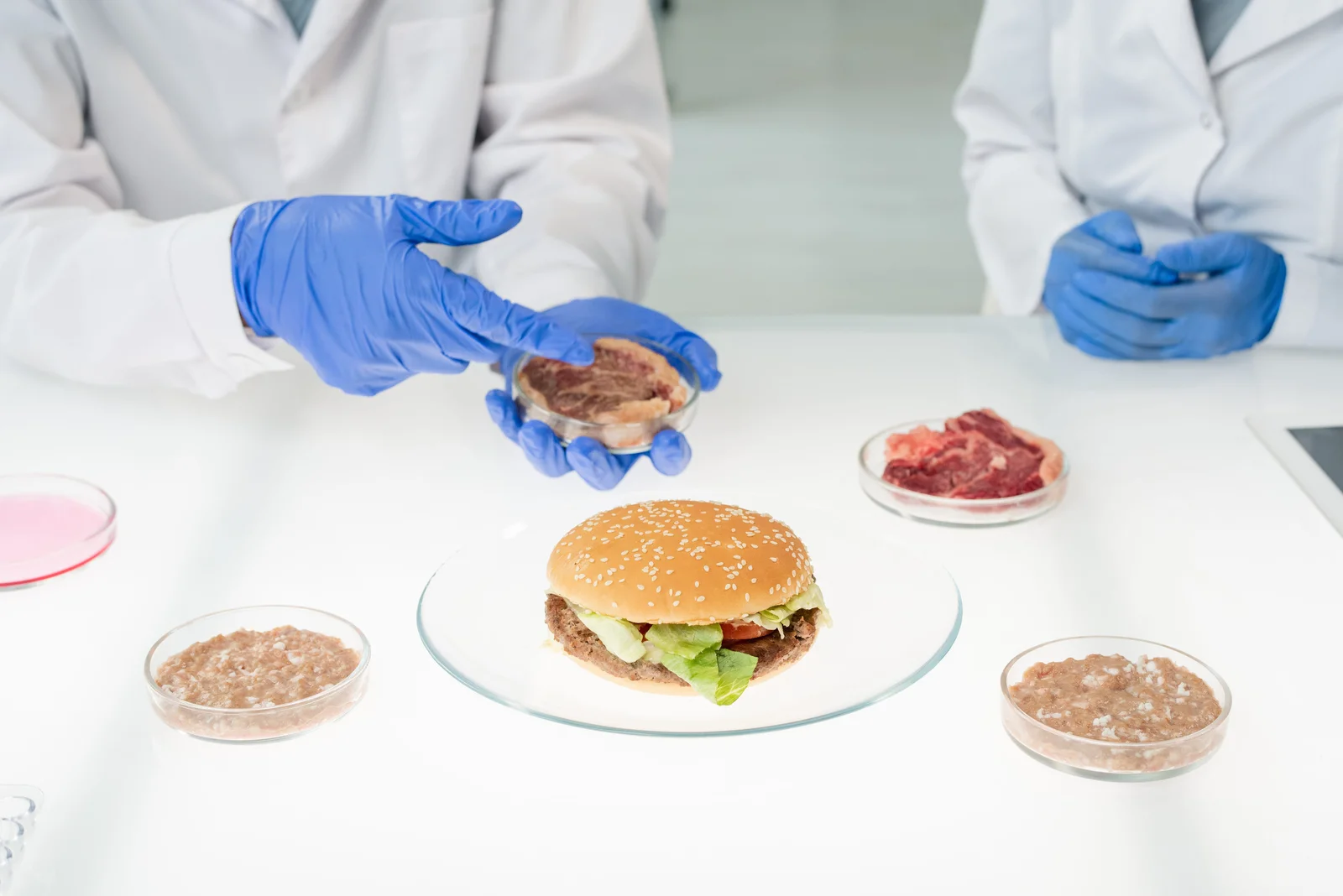
The National Human Rights Commission (NHRC), India, recently convened a meeting of its Core Group on Right to Food and Nutrition. The discussion focused intensely on the theme, 'Tackling Food Adulteration in India: Understanding the Scale, Challenges and Reforms.'
During the meeting, NHRC Chairperson, Justice V. Ramasubramanian, chaired the proceedings. Attendees included Members Justice (Dr.) Bidyut Ranjan Sarangi and Smt. Vijaya Bharathi Sayani, and Secretary General Shri Bharat Lal. The gathering also saw participation from Director General (Investigation) Smt. Anupama Nilekar Chandra, Registrar (Law) Shri Joginder Singh, and other senior government functionaries, human rights defenders, consumer activists, and domain experts.
Justice V. Ramasubramanian provided an overview of India's legal mechanisms to combat food adulteration, tracing the framework's evolution from the Madras Prevention of Adulteration Act 1918 to the Food Safety and Standards Act 2006. He stressed that while efforts have been made over the decades, stakeholders must consider the profound impact of adulterated food rather than relying solely on statistics. He noted the erosion of the principle that food should be medicine and questioned the utility of old evidence, citing cases under the Prevention of Food Adulteration Act 1954 with reports as old as 15 years.
The issue of public awareness was a major focus. NHRC Member, Justice (Dr.) Bidyut Ranjan Sarangi, urged increased public awareness regarding food safety and raised concerns over excessive pesticide use in food production, emphasizing the need to educate farmers at the grassroots level for better quality grains.
NHRC Member, Smt. Vijaya Bharathi Sayani, advocated for establishing a multi-level special task force to curb adulteration. Her suggestions included implementing mobile food testing in schools and public areas, alongside conducting monthly checks. She called for strict enforcement measures, including fines for violators, 24/7 helplines, integrating food adulteration into the school curriculum, and establishing fast-track grievance redressal systems for victims.
Shri Bharat Lal, Secretary General of NHRC, highlighted food adulteration as a significant global threat affecting both formal and informal sectors, with particular risk to vulnerable groups such as children, pregnant women, and the elderly. He pointed out that once adulterated products enter the supply chain, tracing or recalling them is nearly impossible.
Suggestions emerging from the discussion included developing cost-effective AI tools for real-time monitoring and ensuring traceability through tamper-proof records. Other key recommendations included:
- Adopting a system-wide reform approach involving mapping the entire food product lifecycle and integrating biomonitoring.
- Encouraging citizen participation to enhance transparency in food safety systems.
- Conducting public awareness campaigns to combat misconceptions about food safety.
- Strengthening training and capacity-building for all stakeholders, including integrating food safety education at the school level.
- Making food safety data, inspection reports, and vendor compliance status publicly accessible to build consumer trust.
Disclaimer: Due care and diligence have been taken in compiling and presenting news and market-related content. However, errors or omissions may arise despite such efforts.
The information provided is for general informational purposes only and does not constitute investment advice, a recommendation, or an offer to buy or sell any securities. Readers are advised to rely on their own assessment and judgment and consult appropriate financial advisers, if required, before taking any investment-related decisions.