
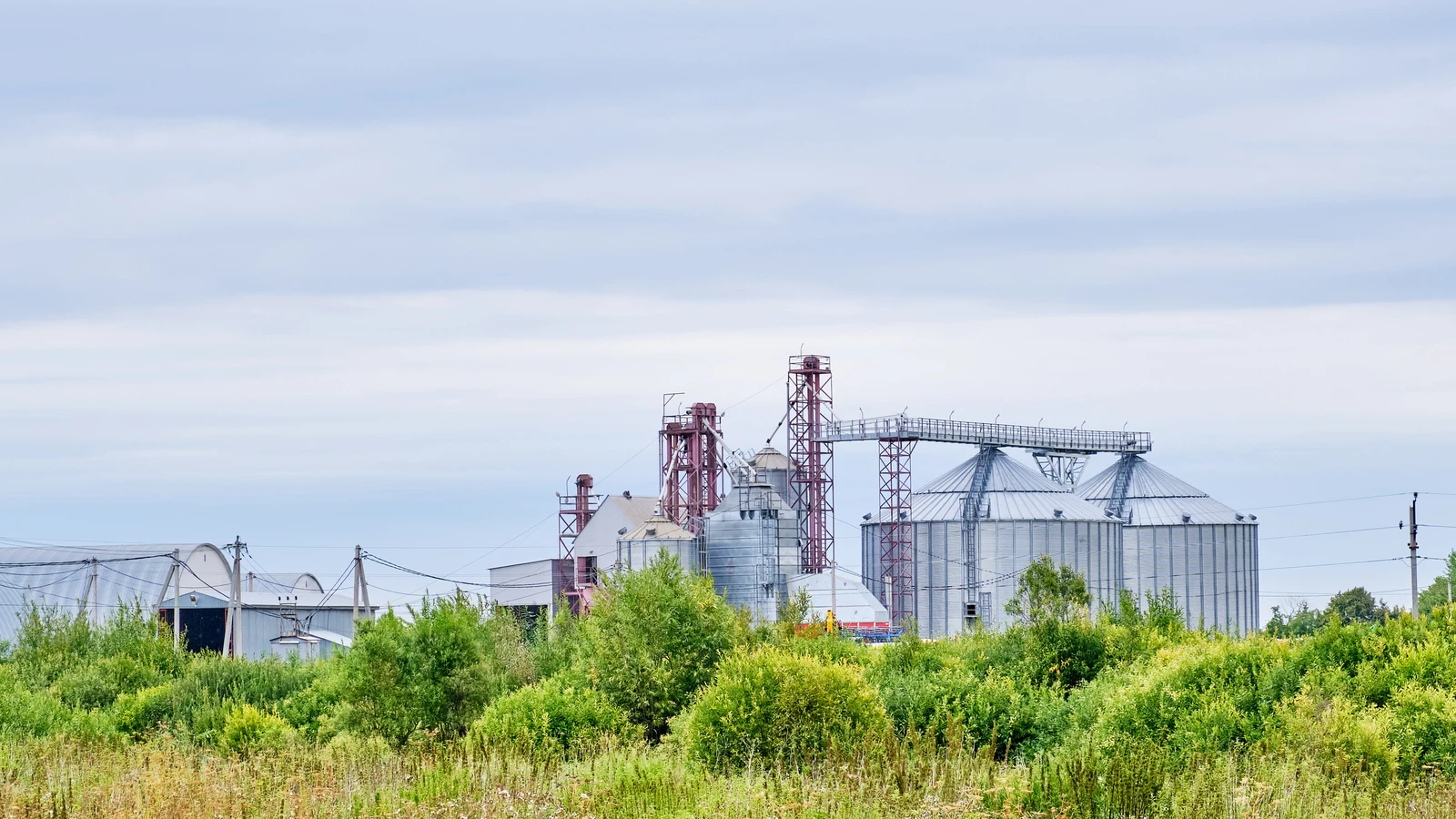
ABEPL Moves Towards Full-Scale Production at Numaligarh Facility
Numaligarh, Assam, February 17: Assam Bio Ethanol Pvt Ltd is preparing to scale up operations at its second-generation bioethanol plant in Numaligarh, with plans to partner with more than 30,000 farmers over the next three years to secure bamboo supplies.The Rs 4,930 crore facility, inaugurated by Prime Minister Narendra Modi in September last year, is currently in its start-up phase. According to Chief Executive Officer Rupjyoti Hazarika, the plant is expected to stabilize within a week, after which full-scale production will begin. Limited raw material availability has been part of the initial stabilization process.
World’s Only Commercial Bamboo-Based Second-Generation Bioethanol Plant
Located in Golaghat district of Assam, the 43-acre unit is the only commercial second-generation bioethanol plant in the world that uses bamboo as its primary feedstock. In contrast, conventional first-generation ethanol plants rely on food crops such as sugarcane and maize.The plant has an installed production capacity of 49,000 million tonnes per annum. During trial runs, it produced fuel-grade ethanol with 99.7 percent purity, exceeding the normal benchmark purity range of 99.5 percent.
Apart from ethanol, the facility will annually produce:
- 19,000 tonnes of furfural
- 11,000 tonnes of acetic acid
- 32,000 tonnes of liquid CO2
- 25 MW of green power
Bamboo Sourcing Plan Across Northeast India
To achieve its installed ethanol output, the plant will require five lakh MTPA of green bamboo. For this, ABEPL estimates that 12,500 hectares of bamboo plantations will be needed, supported by 60 lakh saplings over the next three years.The company has already registered over 4,200 farmers and aims to expand that number to more than 30,000 farmers within a 300 km sourcing radius. Bamboo procurement will span:
- 16 districts in Assam
- Four districts in Arunachal Pradesh
- Five districts in Nagaland
- One district in Meghalaya
Currently, bamboo cultivation is underway across 300 hectares with registered farmers. The company has also distributed one lakh saplings free of cost, largely to institutional players such as tea gardens.
Focus on Non-Crop and Barren Land for Cultivation
With the government permitting up to five percent of tea garden land for non-tea purposes, several tea estate owners have shown interest in bamboo cultivation.ABEPL has clarified that it is not encouraging conversion of agricultural land. Instead, the company is identifying barren and unused land for bamboo plantations to avoid disrupting food production.
According to Hazarika, sourcing bamboo from 12,500 hectares will help the company become carbon neutral.
Integrated Processing and Zero-Waste Model
For ethanol production, bamboo is processed into 25 mm chips before conversion. Although multiple bamboo varieties are available across the Northeast, no specific type is required for fuel production.The company has identified 24 bamboo chipping units across four districts in the first phase. Agreements have been signed with eight units, and four have already begun supplying bamboo chips.
At full capacity, ABEPL is expected to become the largest consumer of bamboo in the Northeast. The facility operates on a zero-waste model, utilizing all parts of the bamboo. It is estimated to provide a Rs 200 crore boost to the rural economy in Assam.
Joint Venture Backed by Public and Global Partners
Assam Bio Ethanol Pvt Ltd is a joint venture promoted by state-run Numaligarh Refinery Ltd, Finland-based Fortum 3 BV, and Chempolis Oy. The project marks a significant step in India’s push towards sustainable biofuels and rural economic development through green energy initiatives.Disclaimer: Due care and diligence have been taken in compiling and presenting news and market-related content. However, errors or omissions may arise despite such efforts.
The information provided is for general informational purposes only and does not constitute investment advice, a recommendation, or an offer to buy or sell any securities. Readers are advised to rely on their own assessment and judgment and consult appropriate financial advisers, if required, before taking any investment-related decisions.
Last edited by a moderator: