
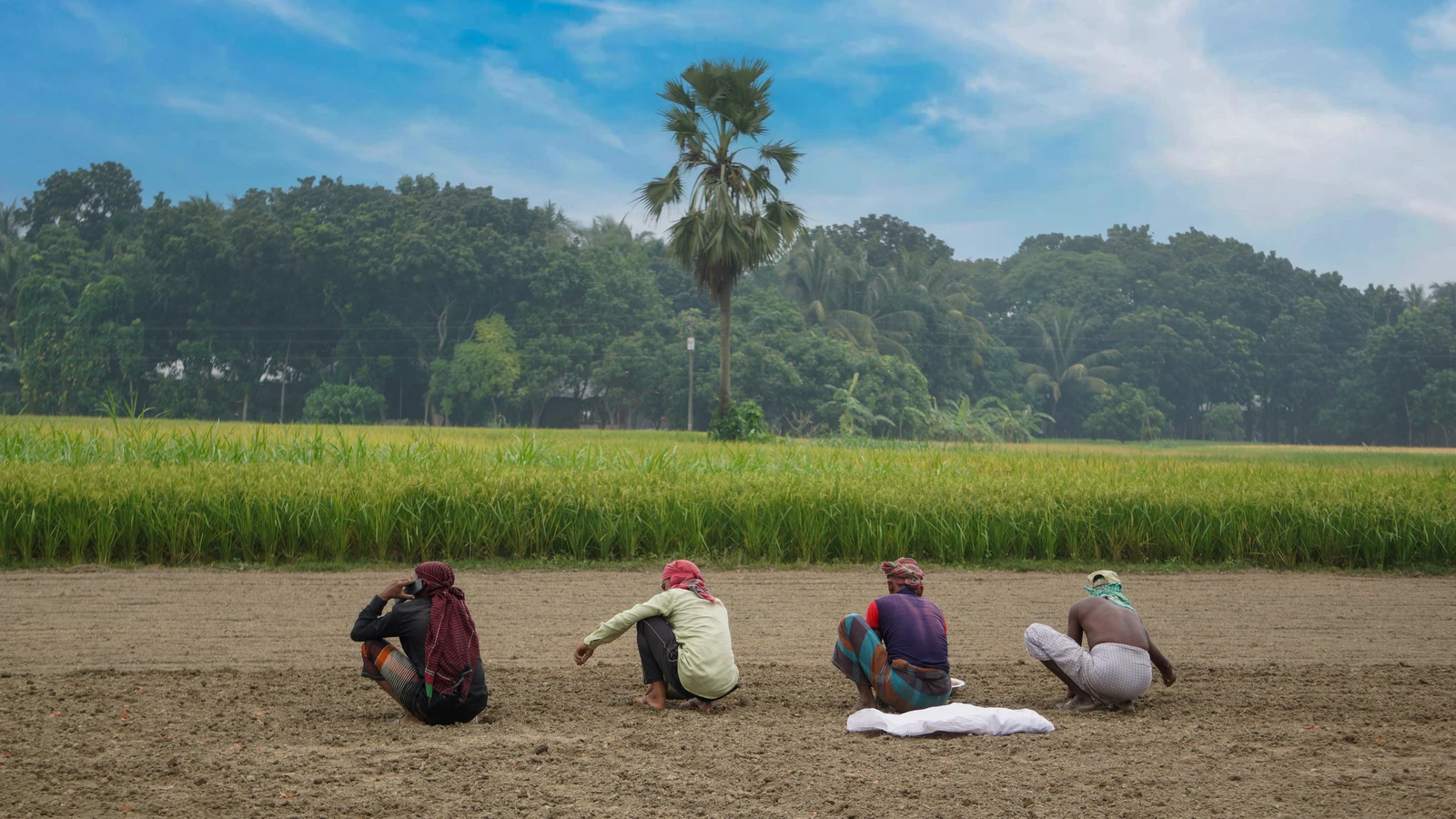
Mumbai, February 14 – Sustained fiscal commitment has driven rural transformation, with rural development budget allocations rising by over 211 per cent in a decade, reaching Rs 2.73 lakh crore in 2026-27, according to an official statement.
Poverty has declined significantly, with extreme poverty at 5.3 per cent in 2022-23, lower than the global average, and multidimensional poverty down to 11.28 per cent in 2023 from 55.3 per cent in 2005-06, the statement said.
Rural connectivity is near-universal, with Pradhan Mantri Gram Sadak Yojana allocations rising from Rs 12,581 crore in 2016-17 to Rs 19,000 crore in 2026-27, an increase of 51 per cent.
Housing-led security has expanded significantly, with 3.70 crore rural homes built over 11 years, and PMAY-G allocations increasing by 266 per cent from Rs 15,000 crore in 2016-17 to Rs 54,916.70 crore in 2026-27.
"An essential dimension of this transformation is the gradual shift away from a purely government-led model of development towards more community-driven, decentralized approaches. Local governments and grassroots institutions are increasingly recognised as critical actors in planning, implementation, and monitoring of development initiatives," it said.
Direct fiscal transfers to panchayats rose from around Rs 2.36 lakh crore under the 15th Finance Commission (2021-26) to nearly Rs 4.35 lakh crore under the 16th Finance Commission (2026-31), enhancing local financial autonomy.
The government highlighted women-led collectives as anchors of last-mile delivery, mobilising 10.05 crore women across 90.09 lakh self-help groups supported by 9 lakh community cadres.
Between FY22 and FY26 (budget estimate), social services expenditure (SSE) grew at a compound annual growth rate (CAGR) of 12 per cent, with education and health expenditures rising at 11 per cent and 8 per cent, respectively.
As of mid-January 2026, more than 99.6 per cent of eligible habitations had been connected under Pradhan Mantri Gram Sadak Yojana (PMGSY-I).
Access to improved drinking water, household electrification, and rural sanitation rose from 22 per cent in 2016 to 64.3 per cent in 2025. The Jal Jeevan Mission expanded tap-water access from 3.23 crore households in 2019 to about 15.74 crore by November 2025, the statement noted.
Disclaimer: Due care and diligence have been taken in compiling and presenting news and market-related content. However, errors or omissions may arise despite such efforts.
The information provided is for general informational purposes only and does not constitute investment advice, a recommendation, or an offer to buy or sell any securities. Readers are advised to rely on their own assessment and judgment and consult appropriate financial advisers, if required, before taking any investment-related decisions.
Last edited by a moderator: