
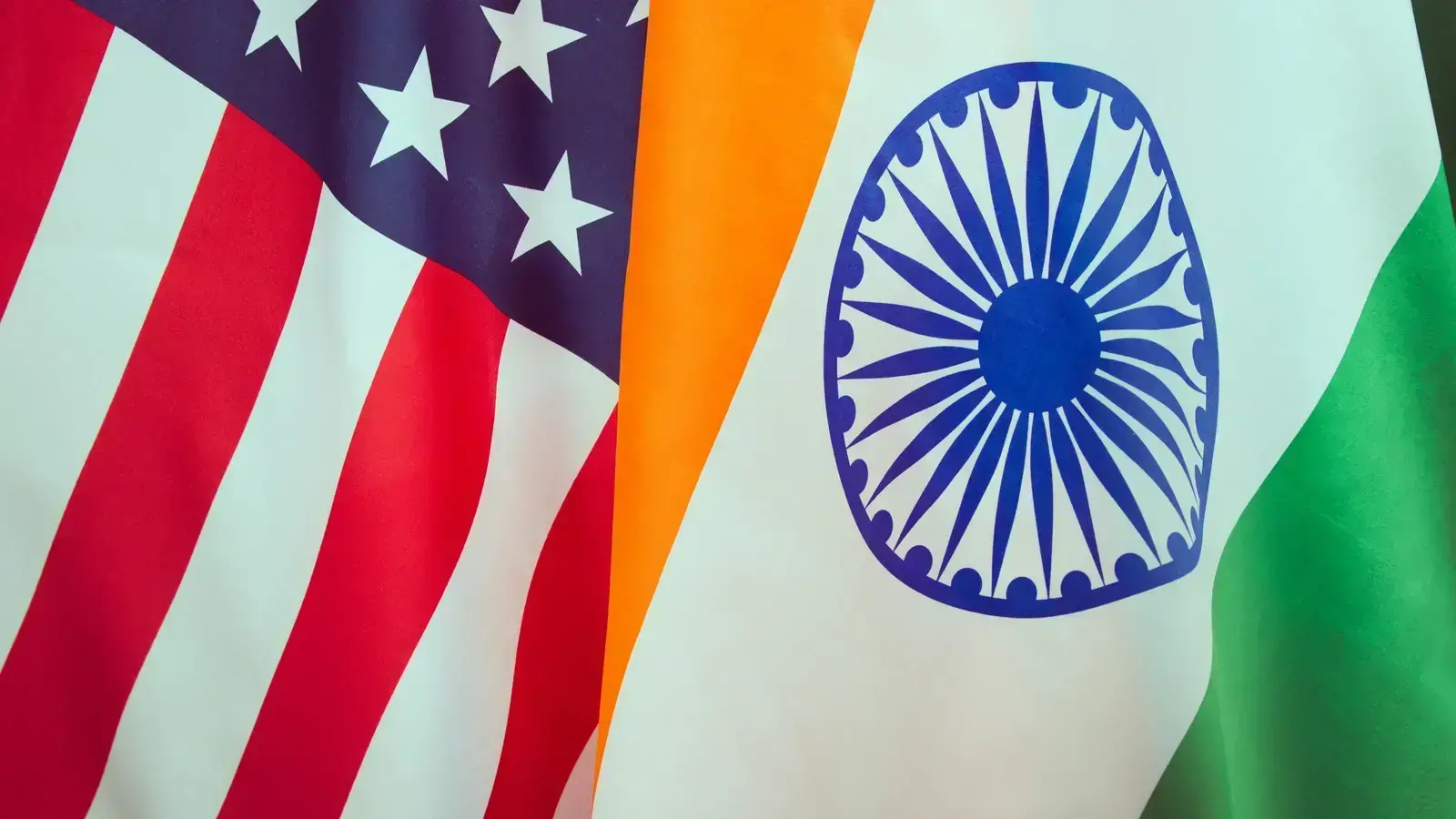
Major Export Opportunity for MSMEs, Farmers and Fishermen
India’s proposed trade pact with the United States is set to unlock access to a USD 30 trillion market for Indian exporters, with significant benefits expected for MSMEs, farmers and fishermen. Commerce and Industry Minister Piyush Goyal said the agreement would also generate lakhs of new employment opportunities, particularly for women and youth across the country.Interim Agreement Framework Finalised
According to the minister, India has reached a framework for an Interim Agreement with the United States under the leadership of Narendra Modi. The framework is expected to significantly expand India’s export footprint in the world’s largest economy.Tariff Cuts to Boost Key Export Sectors
As part of the agreement, the United States will reduce reciprocal tariffs on Indian goods to 18 percent. This move is expected to create strong market opportunities for Indian exporters in sectors such as textiles and apparel, leather and footwear, plastic and rubber products, organic chemicals, home decor, artisanal goods and select machinery.In addition, import duties will be reduced to zero on a wide range of products, including generic pharmaceuticals, gems and diamonds, and aircraft parts. These measures are aimed at improving India’s export competitiveness while strengthening the Make in India initiative.
Sector-Specific Gains for Pharmaceuticals and Aviation
India will also receive exemptions on aircraft parts, tariff rate quotas on auto components and negotiated outcomes for generic pharmaceuticals. These provisions are expected to translate into tangible export gains for manufacturers operating in these segments.Protection for Agriculture and Dairy Sectors
The minister highlighted that the agreement maintains India’s commitment to protecting domestic farmers and rural livelihoods. Sensitive agricultural and dairy products have been fully safeguarded, including maize, wheat, rice, soya, poultry, milk, cheese, ethanol fuel, tobacco, certain vegetables and meat products.This balanced approach aims to expand export opportunities while ensuring that key domestic sectors remain protected.
Disclaimer: Due care and diligence have been taken in compiling and presenting news and market-related content. However, errors or omissions may arise despite such efforts.
The information provided is for general informational purposes only and does not constitute investment advice, a recommendation, or an offer to buy or sell any securities. Readers are advised to rely on their own assessment and judgment and consult appropriate financial advisers, if required, before taking any investment-related decisions.